
Contents Catalog
What is the rCB production line?
The RCB (Recovered Carbon Black) production line, also known as the recycled carbon black production line, is an environmentally friendly resource utilization system that converts rubber waste, such as used tires into high-value recycled carbon black through pyrolysis and deep processing. The core is to achieve the recycling from “black pollution” to “black gold”.
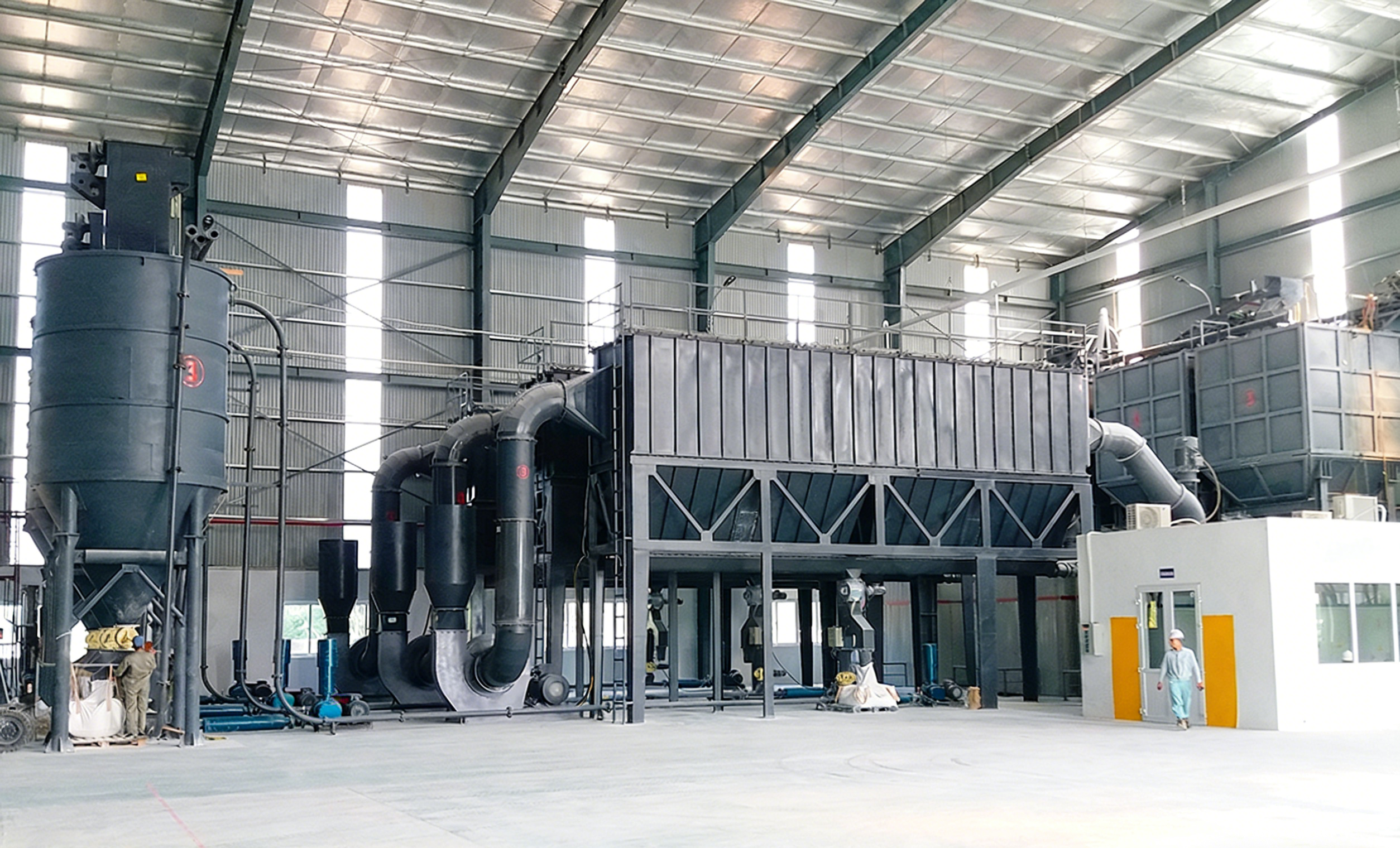
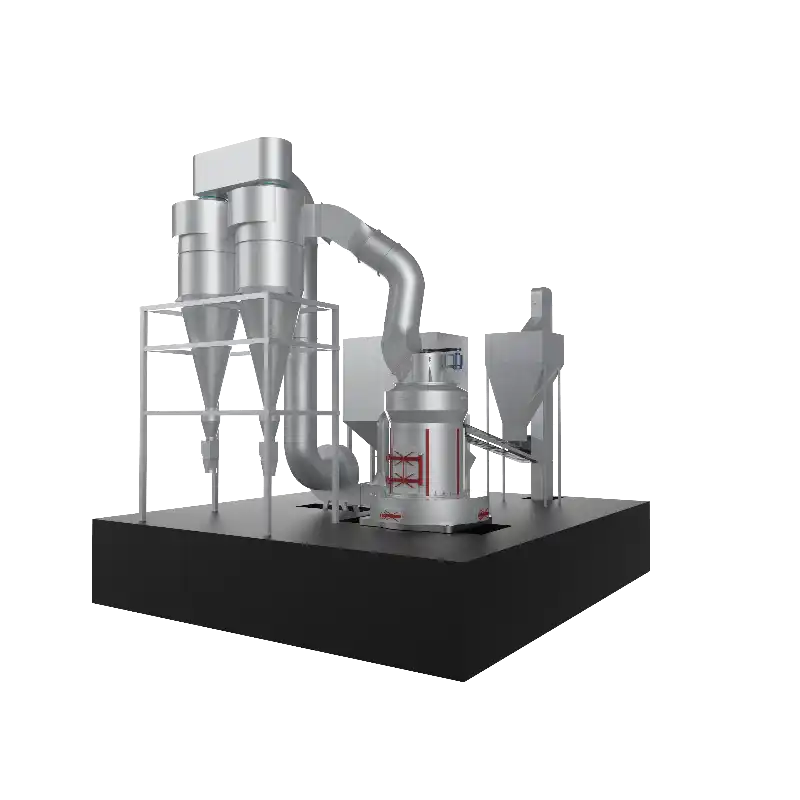
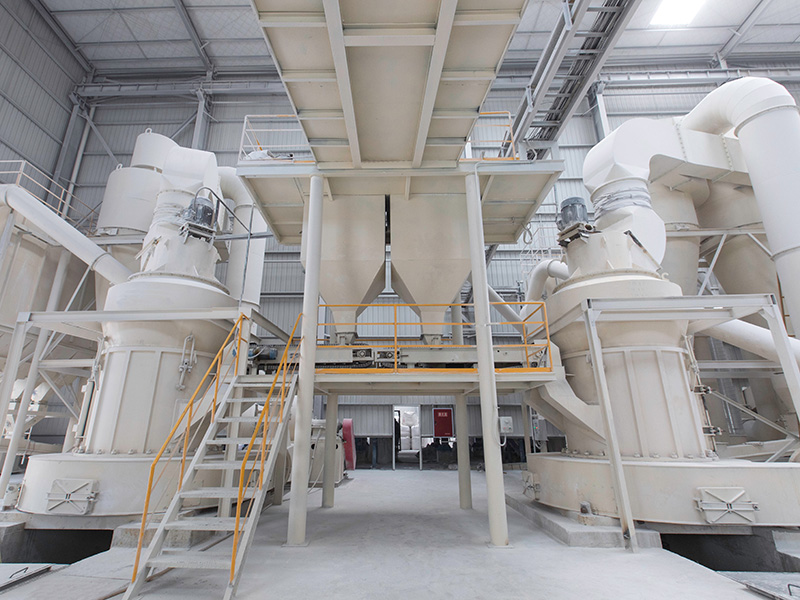
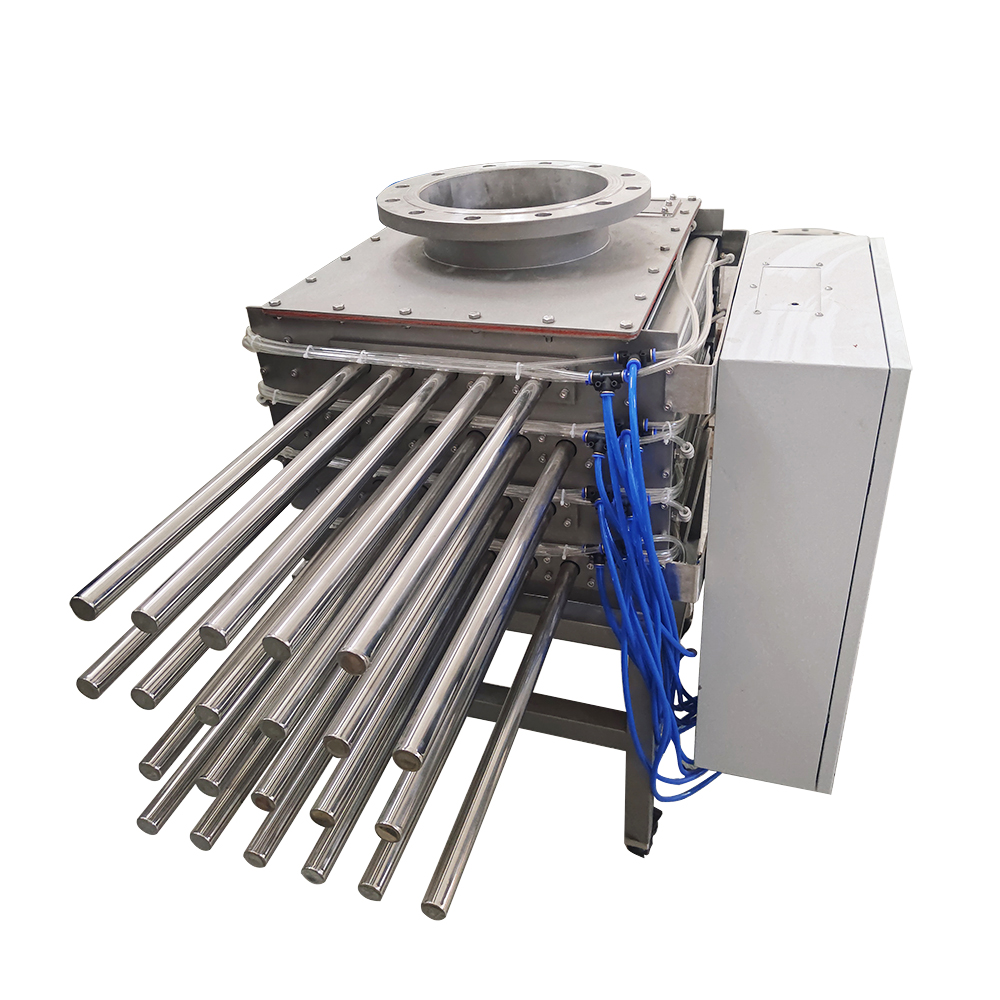
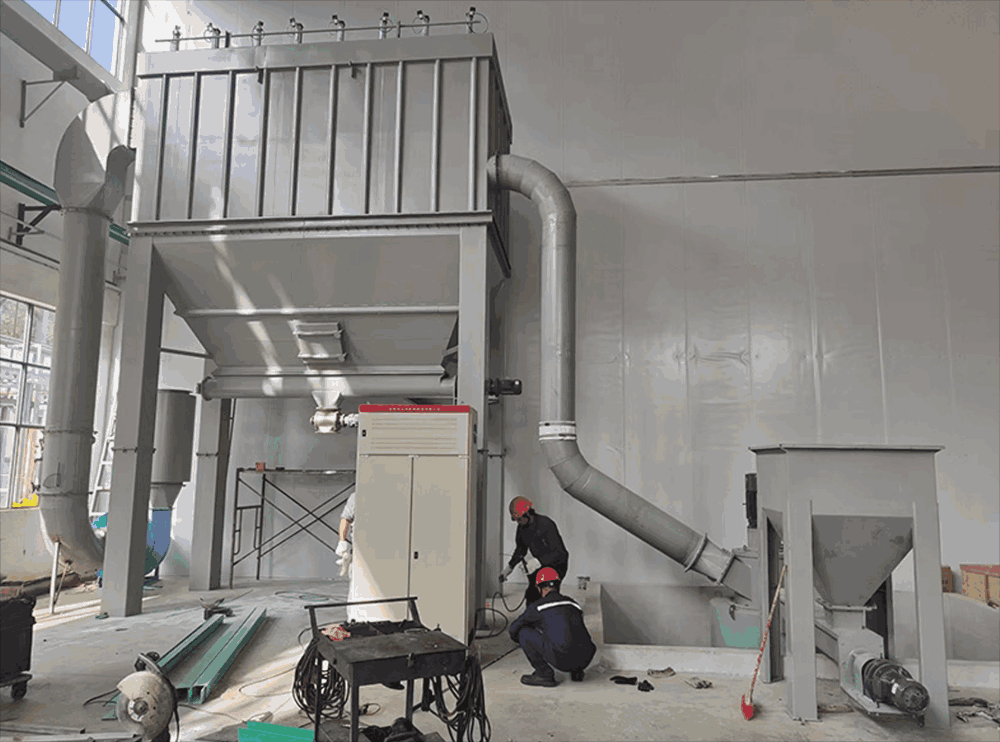
Cronus offers a complete rCB production line, which includes: ultra-fine carbon black grinding machine system, dust collector system, packaging and stacking system, and iron removal system. The packaging machine is equipped with a vacuum-sealing package system.
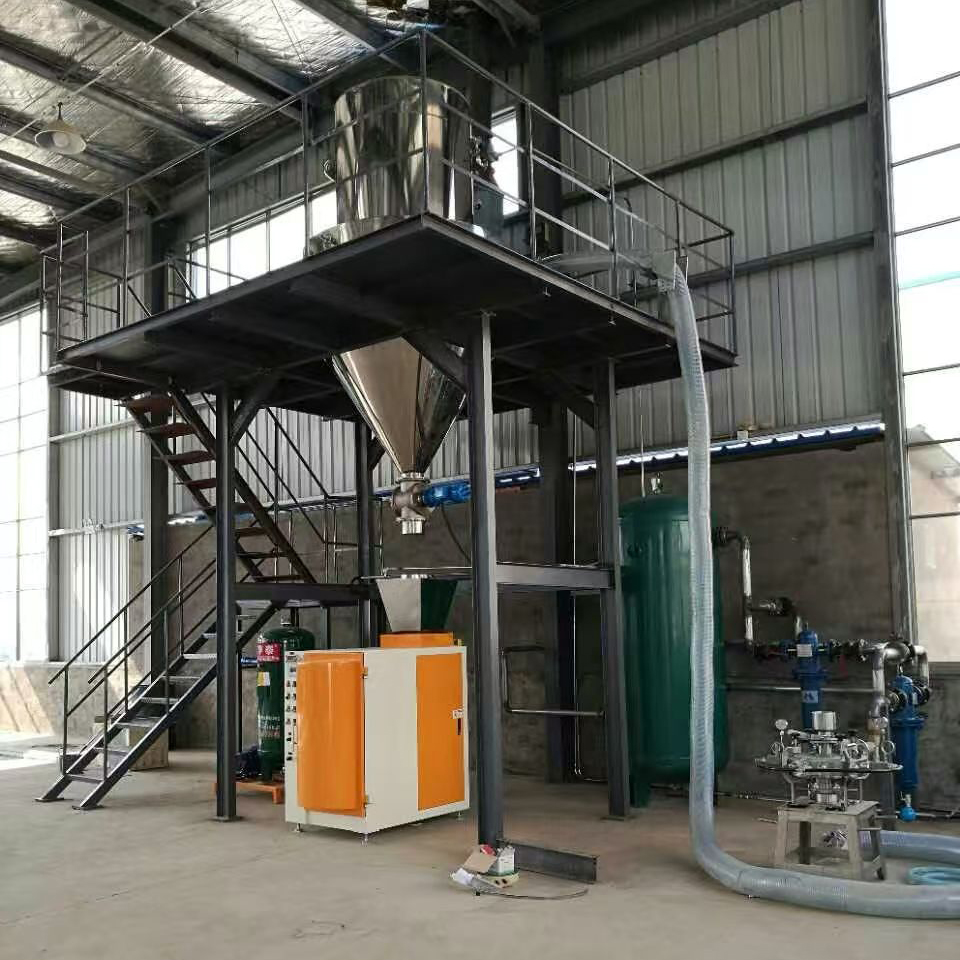
The equipment used by this customer for grinding carbon black into powder is the CRGM80 ultra-fine grinding machine from Cronus.
Performance parameters of the CRGM80 carbon black ultra-fine grinding machine
| Processing Capacity | 2-4 tons/hour |
| Power Consumption | 143kw |
| Main Unit Power | 75kw |
| Input Size | <20mm pyrolyzed carbon |
| Output Fineness | 325-2500 mesh (D97≤5μm) |
| Energy consumption for producing one ton | 25-30 kw |
Item advantage of the rCB production line
System Highlights
Closed-loop design with nitrogen protection system
Multi-stage precision classification system
Real-time particle size monitoring (Laser PSA)
Dust emission ≤10mg/Nm³
Performance Data
Annual Capacity: 42,000 metric tons
Specific Energy Consumption: 25-30kWh/ton
Product Consistency: D50=2.8μm ±0.3μm
System Availability: 96.5%
Return on Investment Analysis for the rCB Production Line
rCB Production Line – Core Analysis
Return on Investment Analysis
- Investment scale: Around 50–80 million RMB for a 20,000 TPY rCB production line.
- Payback period: 3–5 years, subject to raw material costs and product market prices.
- Profit structure:
- rCB (50–60% of total revenue)
- Pyrolysis oil (20–30% of total revenue)
- Steel wire (10–15% of total revenue)
- Policy subsidies
Market Prospects
- Global rCB capacity is expected to reach 8 million tons by 2025, growing at 15–20% annually.
- The EU mandates that tires contain 10% rCB by 2030. China, the U.S., and other major markets are developing similar standards.
- rCB applications now extend beyond rubber products to plastics, construction materials, coatings, and more, with continuous market expansion.

Production Principle
Cronus’s ultra-fine grinding machine equipment perfectly meets our production requirements. Both in terms of product fineness and output, it performs extremely well. It is approximately 28% more energy-efficient than other grinding machines. In the future, when we expand our production capacity, we will still prefer to collaborate with Cronus.