
Contents Catalog
Industry Applications
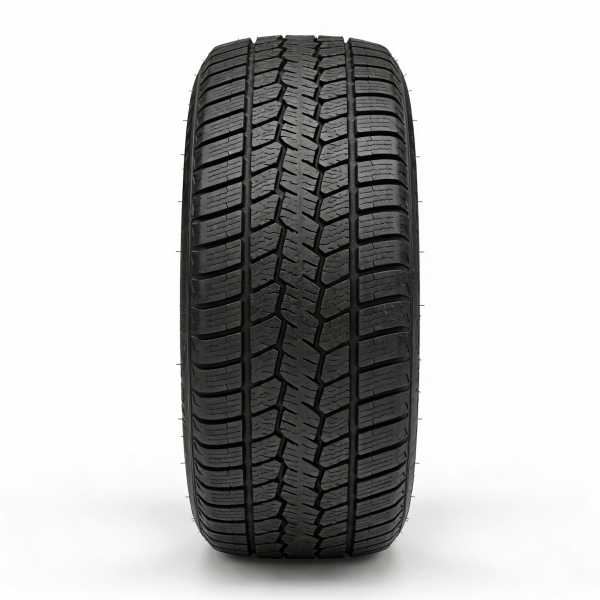
Carbon black is primarily utilized as a rubber reinforcing agent in the manufacturing of automotive tires. It also serves as a pigment (for inks, plastics, and coatings), a conductive agent in dry-cell batteries, a catalyst carrier, and a component in ultra-hard alloy materials. Globally, approximately 70% of carbon black is consumed in tire manufacturing, 20% in other rubber products, and the remaining less than 10% in industries such as plastic additives, dyes, and printing inks.
Production Process
Raw Material Input: Whole waste tires (or tire shreds) are fed into a thermal pyrolysis furnace. Fuel is combusted within the combustion chamber to initiate the pyrolysis reaction inside the furnace.
First Product (Pyrolysis Gas/Oil Vapor): The pyrolysis process generates a mixture of oil vapor and gas. This mixture is channeled through piping into an oil condenser, where it is cooled and liquefied into finished oil, which is then collected in storage tanks. A small portion of the gas/vapor mixture is vented into the atmosphere.
Second Product (Pyrolysis Carbon Black): The pyrolysis process also yields carbon black mixed with a small amount of impurities. Water is sprayed onto the material to quench and cool it.
Steel Wire Removal: The majority of the steel wires are removed through either manual sorting or magnetic separation.
Washing and Separation: Leveraging the hydrophobic nature of carbon black, a water-washing separation process is employed to remove ash content and any remaining fine steel wire fragments, thereby enhancing the purity of the carbon black.
Drying: The material is dried to remove residual moisture and oil traces.
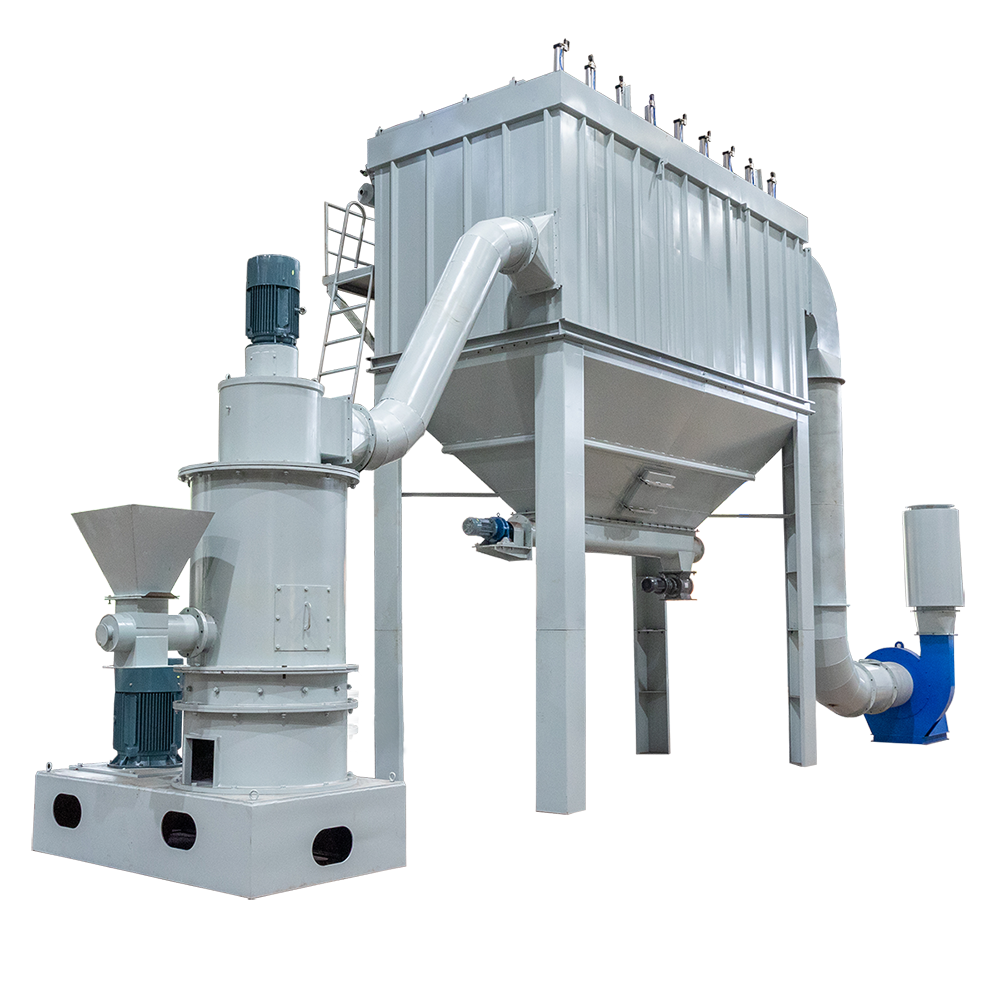
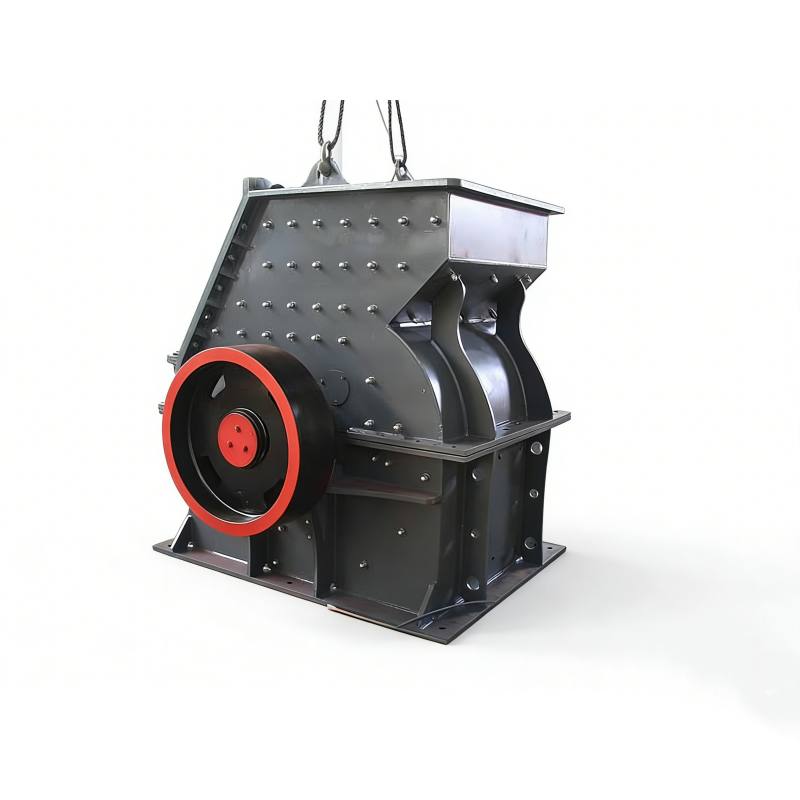
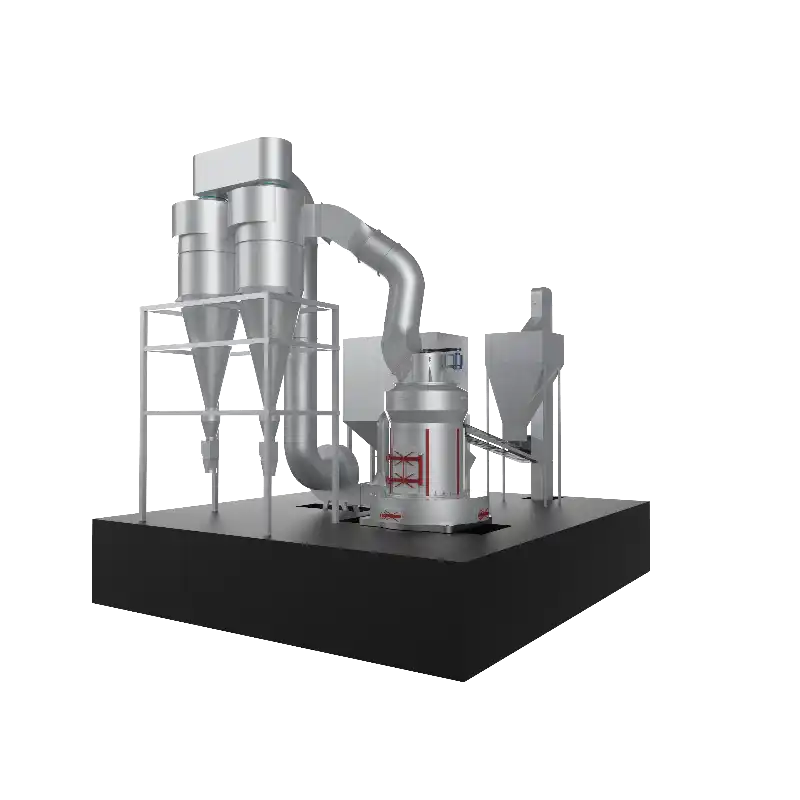
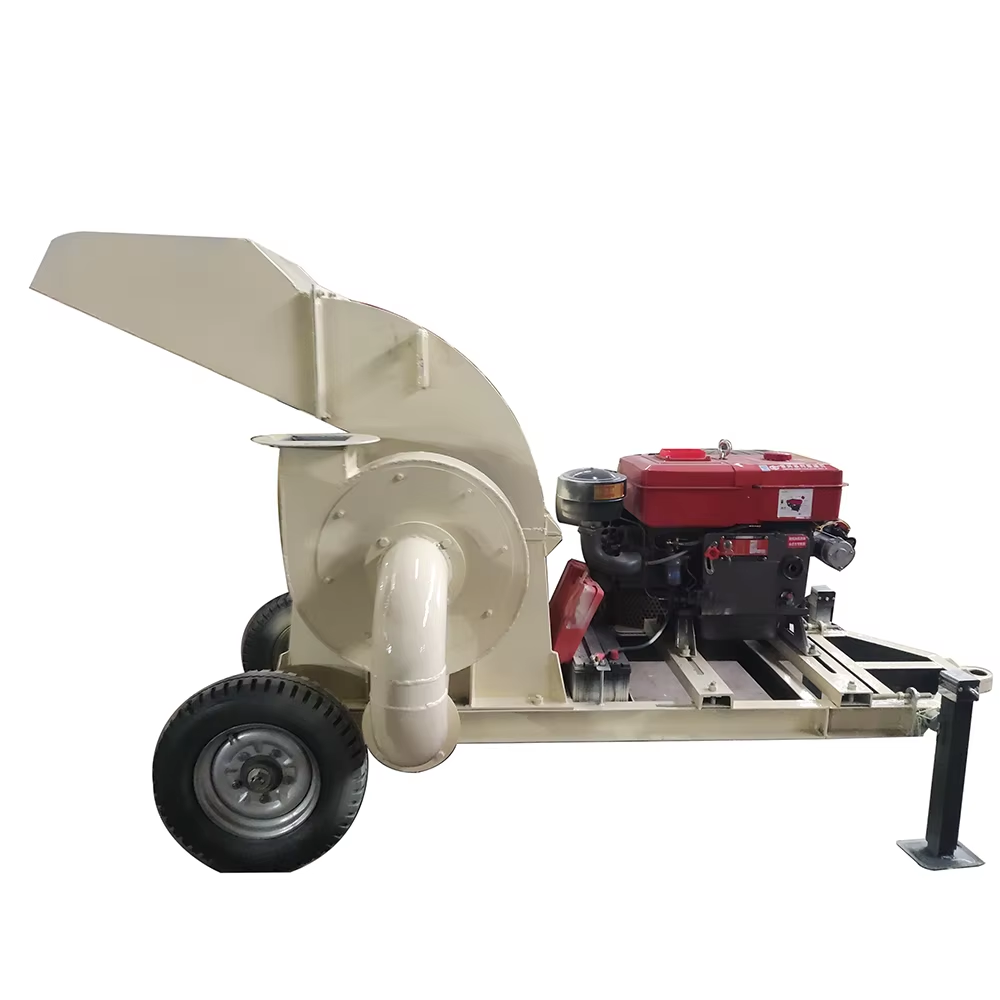
Grinding: The material is fed into a pulverizer for grinding, followed by dust collection. Depending on the required fineness of the finished product, either a roller mill or a micro-powder mill is utilized.
Finishing: The product is either granulated or packaged directly.
Features of Shanghai Cronus Modified Carbon Black Grinding Line
Due to the intensely black color and high potential for contamination associated with carbon black, it is imperative to equip the production line with a pulse-jet dust collector. Furthermore, given the low bulk density of carbon black—particularly the difficulty in collecting fine carbon black powder—special considerations are required to prevent material loss and ensure efficient output. Specific points to note include:
Dust Collector Recommendation: It is recommended to utilize an offline pulse-jet dust collector system.
Airflow Velocity: The airflow velocity within the system should be reduced.
Filter Bag Material: The filter bags should be constructed from laminated needle-punched felt. This material is highly suitable for lightweight substances, as it prevents the material from adhering to the bag’s surface, thereby facilitating easy release and drop-down. Client Feedback
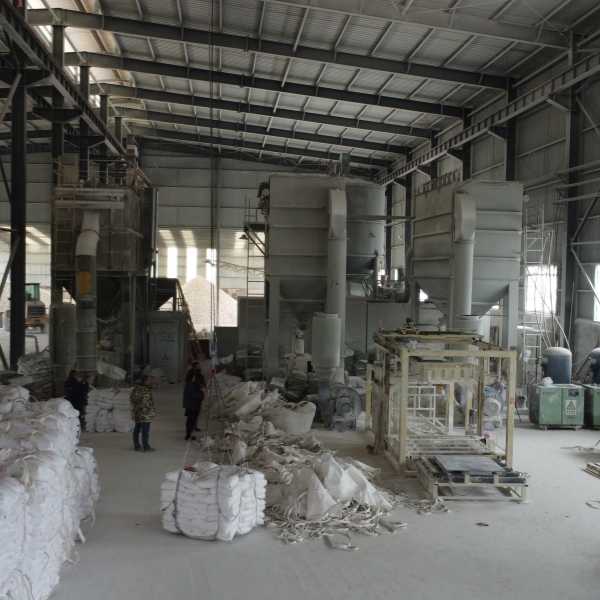
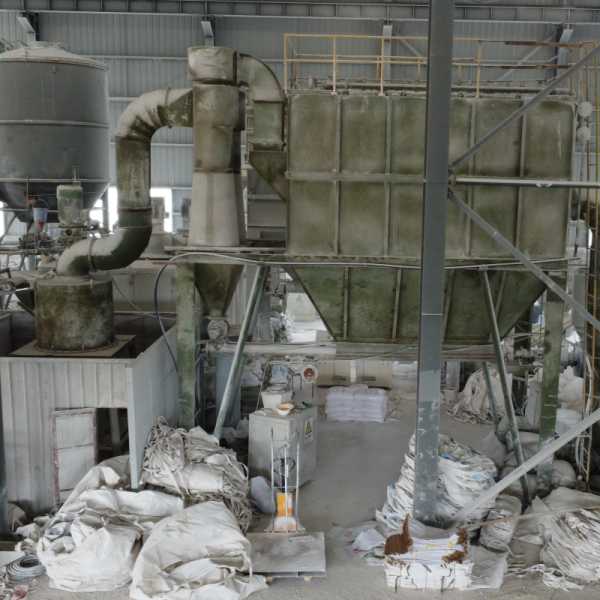
Following the purchase of our carbon black production line, a client in Brazil reported that they are successfully producing carbon black powder with a fineness of 500–1000 mesh for packaging and sale. The system is currently performing very well; more importantly, the production process strictly adheres to environmental protection regulations, with both on-site emissions and dust control meeting our anticipated standards. We are extremely satisfied with the overall operational experience and look forward to further cooperation with Cronus.
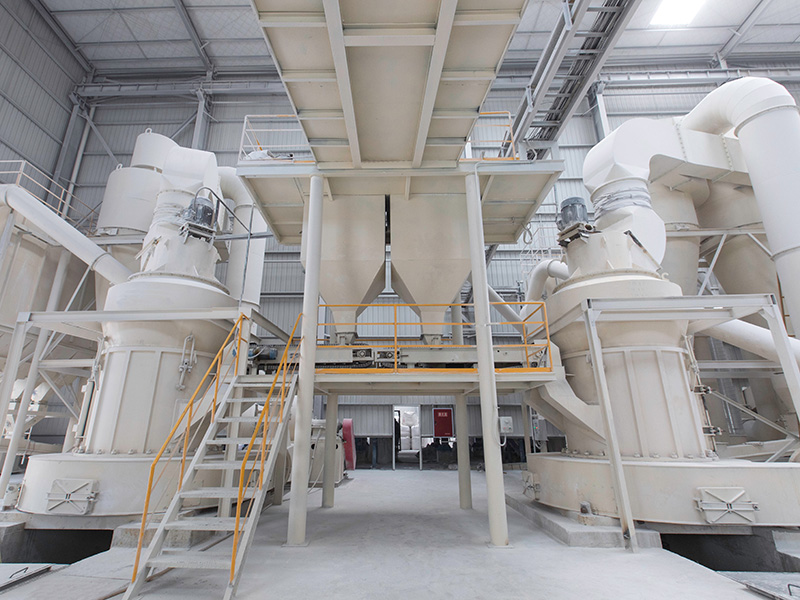
Customer’s Site
FAQ