

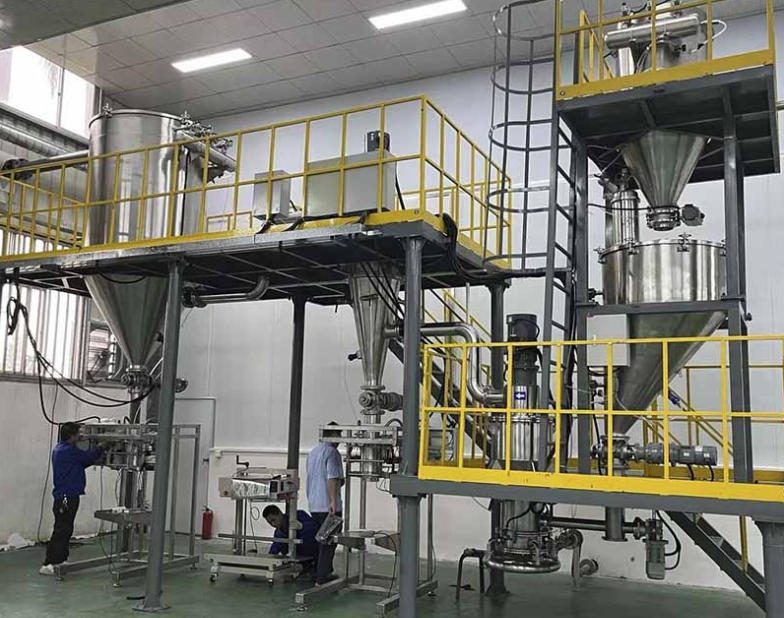
800 mesh corresponds to approximately 18 μm nominal particle size (US standard sieve), falling into the ultra-fine mineral powder category. It exceeds the maximum fineness limit of conventional Raymond mills (around 325 mesh), so dedicated ultra-fine grinding equipment is required. The optimal selection depends on material properties, required production capacity, fineness tolerance and total operating […]
2026-08-31
How to choose 325 mesh stone powder grinding mill?
Recently, we have received many inquiries from clients about how to select a grinding mill for 325-mesh stone powder. 325 mesh is a rather tricky fineness grade: it marks the upper fineness limit of a Raymond mill and the lower fineness limit of an ultrafine grinding mill. Choosing a Raymond mill means the equipment will […]
2026-07-15
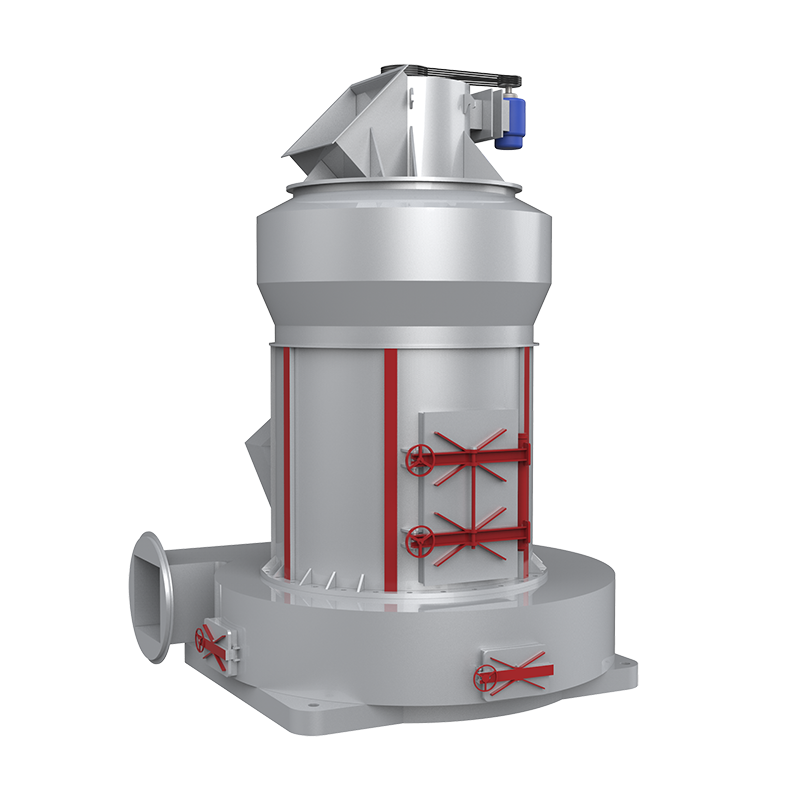
How to Process Pyrophyllite Powder with a Raymond Mill?
Pyrophyllite is a natural layered silicate mineral valued across modern industrial sectors for its unique combination of physical and chemical properties. High fire resistance, stable chemical inertness, moderate hardness, and excellent plasticity make processed pyrophyllite powder a staple raw material in ceramics, refractory materials, chemical production, papermaking, and coating manufacturing. To turn raw pyrophyllite ore […]
2026-05-13
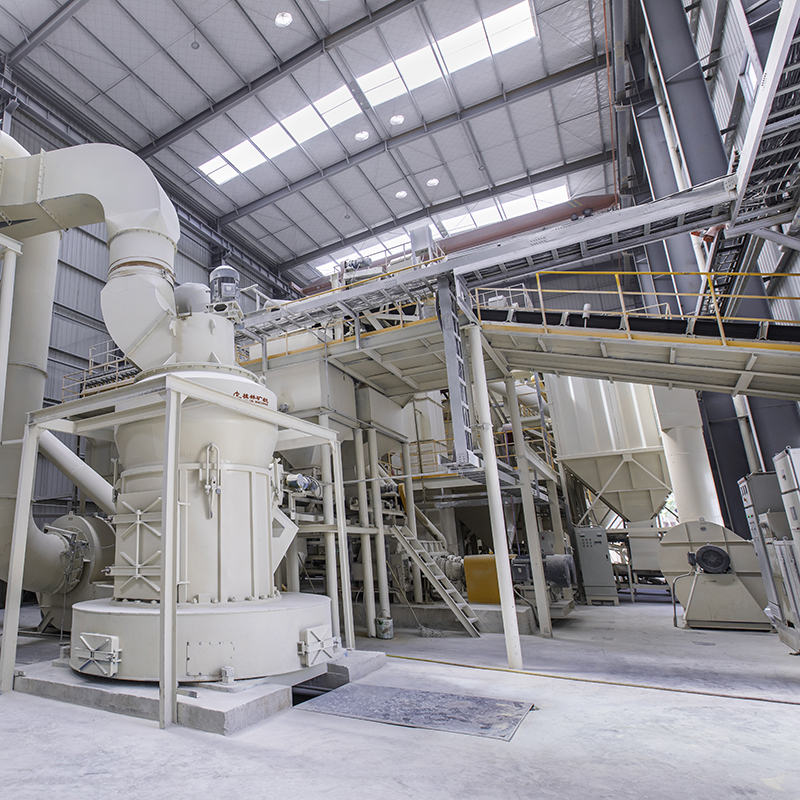
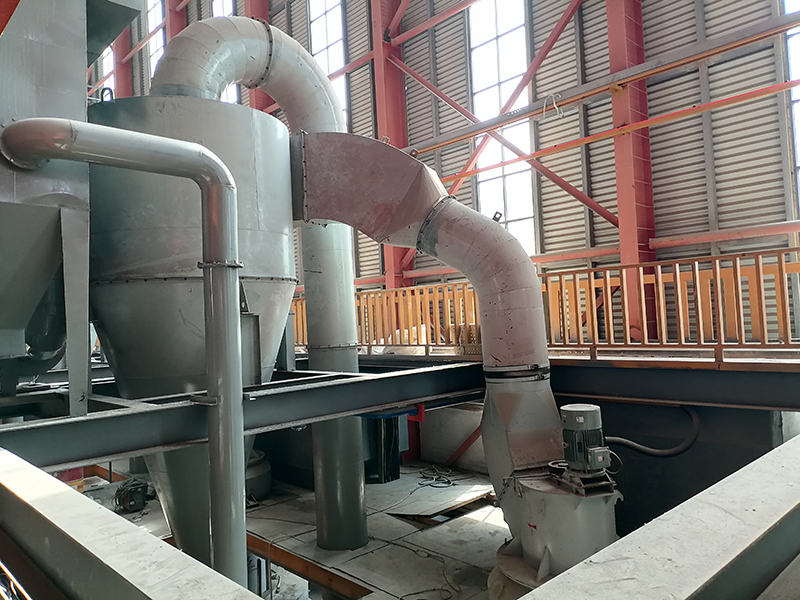
How to Choose the Right Bauxite Grinding Mill
Bauxite is the core raw material for producing alumina, refractory materials, high-alumina cement and other products. Unlike aluminum ash processing, which focuses on recovery and purification, bauxite processing has a clear goal: grinding natural ores of varying hardness into fine powder ranging from 200 mesh to 2500 mesh to meet the particle size requirements of […]
2026-05-08
Mining waste rock Leveraging Solutions
What is Mining Waste Rock? Regardless of the type of raw material involved, its extraction process invariably entails an environmental cost. Most mining activities leave behind a lasting and destructive environmental footprint. Take, for instance, the underground mining of common metals such as copper, lead, and zinc: the extraction process requires not only the removal […]
2026-04-24
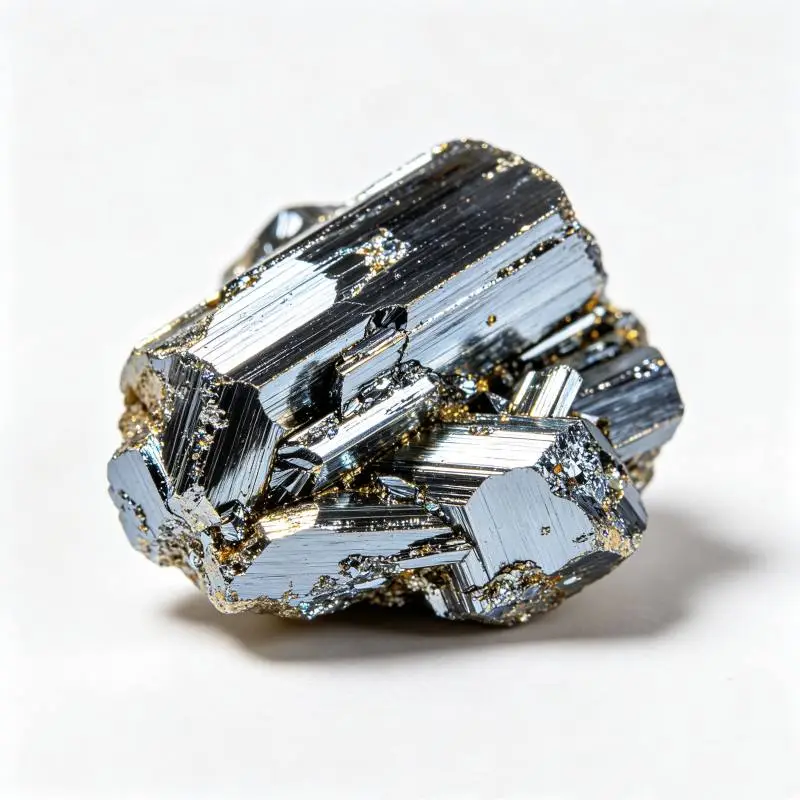
Applicable material of Vertical roller mill
The equipment is suitable for cement, metallurgy, the chemical industry, solid waste treatment, non-metal, non-ferrous metal, power plant coal grinding, and other industries. It is used for grinding cement raw materials, clinker (slag), coal, gypsum, pyrophyllite, calcite, quartz, zinc, tin, and other materials. Advantages of CRLM Vertical Roller Mill Low construction cost: compared with the […]
2026-04-10
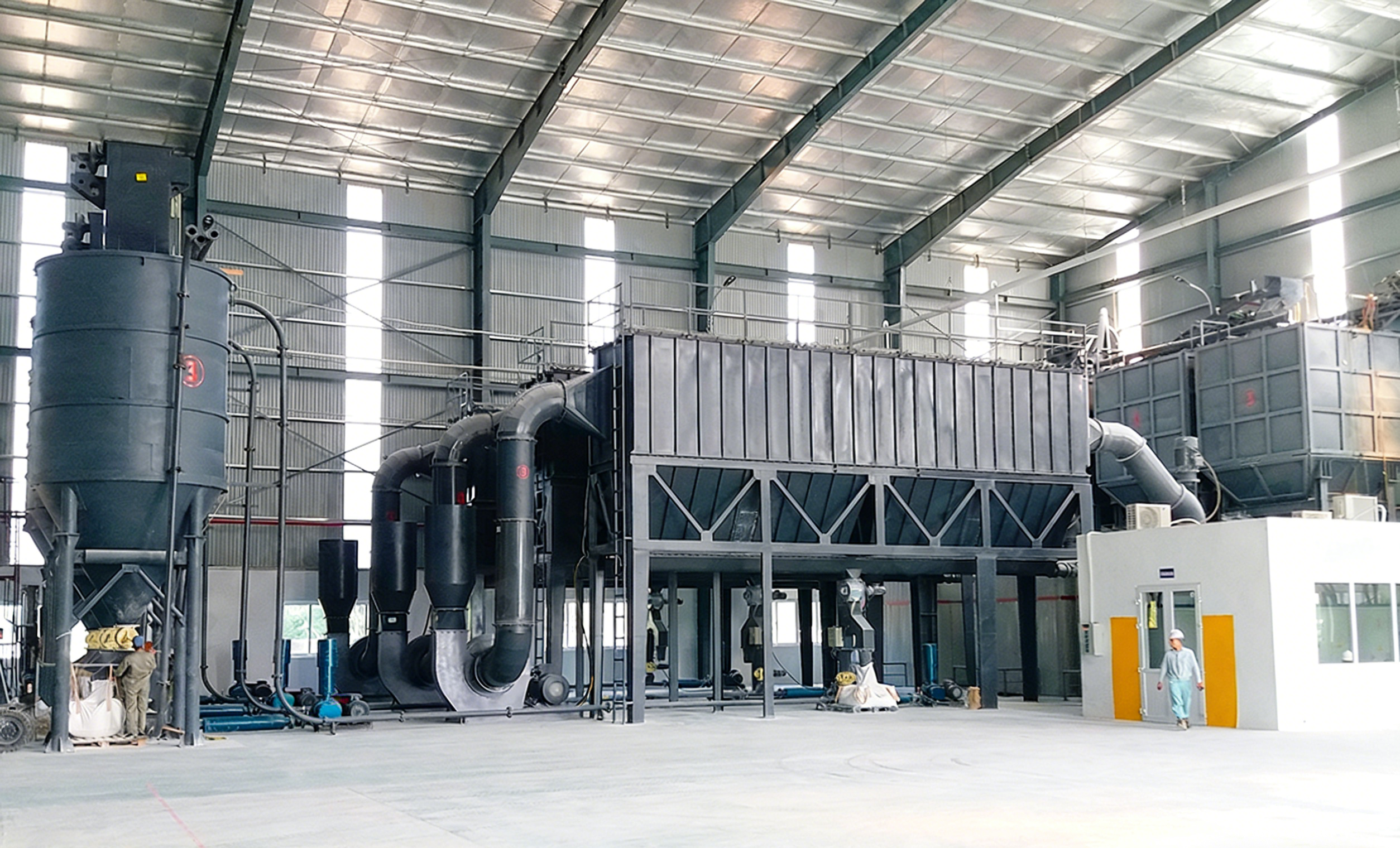
Easily Understand the Molybdenum Ore Processing
Introduction to Molybdenum Ore Molybdenum ore refers to mineral-bearing rock containing the element molybdenum. Common molybdenum minerals primarily include molybdenite, powellite, wulfenite, and molybdoscheelite. Among these, molybdenite and powellite serve as the principal ore minerals for molybdenum production. Molybdenum is a metallic element characterized by a high melting point, high strength, and excellent corrosion resistance; […]
2026-03-13
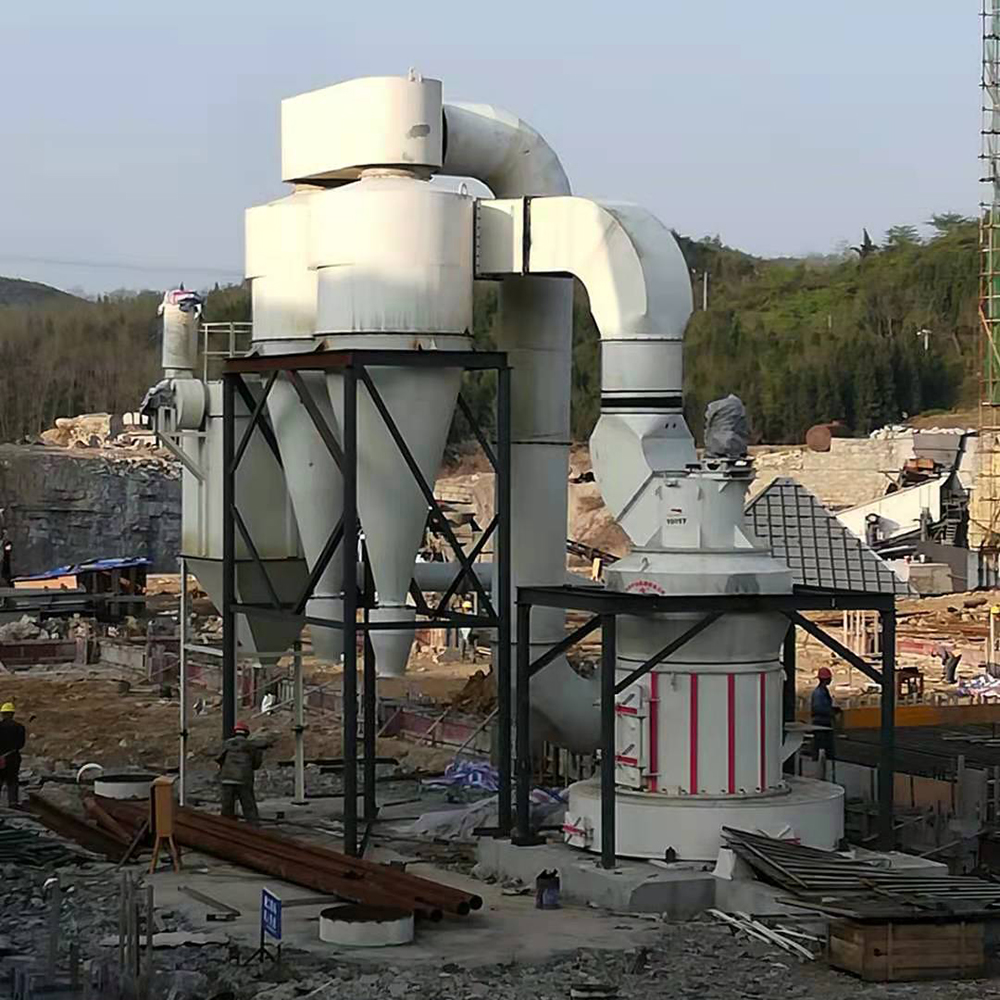
RCB grinding mill for rCB production line in India
What is the rCB production line? The RCB (Recovered Carbon Black) production line, also known as the recycled carbon black production line, is an environmentally friendly resource utilization system that converts rubber waste, such as used tires into high-value recycled carbon black through pyrolysis and deep processing. The core is to achieve the recycling from […]
2026-03-06
In industries such as mining, building materials, and chemicals, choosing the right grinding equipment is crucial for improving production efficiency and reducing energy consumption. Ball mills and Raymond mills, as two mainstream industrial grinding equipment, are often compared. Although both can process materials into fine powders, their performance and application scenarios differ significantly. This article […]