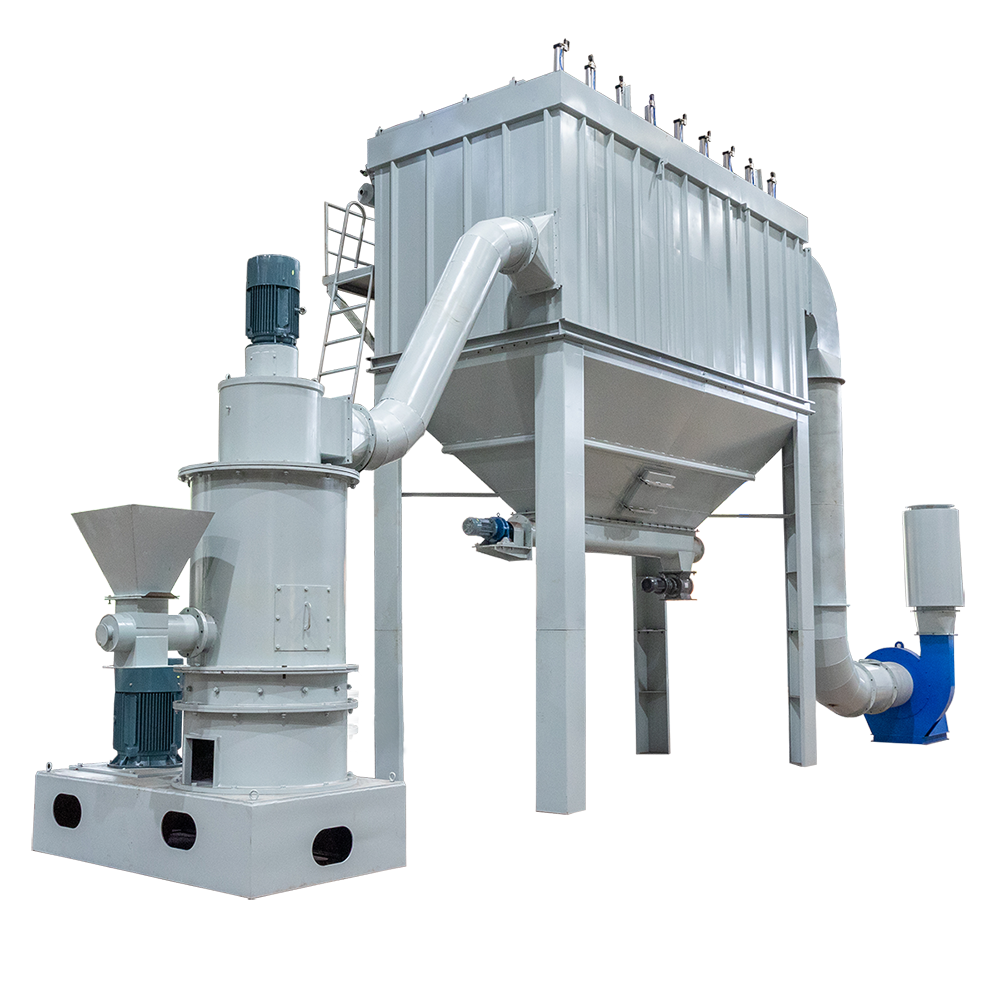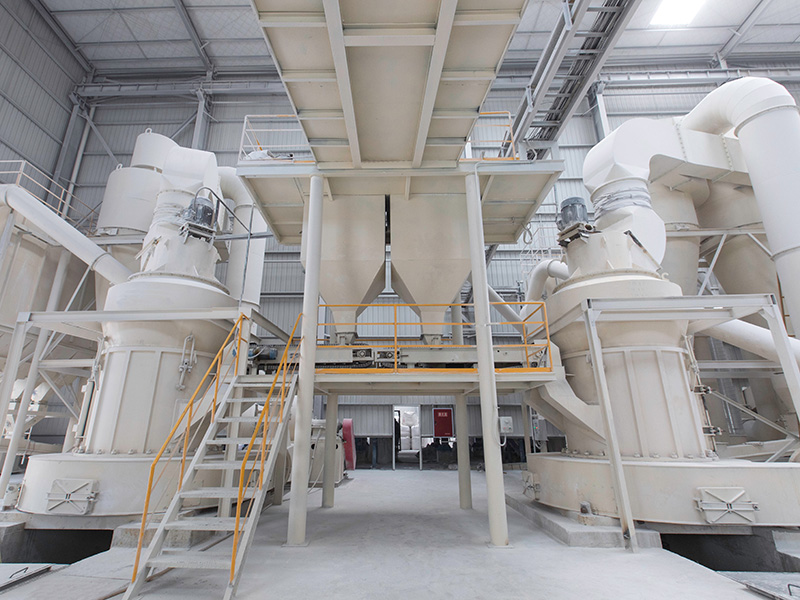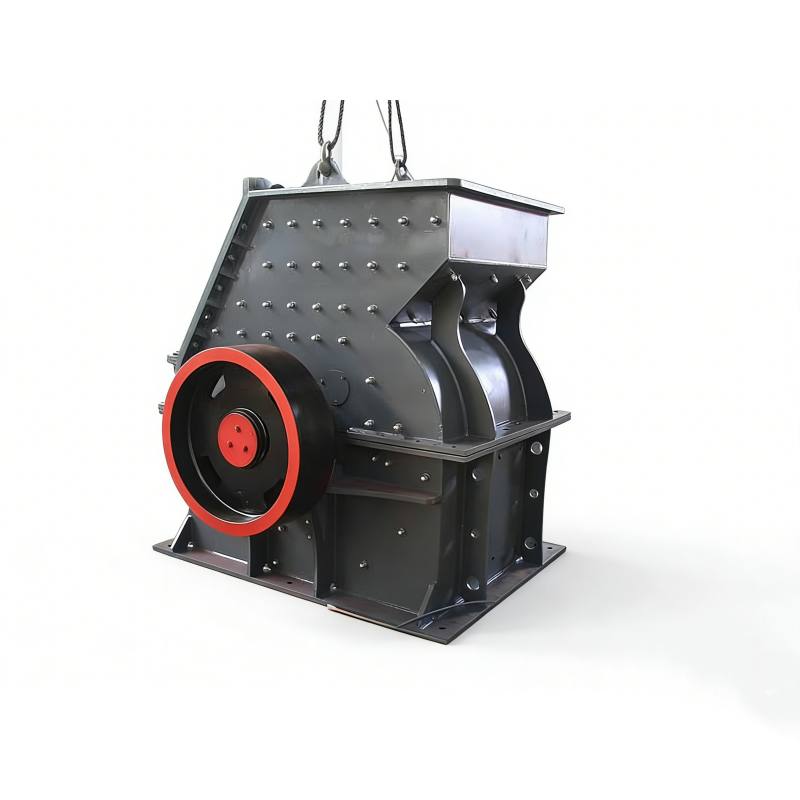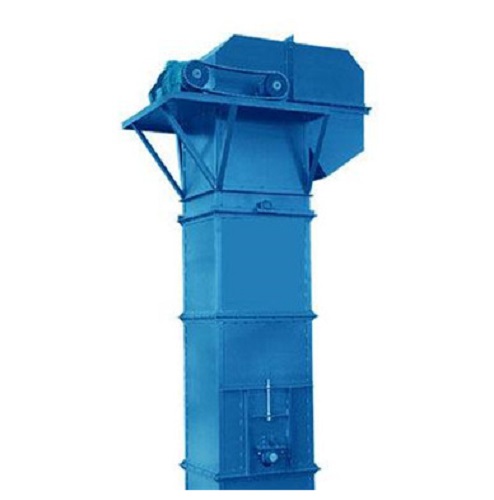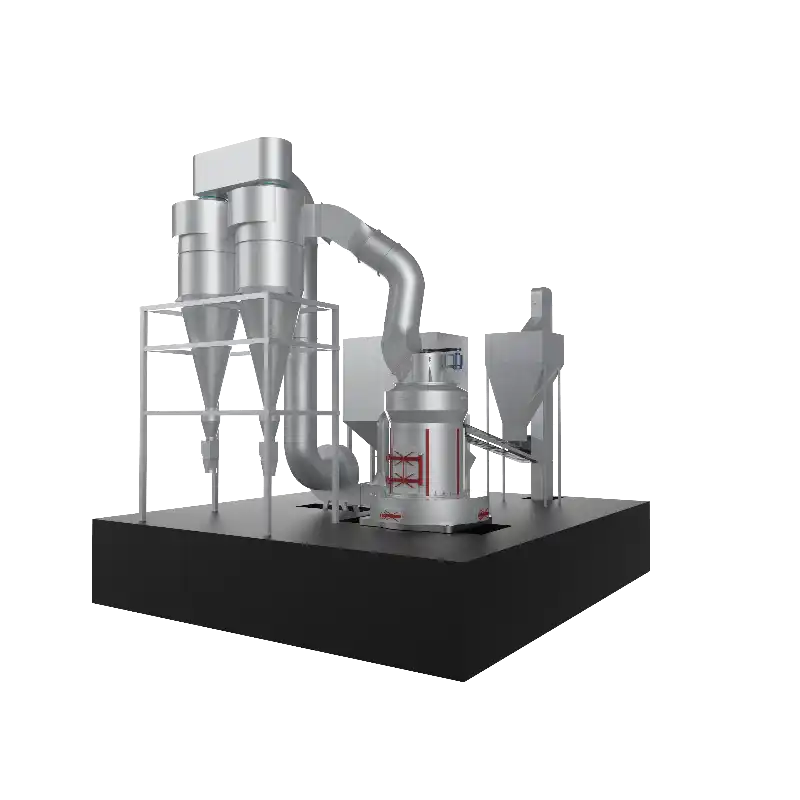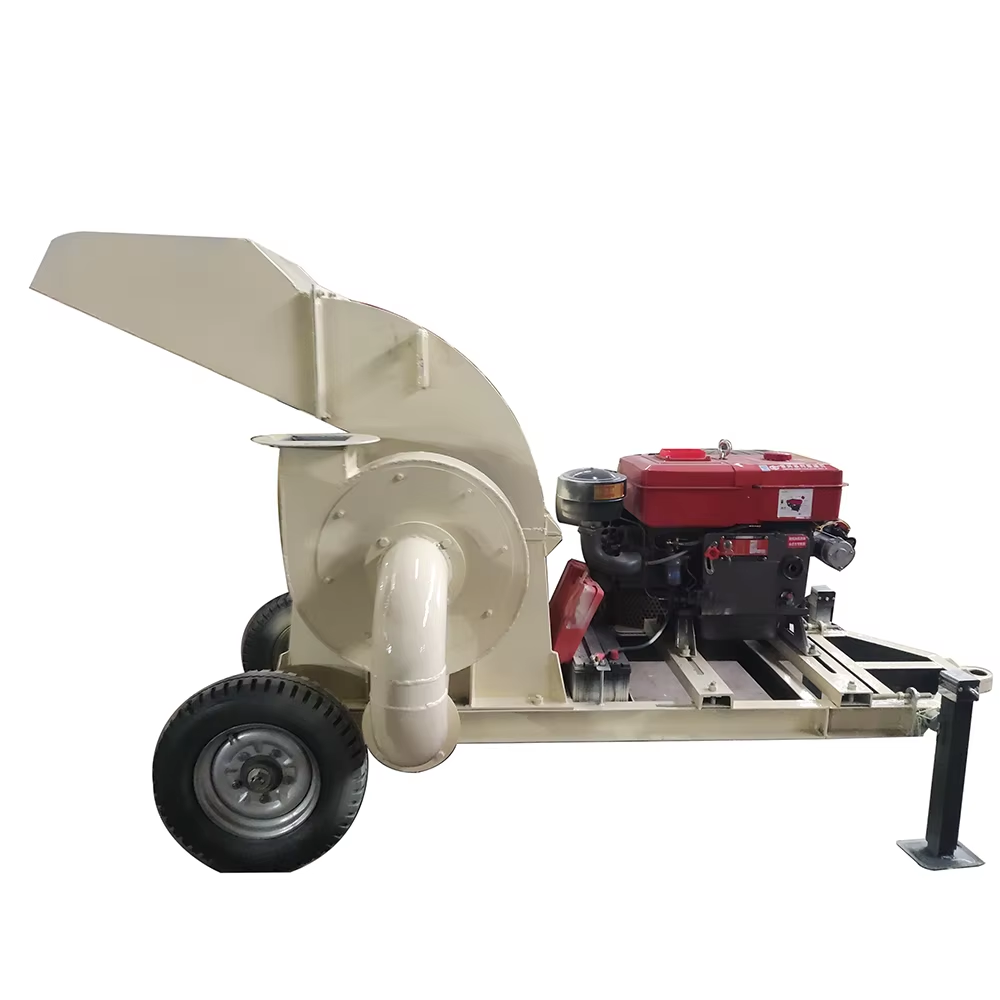

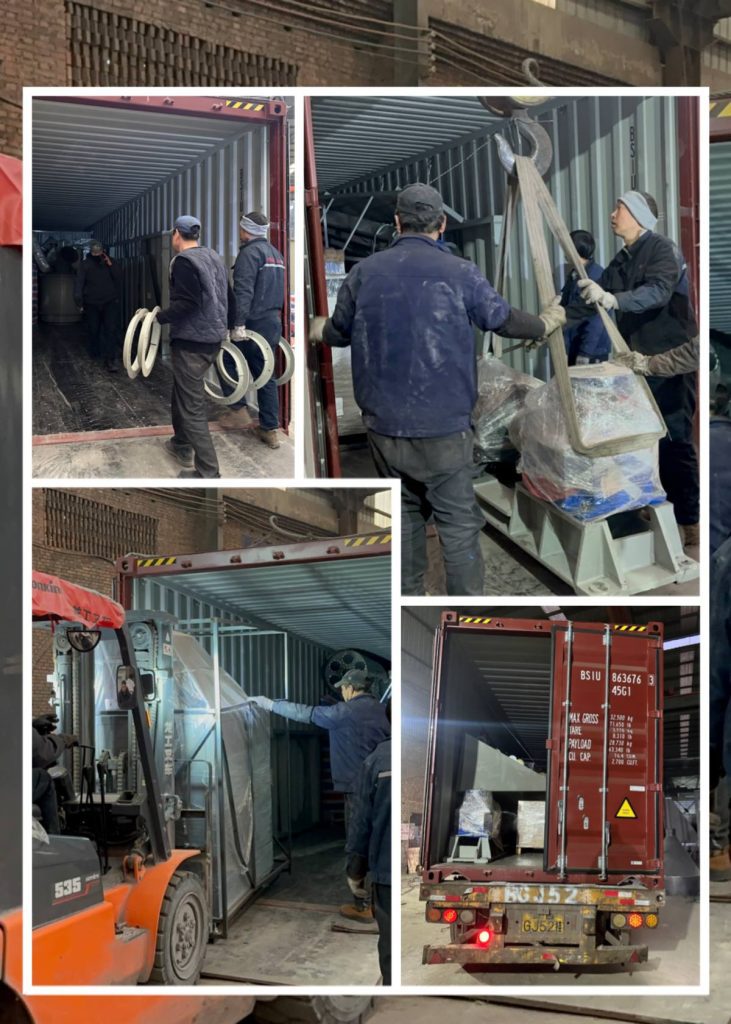
Cronus Raymond grinding equipment has been successfully dispatched to India for delivery. It will be used in conjunction with the local tire pyrolysis carbon black (Recovered Carbon Black, RCB) deep processing project. This equipment export is not only an important milestone for our company’s expansion in the South Asian market, but also, by means of customized technical solutions, it precisely responds to the upgrading demands of the Indian waste tire recycling industry, injecting core impetus into the local circular economy development.
Waste tires are organic polymer materials that are difficult to degrade naturally, featuring heat resistance, mechanical damage resistance, and biodegradation resistance. Known as “black pollution”, improper disposal can trigger multiple hazards: first, occupying a large amount of land resources, with open-air stacking causing land waste; second, being flammable and prone to causing fires, which release toxic and harmful gases to pollute the environment after combustion; third, easily breeding mosquitoes and serving as a transmission vector for infectious diseases such as dengue fever; fourth, carrying a wide range and high dosage of bacteria and toxins, which cannot be fully quarantined, inspected and disinfected, and long-term accumulation will cause persistent harm to soil and water bodies.
The consumption and wear of automobile tires also generate a large amount of waste — waste tires. The definition of waste tires includes not only those old tires removed from motor vehicles that have lost their service value, but also non-conforming tires discarded directly during factory production.
Waste tires are a major category of industrial waste. Endowed with strong heat resistance, mechanical damage resistance and biodegradation resistance, they are organic polymer materials that are difficult to biodegrade naturally, and are thus referred to as “black pollution”. Failure to dispose of them in a timely manner will bring multiple hazards:
- Occupying land resources: Massive waste tires piled up in the open for a long time take up a large area of land, resulting in a waste of land resources.
- Causing fires easily: Piles of waste tires are highly flammable, which may trigger fires and pose severe threats to the environment.
- Spreading diseases: Waste tires become breeding grounds for mosquitoes and other pests, facilitating the transmission of diseases such as dengue fever.
- Polluting the environment: As organic substances that are hard to biodegrade, waste tires carry a large quantity of bacteria and toxins over a wide range. It is impossible to conduct comprehensive quarantine, testing, disinfection and sterilization on them, so their accumulation is bound to cause environmental harm.
There are various utilization methods for waste tires. After years of development, China’s waste tire recycling industry has formed four major sectors: used tire retreading, waste tire reclaimed rubber production, waste tire rubber powder manufacturing and waste tire pyrolysis.
In response to the market demand and working condition characteristics in India, our company has customized exclusive Raymond mill powder grinding equipment for customers. Optimized specifically for RCB processing scenarios, this equipment boasts multiple core advantages. In terms of processing efficiency, it adopts an upgraded grinding roller device and classification system, achieving a screening rate of up to 99%. It can precisely grind the carbon black raw material from tire pyrolysis into finished products with a fineness of 80-400 mesh, perfectly meeting the application requirements of different fields such as rubber reinforcement, ink and coating production. In terms of environmental compliance, the equipment features a fully sealed negative pressure operation design paired with a high-efficiency pulse dust removal system. Its dust and noise emissions strictly comply with the standards of the Central Pollution Control Board (CPCB) of India, helping customers break free from the environmental predicaments of traditional processing modes. In addition, the equipment has a compact structure and high durability; its core components are made of new wear-resistant materials, enabling it to adapt to long-term high-intensity operation and significantly reduce customers’ operation and maintenance costs.
The exported Raymond mill equipment will be matched with the customer’s existing tire pyrolysis production line, realizing the whole-chain processing from waste tires to high-value-added RCB products. After the project is put into production, it will greatly improve the purity and stability of local RCB products and help replace imported virgin carbon black. This will not only reduce the raw material costs of downstream industries, but also promote the circular utilization of waste tire resources.
Cronus has been deeply engaged in the powder grinding equipment field for many years, accumulating rich experience in the R&D and customization of carbon black deep processing equipment. The successful development of the Indian RCB processing market this time not only highlights the company’s technical competitiveness of its equipment, but also reflects its accurate grasp of the global development trend of the circular economy. Cronus will continue to focus on the demand of overseas markets, optimize RCB processing equipment solutions, and further develop the waste resource recycling and utilization sector in South Asia and across the globe. We will empower the green industrial upgrading of more countries and regions with professional technology, and realize the coordinated development of commercial value and social responsibility.