
Contents Catalog
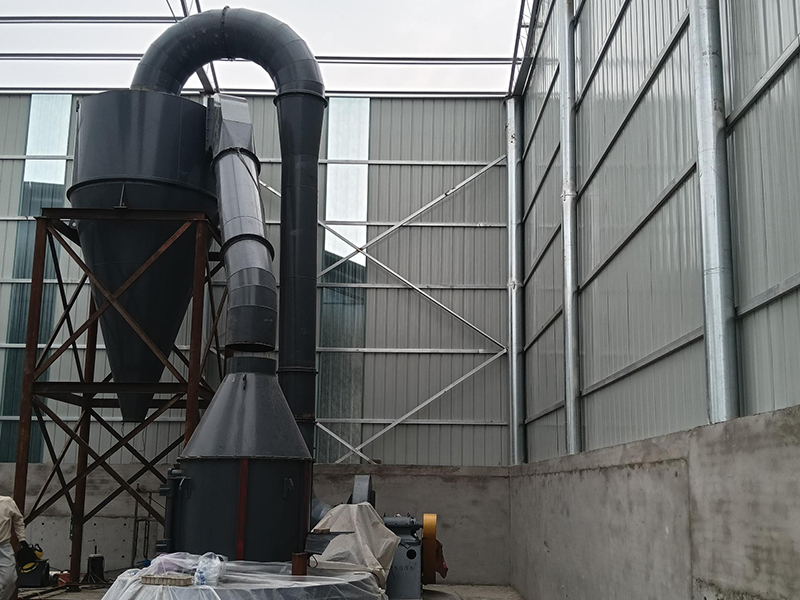
Production Capacity: 15 tons/hour
Processed Material: Dolomite
Finished Product Fineness: 325 Mesh
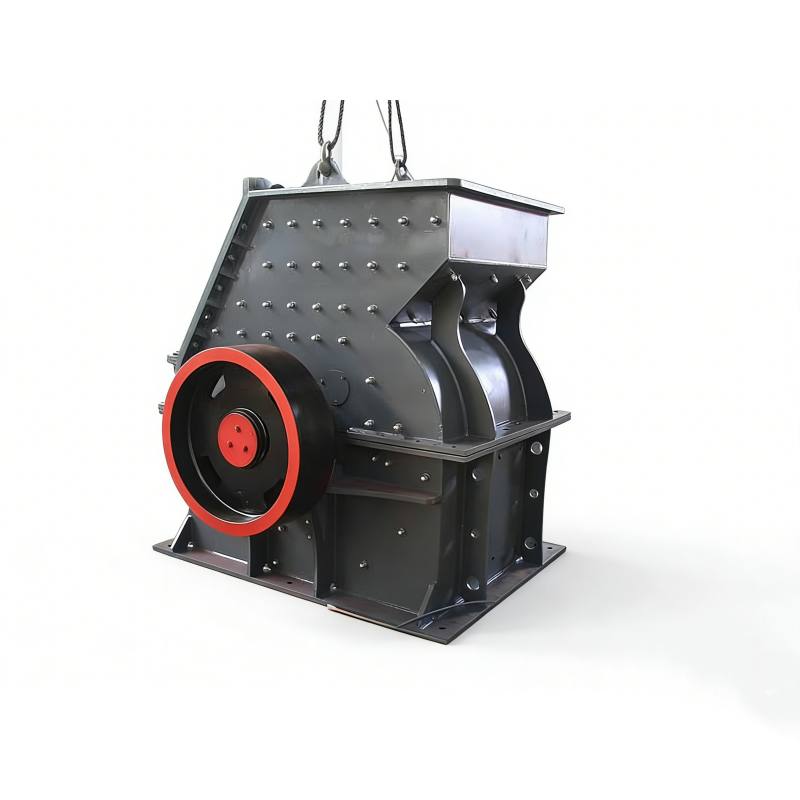
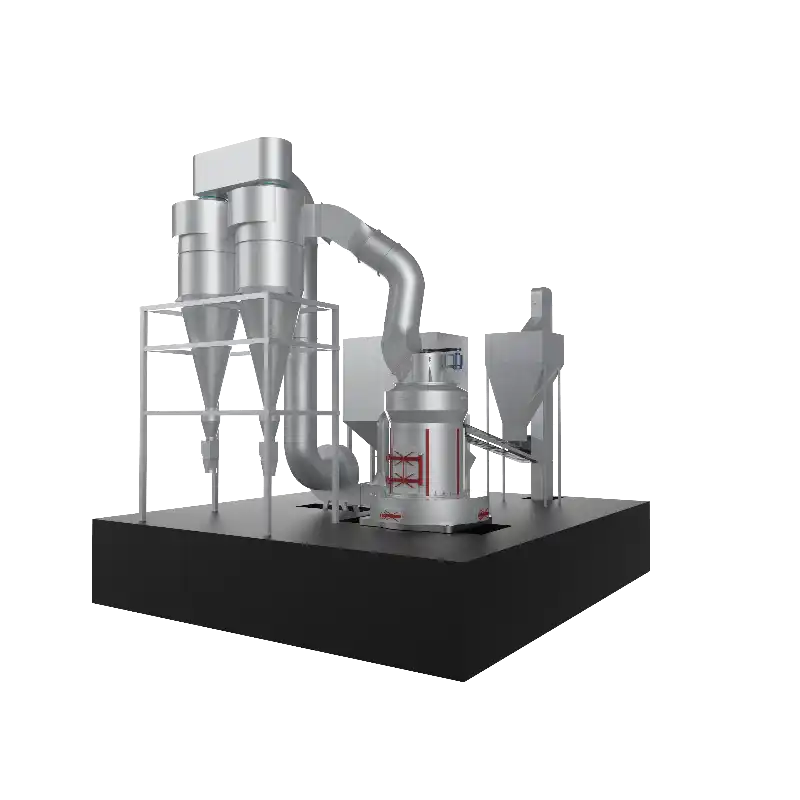
Core Equipment: Raymond Mill, Vibrating Feeder, Jaw Crusher
Production Overview:
Dolomite is a type of carbonate mineral—primarily comprising iron-rich dolomite and manganese-rich dolomite—characterized by a vitreous luster, a Mohs hardness of 3.5–4, and a specific gravity of 2.85–2.9. It exhibits perfect cleavage and crystallizes in the rhombohedral system. Once crushed, it serves as a raw material for the processing of construction materials, ceramic products, glass, and refractory materials. Furthermore, there is significant demand for dolomite powder across various industries, including chemicals, agriculture, environmental protection, and energy conservation.
Dolomite Grinding Process:
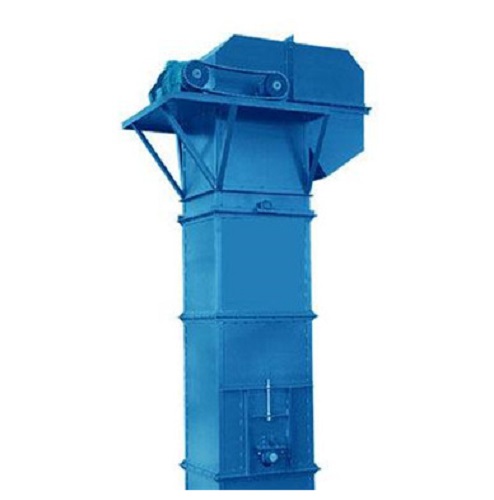
First, large blocks of raw dolomite are fed into a jaw crusher, where they are broken down into smaller particles (typically under 25 mm in size). These crushed materials are then transported via a bucket elevator to a raw material storage bin, where they await further processing.
Subsequently, the material is transferred to the grinding mill’s feed hopper. From there, a vibrating feeder and an inclined feed pipe work in tandem to evenly distribute the material onto the spreading plate located at the top of the mill’s turntable. Under the influence of centrifugal force, the material spreads outward toward the periphery, falling into the raceway of the grinding ring. Here, it undergoes repeated impact, rolling, and grinding actions by the grinding rollers.
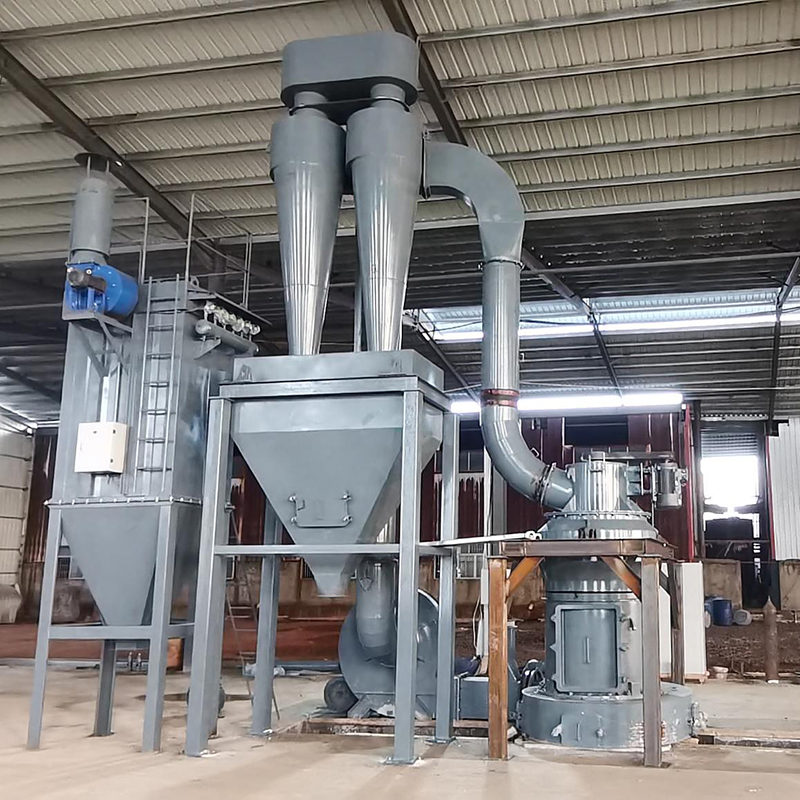
After passing through this three-stage grinding circuit, the material is transformed into a fine powder. A high-pressure blower generates suction to draw external air into the machine, carrying the pulverized dolomite particles into an air classifier. Inside the classifier, a rotating impeller separates the particles: coarse materials are rejected and fall back down for further grinding, while fine powder meeting the required specifications is carried by the airflow into a cyclone collector.
The finished product is then discharged through a rotary valve located at the bottom of the collector. Finally, the residual airflow—containing trace amounts of fine dust—passes through a pulse dust collector for purification before being discharged via the blower and a silencer.
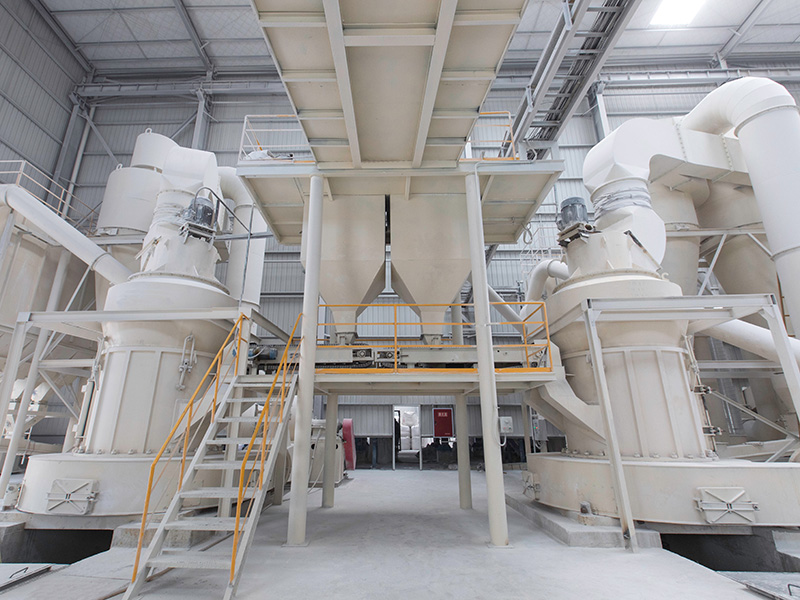
On-site Photos:
Client Testimonials:
We are extremely satisfied with the dolomite processing and pulverizing production line designed for us by the Cronus technical team. The process is straightforward, and the complete set of dolomite milling equipment is highly wear-resistant and durable; we have not experienced a single major mechanical failure to date. Furthermore, the fineness of the finished product is adjustable. The total investment for the equipment turned out to be lower than our initial budget—we truly made the right choice in selecting this manufacturer. Additionally, we have already begun to recoup our production costs, and the dolomite powder we produce is selling very well. Cronus’s machinery is truly excellent.
FAQ