
What is Mining Waste Rock?
Regardless of the type of raw material involved, its extraction process invariably entails an environmental cost. Most mining activities leave behind a lasting and destructive environmental footprint.
Take, for instance, the underground mining of common metals such as copper, lead, and zinc: the extraction process requires not only the removal of metal-bearing ore but also the complete clearance of the overlying layers of soil and rock—material collectively known as “mining waste rock.” When vast quantities of this waste rock are stripped away and haphazardly stockpiled, they not only consume land and obliterate the natural contours of the terrain but also inflict persistent damage upon the surrounding ecological environment..
Environmental Impact of Mining Waste Rock
Aquatic Environment
The impact of mining waste rock on water resources is contingent upon various factors, including the scale of the mine, the depth of excavation, the prevailing water table levels, and the permeability of the rock strata. When exposed to the elements—wind, sunlight, and rain—mining waste rock undergoes weathering; consequently, the heavy metals, salts, and other contaminants contained within are leached out by rainwater, flowing into rivers or seeping into the ground, thereby polluting both surface water and groundwater.
Atmospheric Environment
Fine dust particles within waste rock piles are stirred up during strong winds, creating airborne dust that pollutes the air surrounding the mining area. This degrades local air quality and poses a risk to respiratory health.
How to Reuse Mining Waste Rock?
The most common application is as sand and gravel aggregate; waste rock—such as limestone and basalt—can serve as a substitute for natural sand and gravel in construction and road engineering projects. Tailings can also be processed into fine aggregate for concrete, offering superior corrosion resistance compared to sea sand while simultaneously enhancing the concrete’s structural strength. Furthermore, high-hardness waste rock can be utilized directly as railway ballast, or employed as raw materials, blending agents, and corrective additives in cement production, thereby reducing manufacturing costs.
Shanghai Cronus: Mine Waste Rock Treatment
Cronus possesses core equipment for crushing, grinding, sorting, and intelligent control, offering comprehensive, end-to-end solutions for the resource utilization of waste rock. These solutions span the entire process—from source-side crushing and screening to the recovery of valuable components, the preparation of recycled aggregates and construction materials, and finally, the dry stacking of tailings and the backfilling of mined-out areas. Ultimately, this achieves the goal of zero waste rock landfilling and total utilization, making the system adaptable to a wide range of scenarios, including metal mines, non-metal mines, and coal mines.
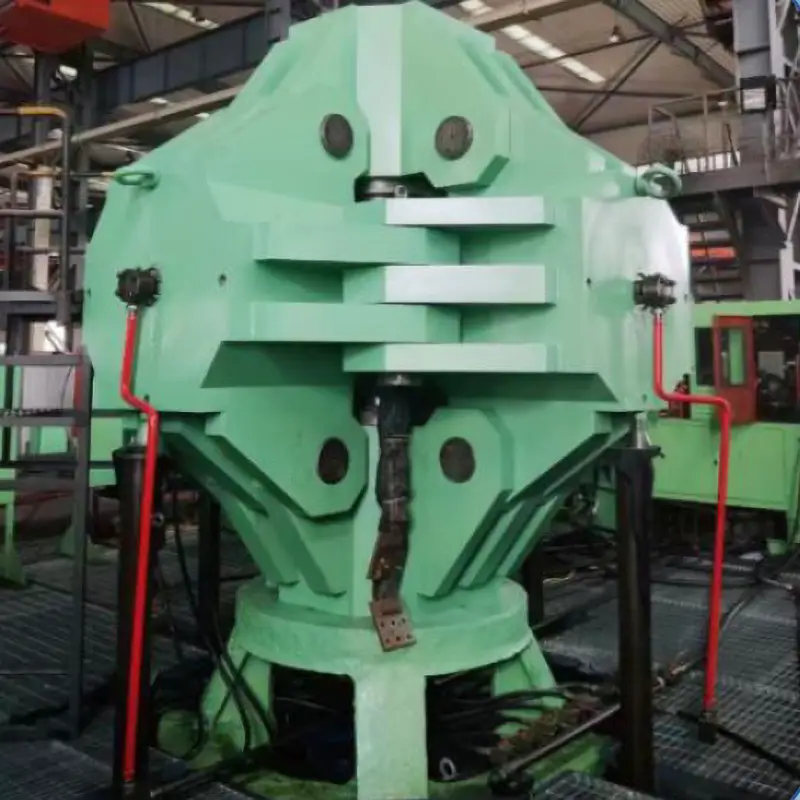
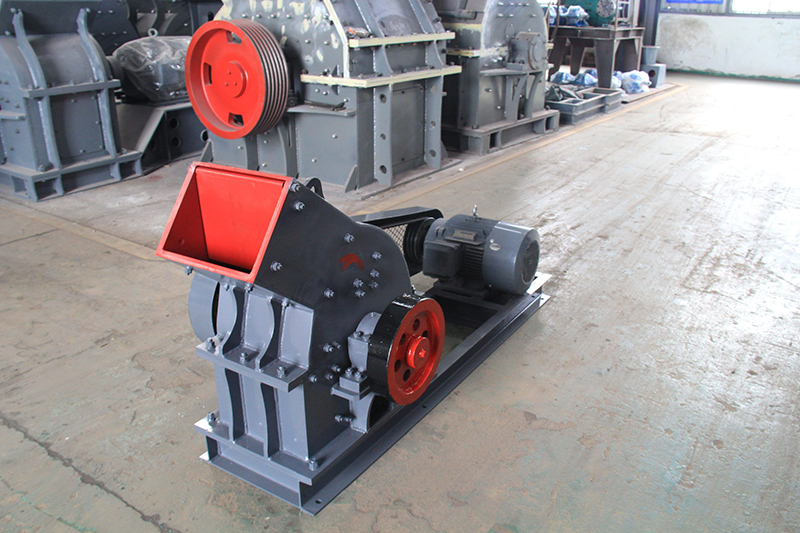
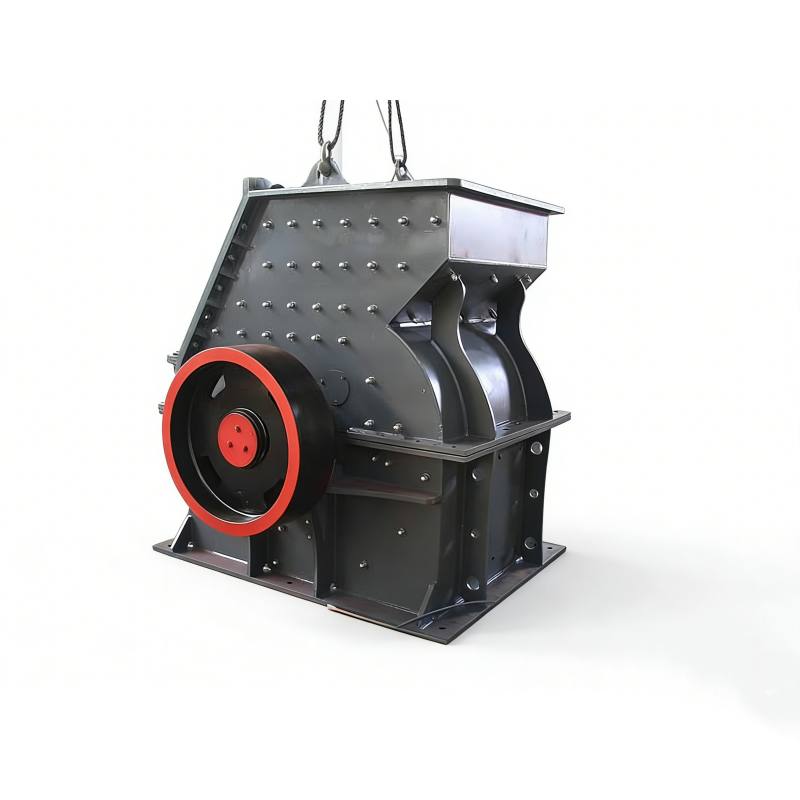
Jaw Crusher
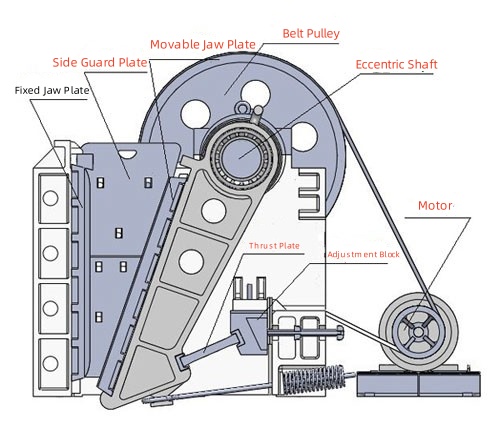
Feed Size: ≤1200 mm
Production Capacity: 1–1200 t/h
Applicable Materials: Stone, limestone, pebbles, river pebbles, quartz, basalt, iron ore, granite, shale, gypsum.
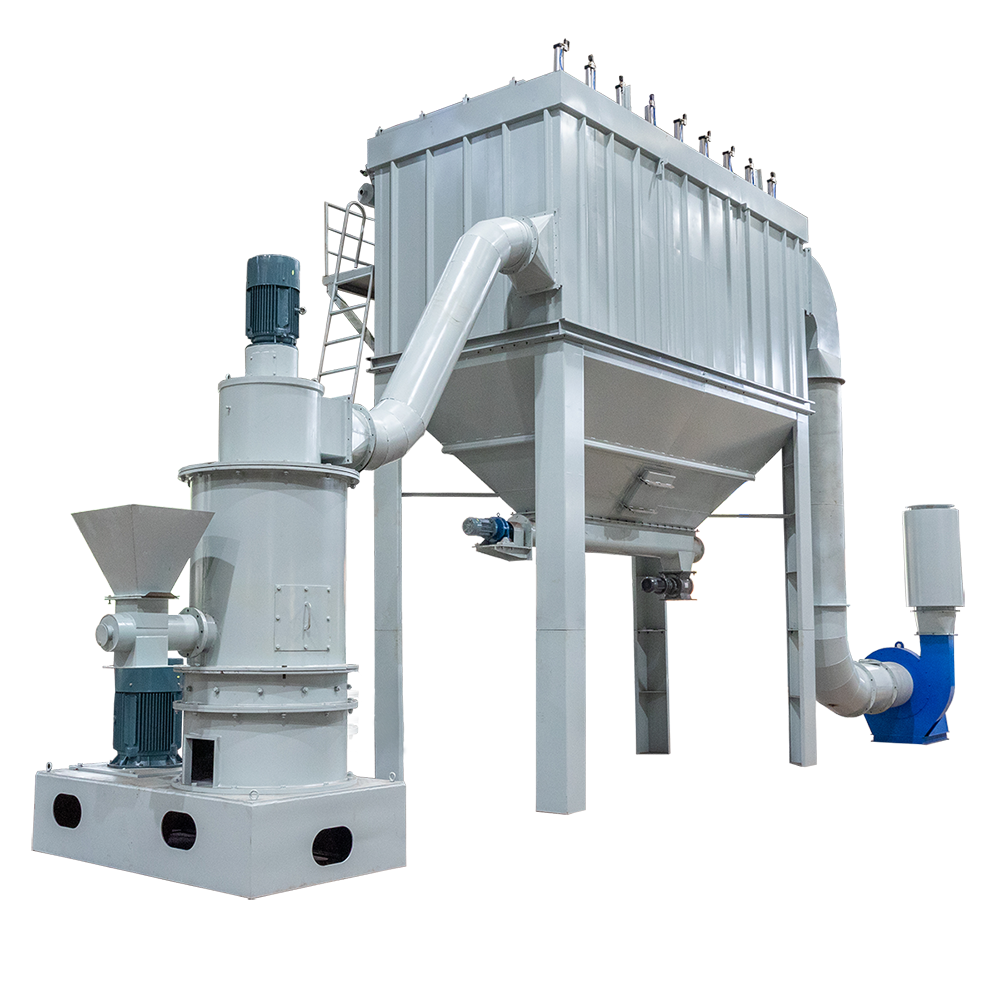
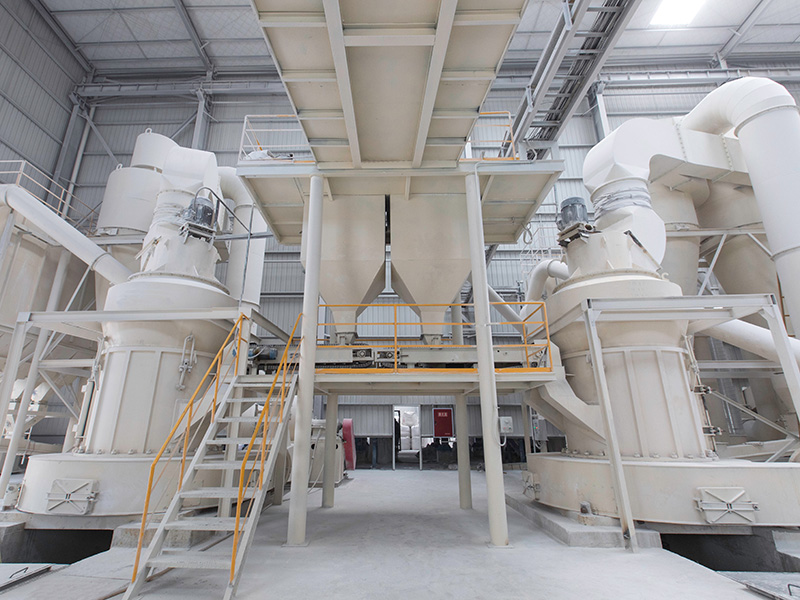
Integrated Sand & Powder Grinding Mill
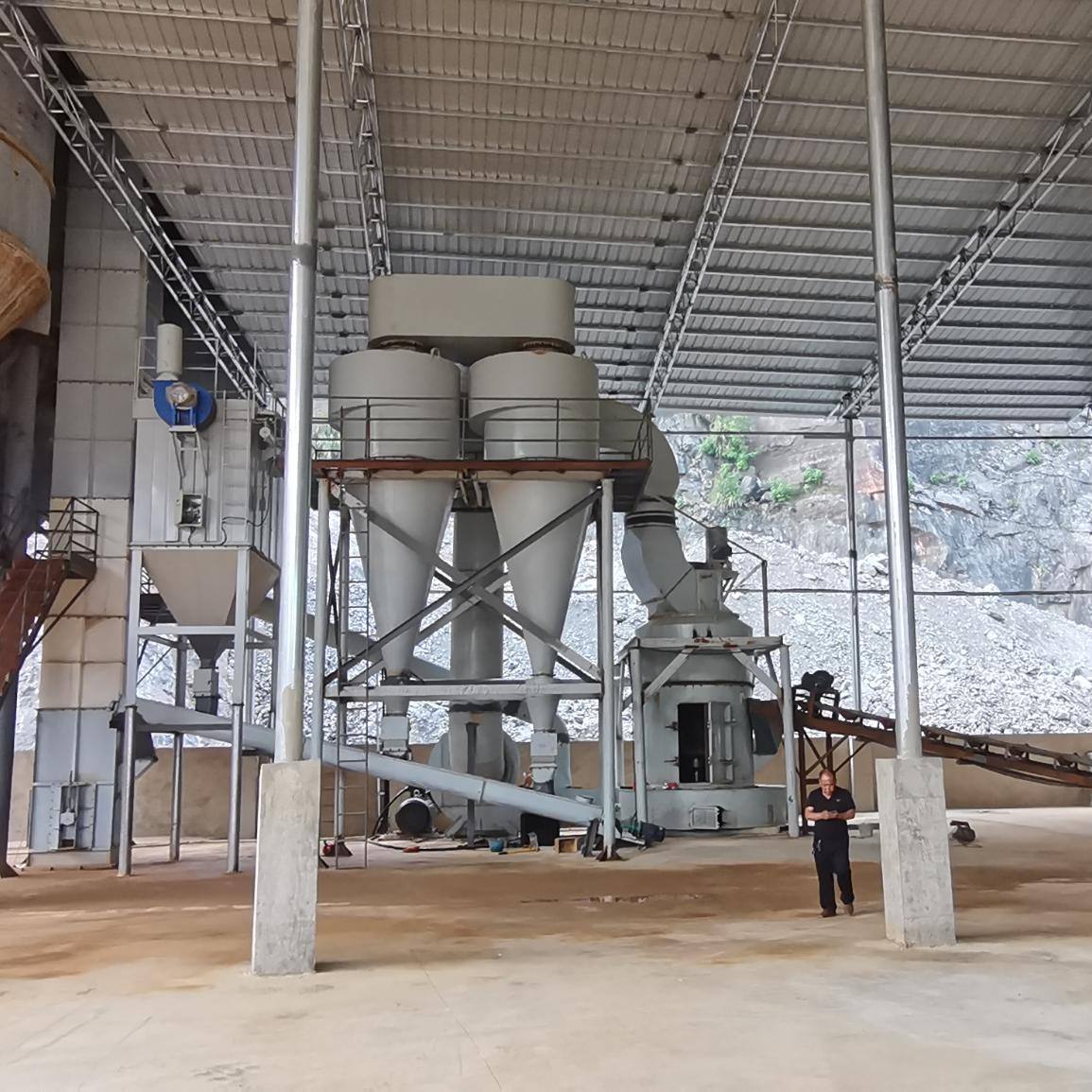
Optimized and improved based on the Raymond mill design, this machine simultaneously produces fine sand alongside fine powder—all while maintaining the same energy consumption. Effectively, the same amount of electricity yields two distinct products; the combined output of fine powder and fine sand is 1.5 to 1.8 times greater than that of a machine dedicated solely to fine powder production.
Fineness: 20–140 mesh (Sand), 80–400 mesh (Powder)
Capacity: 1–80 t/h
Suitable for grinding non-flammable and non-explosive materials with a Mohs hardness of less than 7 and a moisture content of less than 6%. It is widely used in chemical industries—such as glass, rubber, pesticides, enamel, paint, phosphate fertilizers, and papermaking—for processing materials such as limestone, dolomite, barite, marble, and other heavy calcium powders.
Project Case Study: Anhui Mine Waste Rock Utilization for Brick Manufacturing and Reclamation Backfilling
Project Background
During its routine mining operations, a certain metal mine in Anhui Province continuously generates vast quantities of waste rock and tailings. The prolonged open-air stockpiling of these solid wastes not only consumes extensive arable land resources but also creates significant safety hazards—such as slope instability and dam breaches—thereby posing a severe threat to the surrounding ecological environment and the operational safety of the mining area.
Traditional land reclamation methods entail high investment costs and lengthy restoration cycles, making it difficult to effectively redevelop and utilize the resulting idle land.
Solution
Based on the actual inventory of solid waste within the mining area and the specific site conditions, an integrated disposal model has been adopted: combining waste rock-to-brick manufacturing with the backfilling and reclamation of open-pit mines.
Waste rock generated by the mine undergoes processing—including crushing and screening—to serve as raw material for the production of innovative, eco-friendly building materials, such as steam-cured bricks and hollow blocks, thereby achieving the resource-oriented reuse of solid waste.
Any remaining waste rock not utilized for brick production is systematically used to backfill abandoned open-pit mines. Following layered compaction, these areas are capped with a layer of topsoil and supplemented with vegetation planting to facilitate ecological land reclamation.