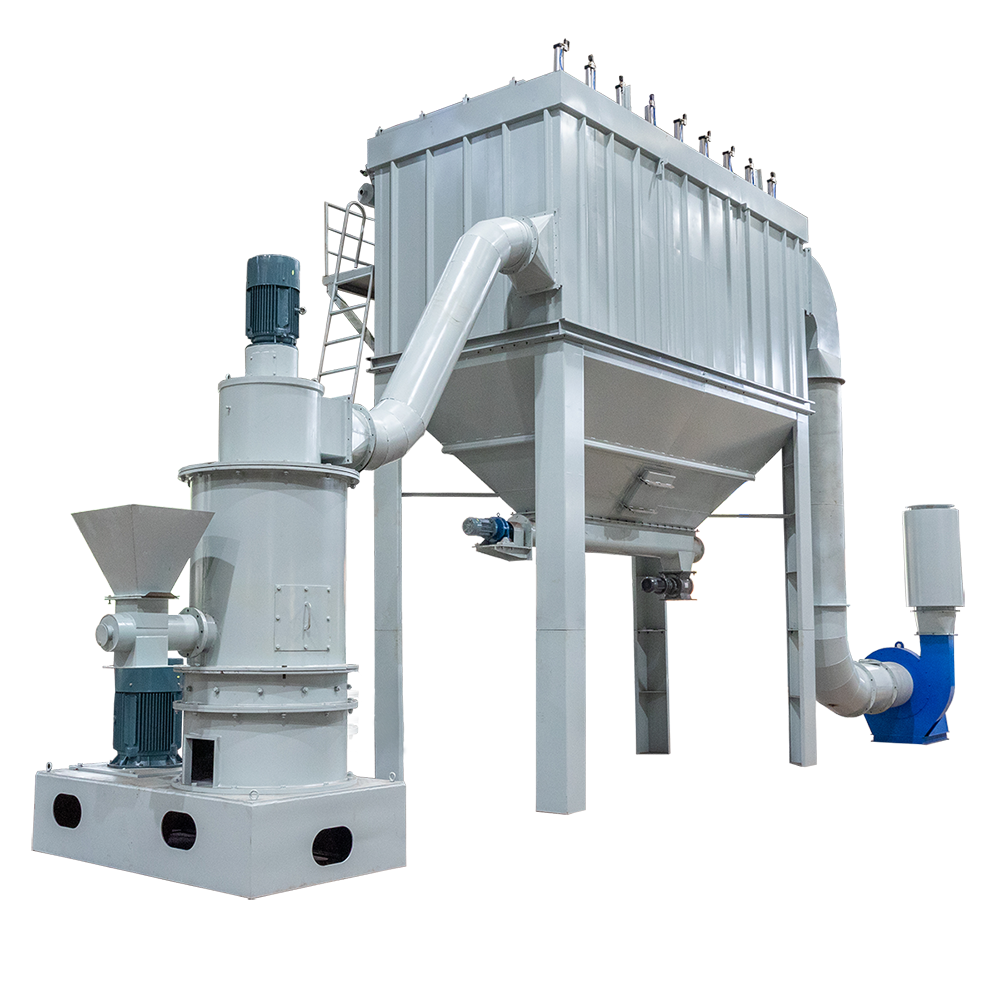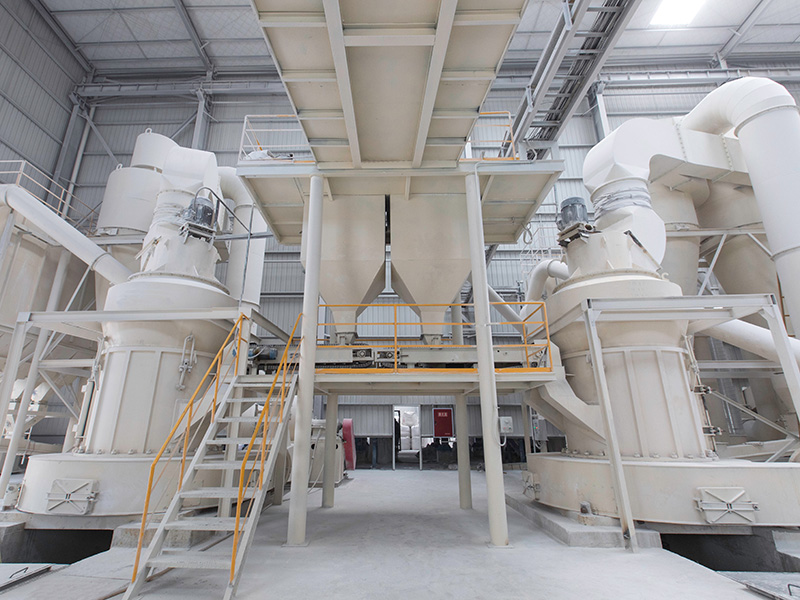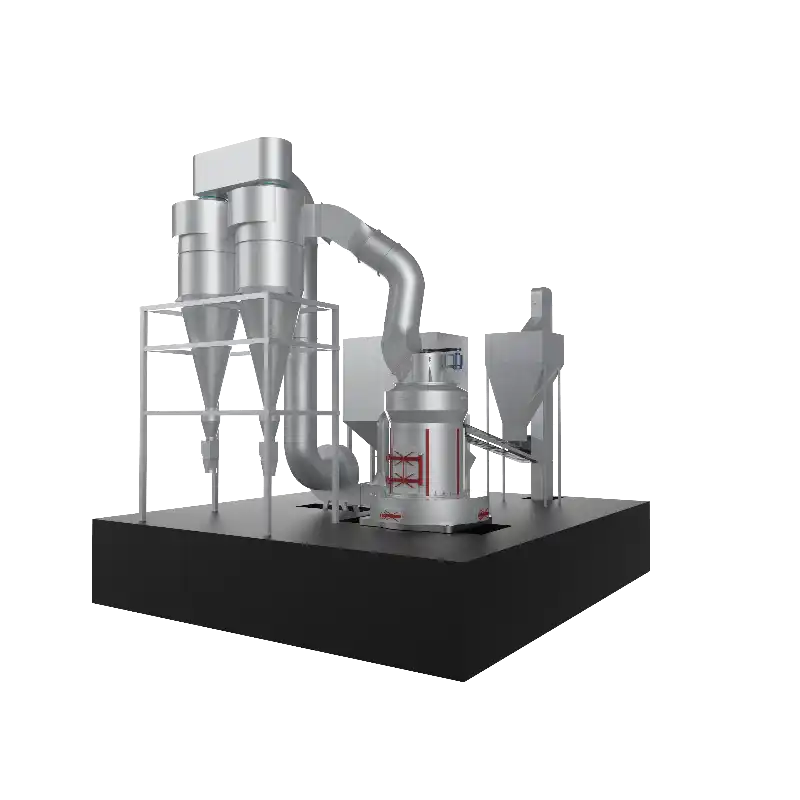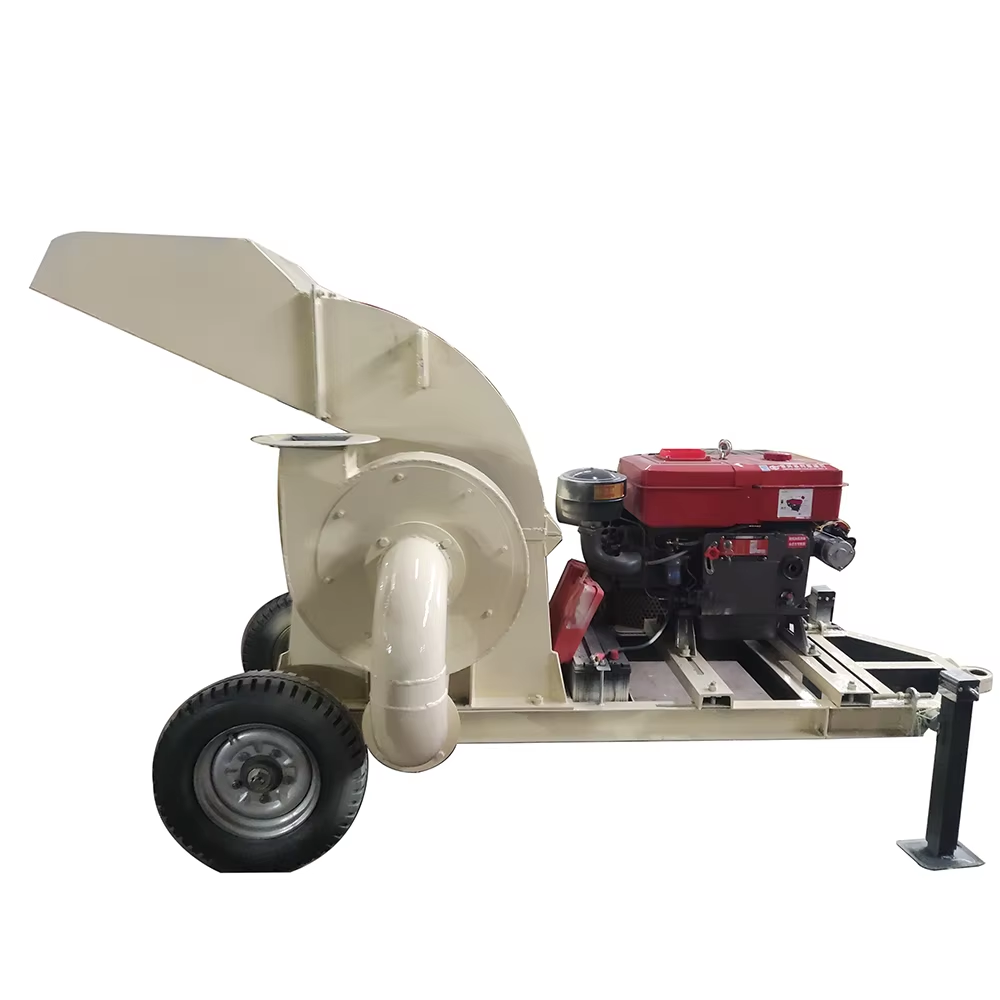

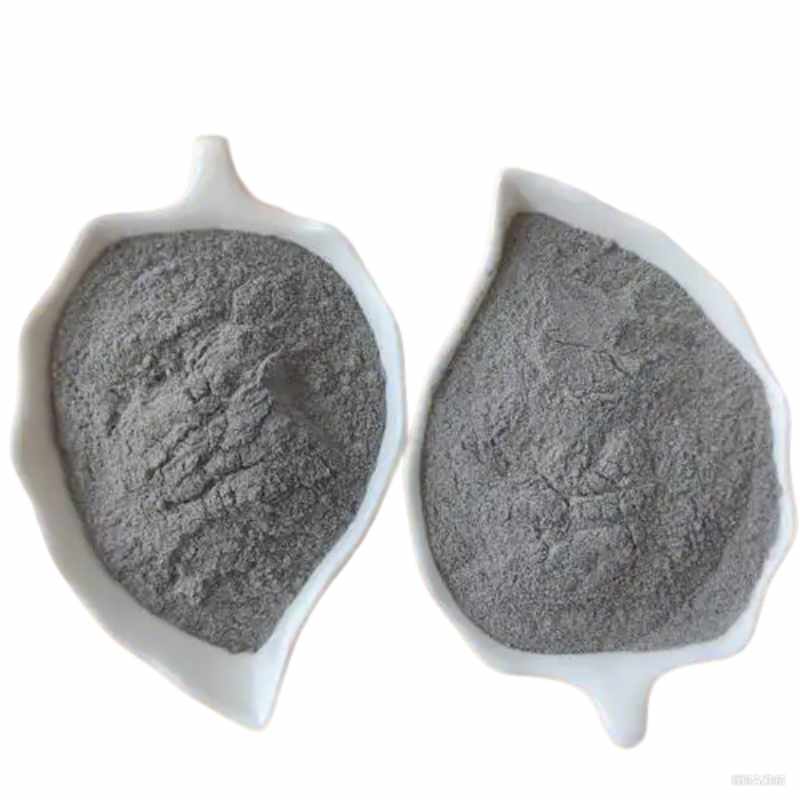
The Raymond Bowl Mill is widely utilized for the pulverization of coal. As a vital industrial fuel, coal—once ground into a fine powder—exhibits a significantly increased surface area in contact with air, thereby vastly improving combustion efficiency. Furthermore, given coal’s inherent characteristics of high strength and brittleness, it is not easily reduced to powder; consequently, grinding equipment is indispensable to the coal processing workflow. This has established the Raymond Bowl Mill as the preferred choice for coal-fired power plants, cement kilns, and steel mills worldwide.
Working Principles of the Raymond Bowl Mill in Coal Processing
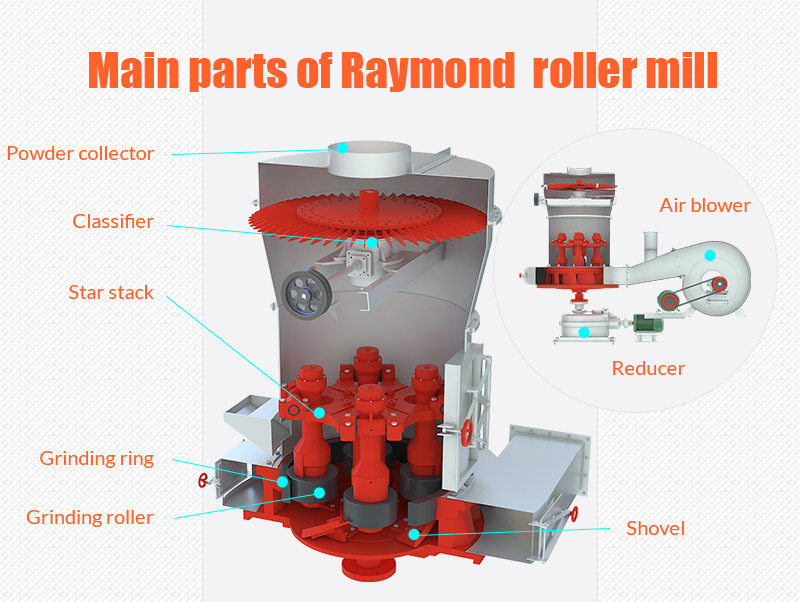
The operational principle of the Raymond Bowl Mill is based on a combination of “compressive crushing + classification + closed-circuit circulation.” Under the influence of centrifugal force, the grinding rollers rotate in close contact with the grinding ring. Material is fed by scraper blades into the zone between the rollers and the ring, where it undergoes high-pressure extrusion and rolling shear, achieving highly efficient layered crushing. The pulverized material is then entrained by an airflow generated by a blower and directed into an air classifier for grading.
The classifier controls the fineness of the powder by adjusting the impeller speed; oversized coarse particles are returned to the grinding chamber for further pulverization, while qualified fine particles are carried by the airflow into a cyclone separator for collection. The entire airflow system operates within a closed loop—largely under negative pressure—and any residual exhaust gas is purified via a dust collector before being discharged, thereby ensuring environmental protection and energy efficiency.
Why is the Raymond Bowl Mill the Optimal Solution for Pulverized Coal Preparation?
Precise Fineness Control (Particle Size Distribution)
The completeness of coal combustion is directly dependent on its fineness. By adjusting the grinding roller pressure and the classifier impeller speed, this equipment can easily achieve high-precision output where 70% to 90% of the material passes through a 200-mesh sieve (74 μm), thereby ensuring that heat loss during boiler combustion is minimized.
Exceptional Drying Capability
High moisture content in coal presents a significant challenge during processing. The Raymond Bowl Mill utilizes high-temperature primary air to facilitate heat exchange, enabling it to process raw coal with initial moisture levels ranging from 20% to 25%. This system seamlessly integrates the functions of grinding, drying, and conveying into a single unit.
The Raymond Bowl Mill Coal Processing Workflow
During mining and handling, coal gangue may contain impurities like metal fragments or wood debris, which can damage grinding equipment and reduce efficiency. These are typically removed through screening, magnetic separation, or manual sorting to ensure clean raw material.
If the moisture content exceeds 6%, drying is necessary. Excess moisture can cause material to stick to equipment, lower grinding efficiency, and reduce powder flowability. Drying can be done via air-drying, which is simple and low-cost but weather-dependent, or thermal drying, often using a rotary dryer, which is faster and more efficient.
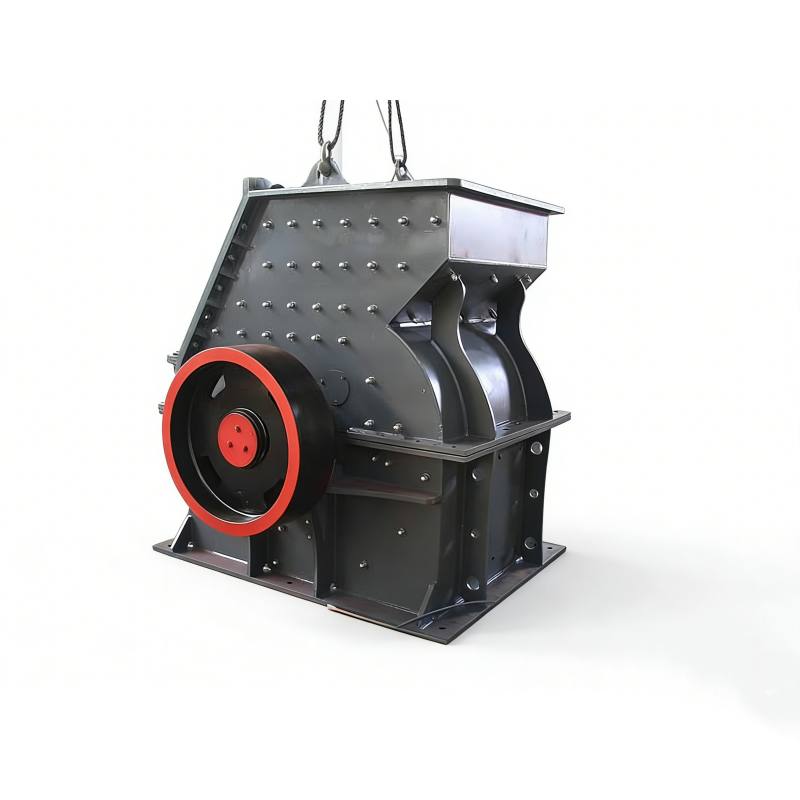
Crushing: Large lumps of coal gangue must be crushed to a size of less than 30 mm to meet the feed requirements of the grinding mill and to enhance grinding efficiency. The crushing process is divided into two stages: coarse crushing and medium-to-fine crushing. Jaw crushers are commonly used for coarse crushing, while impact crushers are suitable for medium-to-fine crushing. Following crushing, the material undergoes screening; any material that fails to meet the required particle size specifications is returned for re-crushing.
Material enters the Raymond mill through the feed hopper. The grinding rollers rotate on their own axes while revolving around a vertical axis, pressing against the grinding ring under centrifugal force. Scraper blades lift the material into the gap between the rollers and ring, where it is ground into powder. A blower carries the powder to a classifier; coarse particles return for further grinding, while fine powder is collected in a cyclone and discharged. The negative-pressure airflow system ensures efficient classification and reduces dust emissions.
Maintenance and Spare Parts: Ensuring Processing Continuity
The environment within coal processing facilities is extremely harsh, where dust and friction act as the primary adversaries of the equipment. To prevent unplanned downtime, the following measures are recommended:
Regularly monitor the wear profile of the grinding rollers: Ensure the flatness and integrity of the grinding surfaces.
Check the sealing air pressure: Prevent coal dust from infiltrating the bearing housings, thereby extending bearing service life.
Select genuine OEM performance parts: Ensure precise geometric matching of components to minimize system vibration.