
Contents Catalog
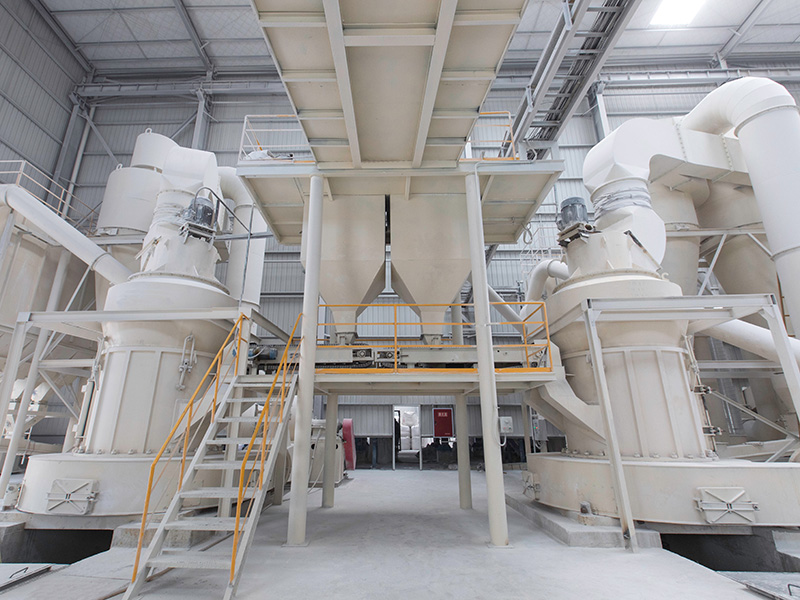
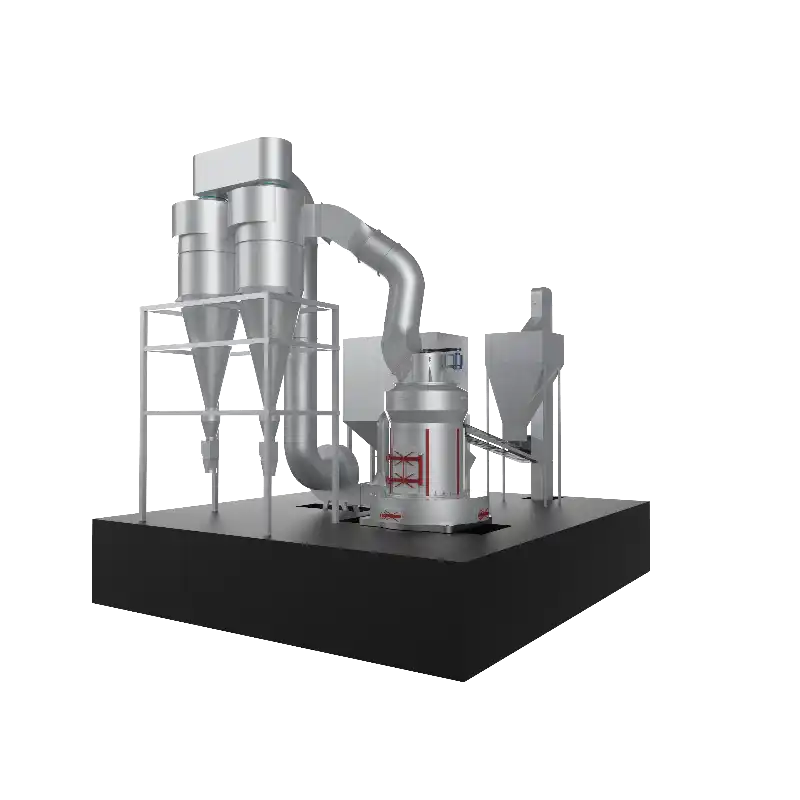
The gearbox is the heart of a Raymond mill’s transmission system. Given the heavy-duty nature of grinding operations, the gearbox is subjected to immense torque and vibration. we understand that a gearbox failure means a complete production halt.
This guide covers the identification, repair, and prevention of common Raymond mill gearbox issues to help you maximize your equipment’s uptime.
Identifying Common Gearbox Issues
Before disassembling your equipment, look for these key symptoms of mechanical distress:
- Excessive Noise: A grinding or high-pitched whining noise often indicates worn bearings or improper gear meshing.
- Overheating: If the gearbox housing temperature exceeds 80°C, it is likely due to lubricant degradation or internal friction.
- Oil Leaks: Often found around the input/output shafts, leaks usually point to perished oil seals or loose housing bolts.
- Increased Vibration: Unstable vibration can be caused by a cracked gear tooth or a misalignment between the motor and the gearbox.
Raymond Mill Gearbox Repair Process
Step-by-Step Raymond Mill Gearbox Repair Process
If a failure occurs, follow this professional repair protocol:
Step 1: Oil Analysis and Drainage
Drain the existing lubricant into a clean container. Check for metal shavings or “glitter” in the oil; this is a definitive sign of gear teeth or bearing race wear.
Step 2: Component Disassembly
Remove the protective covers and decouple the motor. Carefully extract the bevel gears (spiral or straight) and the horizontal shaft. Use a specialized puller for bearings to avoid damaging the shaft housing.
Step 3: Inspection and Part Replacement
- Gears: Inspect for pitting, spalling, or chipping. If the gear tooth thickness is worn by more than 15-20%, the set must be replaced.
- Bearings: Always replace bearings if they show any signs of discoloration from heat.
- Seals: We recommend replacing all O-rings and oil seals during any teardown, regardless of their apparent condition, to prevent future leaks.
Step 4: Backlash Adjustment
When reassembling, the “backlash” (the gap between mating gear teeth) must be precisely calibrated. Too tight, and the gears will overheat; too loose, and they will suffer from impact damage.
Preventive Maintenance for Long-Term Reliability
The best repair is the one you never have to do. Follow these maintenance best practices:
| Task | Frequency | Action |
|---|---|---|
| Lubricant Level Check | Weekly | Top up with high-quality EP (Extreme Pressure) gear oil. |
| Bolt Tightening | Monthly | Ensure anchor bolts are tight to prevent vibration. |
| Oil Replacement | Every 2000 Hours | Completely flush the system to remove microscopic contaminants. |
| Temperature Monitoring | Daily | Use an infrared thermometer to track baseline operating heat. |
Why Use Cronus Genuine Raymond Mill Parts?
Using third-party or “will-fit” parts is the leading cause of repeat gearbox failures. At Cronus, we provide OEM-standard gears and shafts forged from high-strength alloy steel, ensuring perfect compatibility and heat dissipation.
Expert Advice: Never mix different brands or grades of gear oil. Chemical incompatibility can lead to foaming and a total loss of lubricating film, destroying your gears in hours.