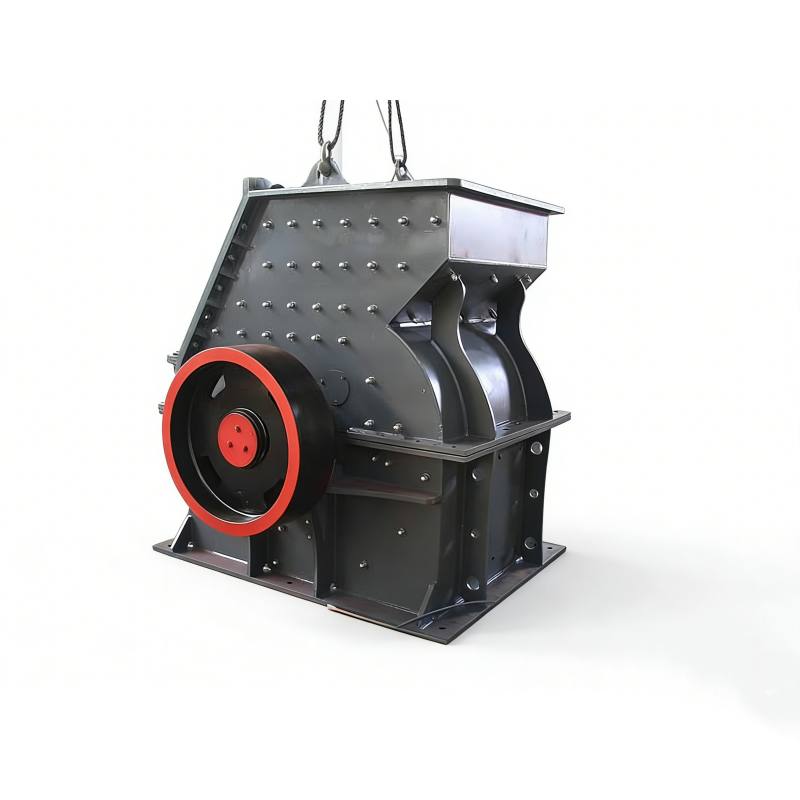

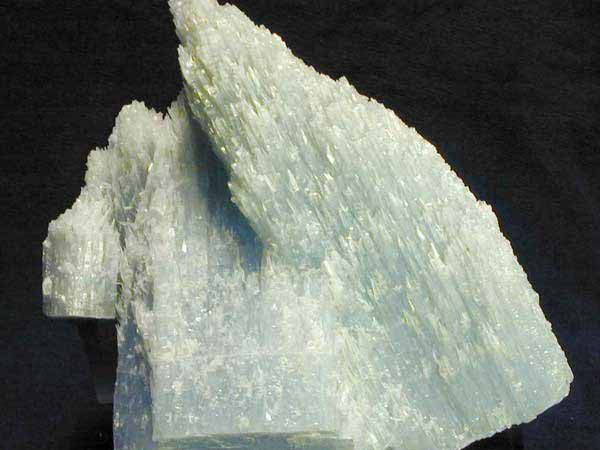
Waste gypsum primarily originates from industrial byproducts (such as desulfurization gypsum and phosphogypsum), construction scraps, and the processing of gypsum-based products. Due to its specific content of crystal water and impurities, it must undergo precise pulverization and thermal treatment processes to be transformed from industrial waste into high-value mineral raw materials.
Core Process Flow
1. Pre-treatment and Crushing Stage
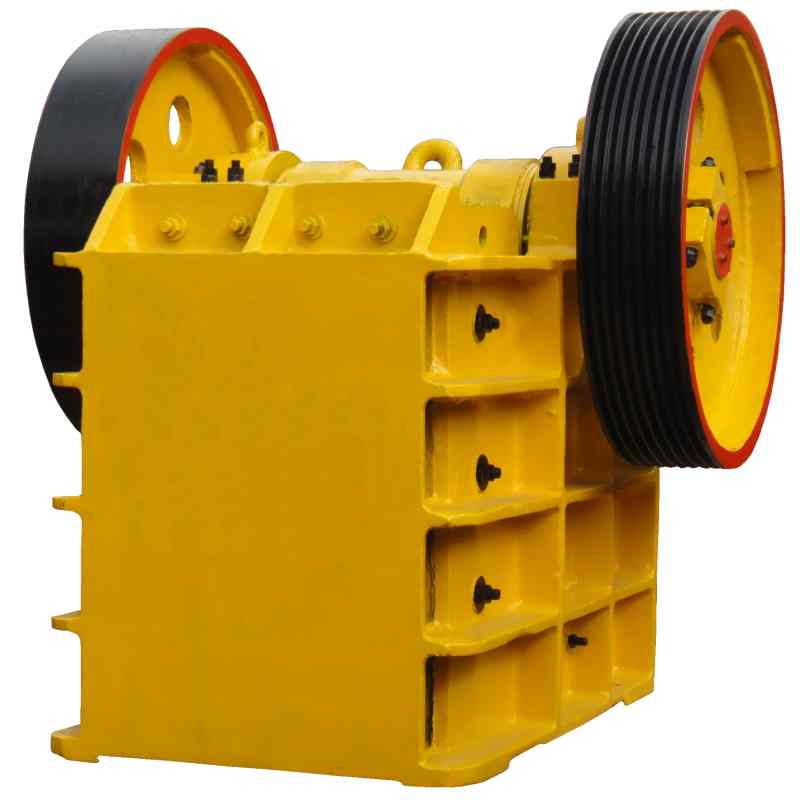
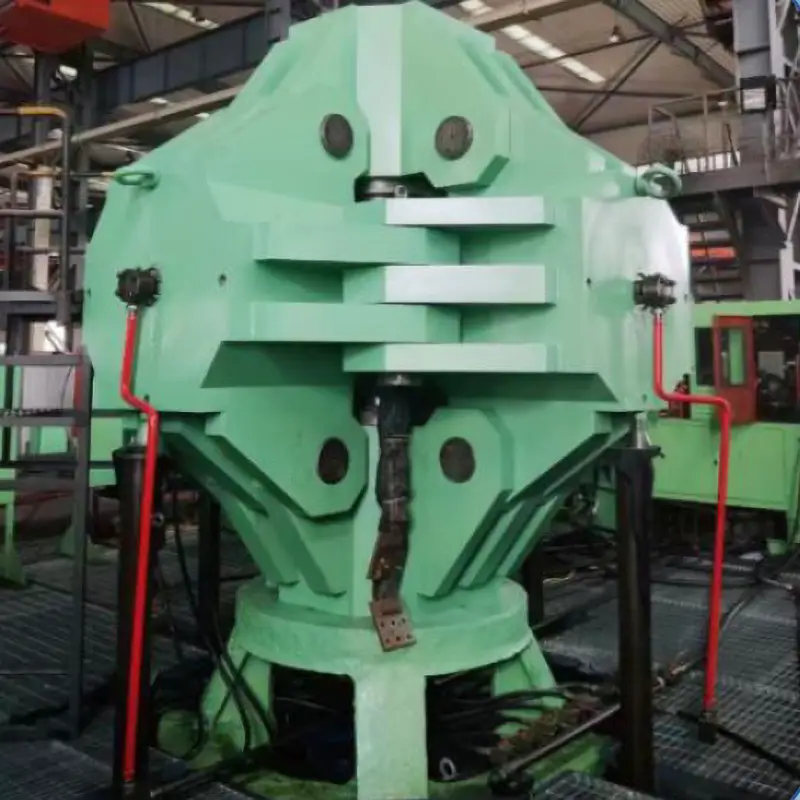
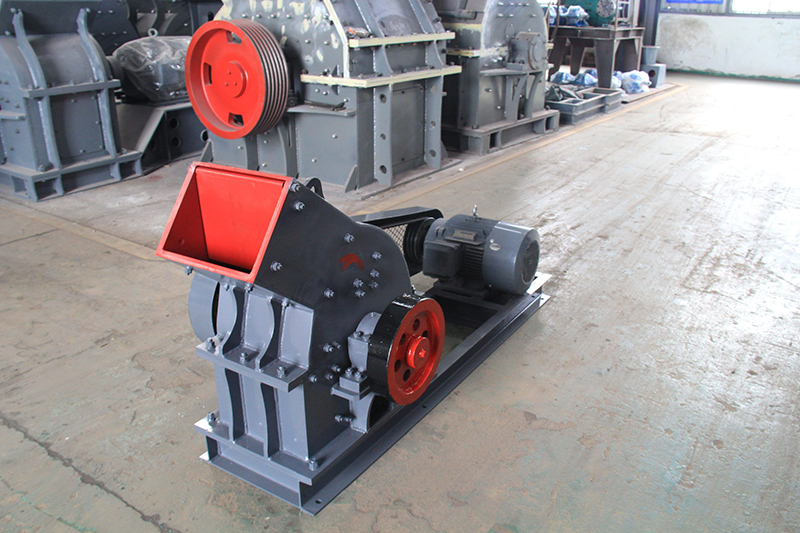
The raw material first enters the crushing system. For lump-form waste gypsum, a jaw crusher is typically selected for primary crushing. The focus of this step is to uniformly crush large-sized waste pieces down to the required feed size for the pulverizing equipment (typically below 30 mm), thereby laying the foundation for subsequent fine-scale deep processing.
2. High-Efficiency Pulverization Stage
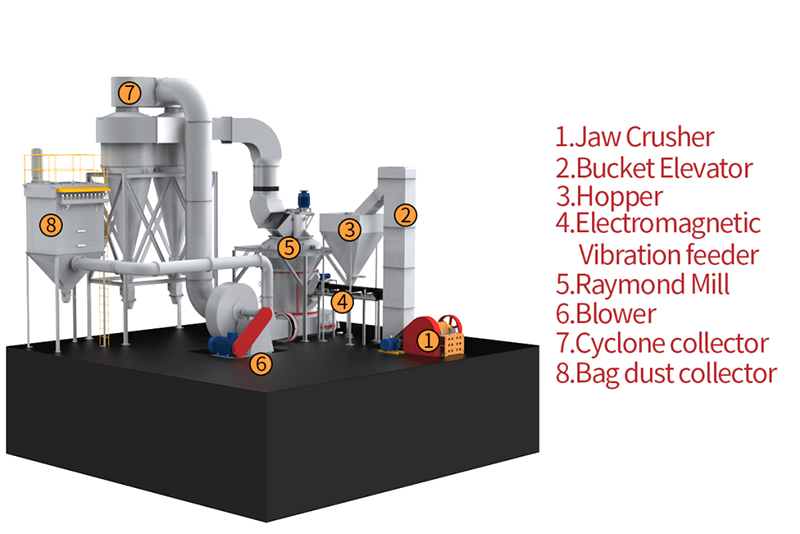
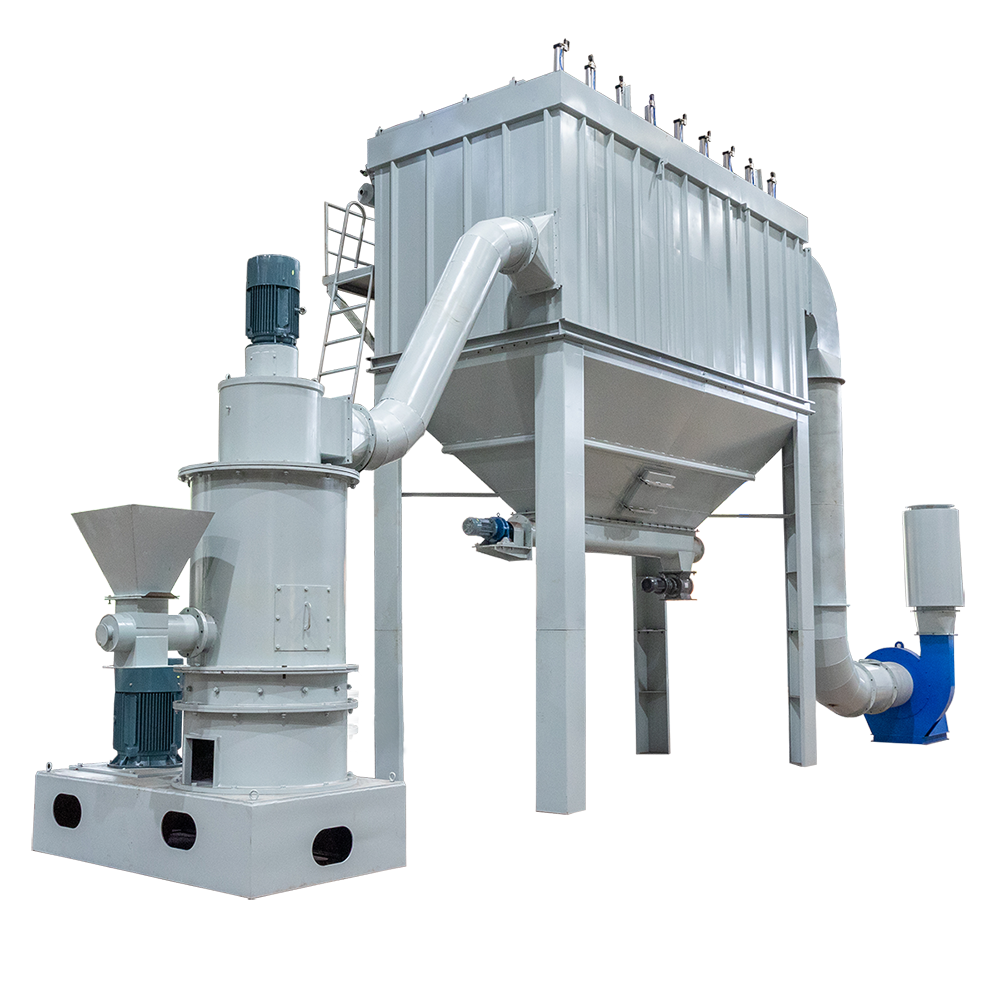
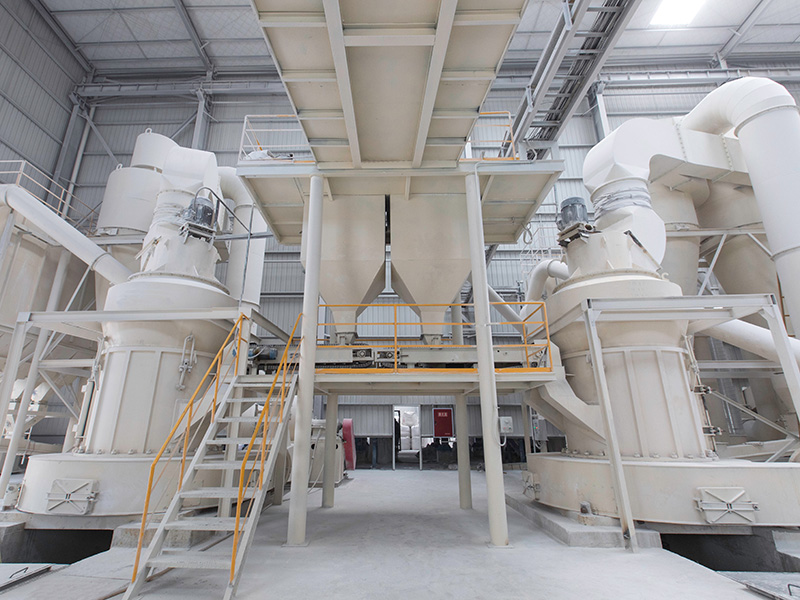
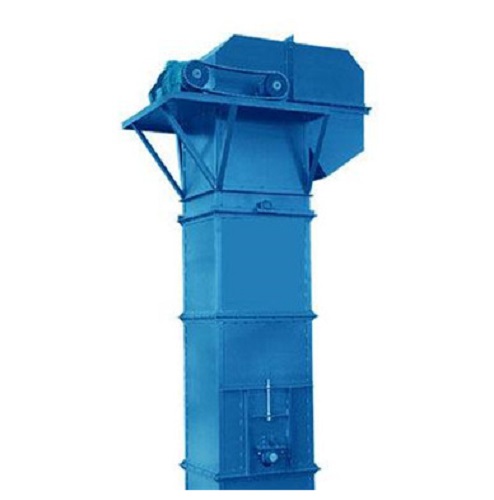
The crushed particles are conveyed by an elevator into a grinding mill (such as a Raymond mill or an ultrafine mill). Under the combined action of centrifugal force and grinding rollers, the material is subjected to intense compression and shearing forces. This stage determines the final fineness of the finished product and serves as a critical link in enhancing material reactivity and increasing specific surface area.
3. Fine Classification Stage
The powder discharged from the grinding mill enters an analyzer or air classifier. Through a combination of airflow circulation and screening mechanisms, the system automatically separates powder that has reached the specified fineness, while coarse particles that do not meet the standard are returned to the grinding zone. This closed-circuit circulation ensures the uniformity of the finished product’s particle size and effectively filters out primary physical impurities.
4. Calcination and Drying Treatment
Depending on the intended final application (e.g., the production of calcined gypsum), the classified powder is directed into a drying system or a calcination kiln. By precisely controlling temperature and residence time, free water or a portion of the crystal water is removed. The use of airflow drying equipment ensures full contact between the material and hot air, thereby guaranteeing the stability of the finished product’s physicochemical properties.
Key Technical Considerations: The hardness and moisture content of waste gypsum can vary significantly.In actual production, it is essential to optimize the pressure parameters of the grinding mill and the airflow velocity settings of the air classifier—based on the specific characteristics of the desulfurization gypsum, phosphogypsum, or construction gypsum being processed—in order to achieve a balance between production output and energy consumption.
Key Application Areas for Waste Gypsum
Production of Green Building Materials: Processed gypsum powder serves as a core raw material for manufacturing gypsum boards, decorative moldings, and plastering compounds. Its lightweight nature, fire resistance, and excellent thermal insulation properties have established it as a dominant material in modern prefabricated construction.
Cement Industry Regulator: Incorporating an appropriate amount of waste gypsum into cement grinding mills effectively regulates the cement’s setting time. Furthermore, it significantly enhances the material’s long-term strength and abrasion resistance, thereby facilitating the large-scale utilization of industrial solid waste.
Soil Remediation and Improvement: The calcium and sulfur elements present in gypsum effectively neutralize saline-alkali soils, improve soil aggregate structure, and enhance permeability. This makes it a low-cost, high-efficiency method for soil improvement within the agricultural sector.
Ecological and Environmental Management: By leveraging gypsum’s adsorption and precipitation properties, it can be applied to the removal of heavy metals from industrial wastewater or utilized as a solidification agent for treating hazardous waste—a process known as “using waste to treat waste.”
Cross-Industry Extended Applications: Additionally, high-purity recycled gypsum can be utilized in the manufacture of ceramic molds, as a filler in paper production, and as an additive in specialized coatings, thereby significantly boosting the marginal value of these waste resources.
Through scientific crushing and grinding processes combined with rational resource allocation, the treatment of waste gypsum not only alleviates the environmental pressures associated with waste stockpiling but also generates long-term economic returns within the circular economy chain.