
Contents Catalog

Product Fineness: 150–1250 Mesh
Feed Size:
Output: 0.5–45 t/h (tons per hour)
Talc powder production lines are widely utilized in industries such as building materials, chemicals, coatings, and papermaking, providing these sectors with high-quality talc raw materials.
What is Talc Powder?
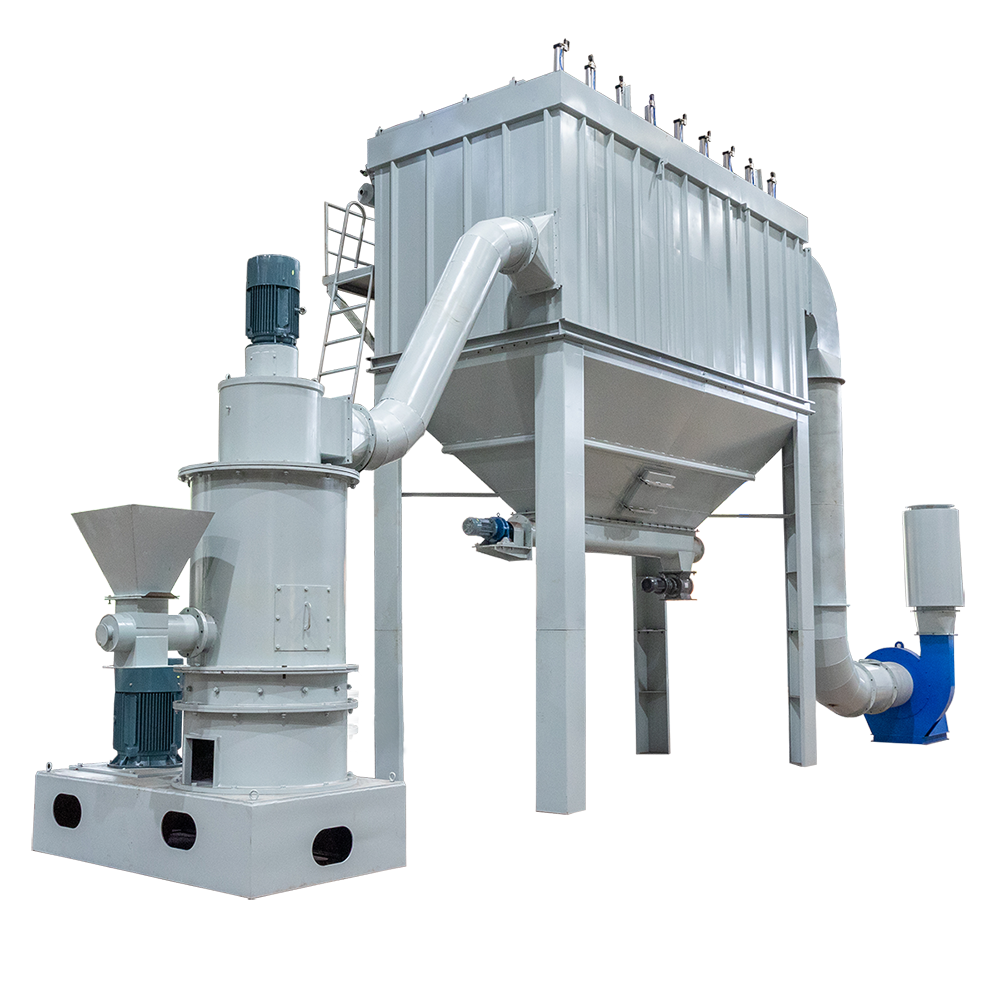
The talc powder production line—also known as an industrial ultrafine talc grinding mill—primarily produces talc powder ranging in fineness from 150 to 2500 mesh.
This talc production line features stable operation, ease of use, and convenient maintenance. It ensures reliable production capacity and a high yield rate while effectively reducing operator training costs, simplifying maintenance tasks, and minimizing downtime for repairs—qualities that have earned it the favor of numerous users.
It is capable of continuous, round-the-clock operation without the need for scheduled maintenance shutdowns.
Talc Powder Production Line Process
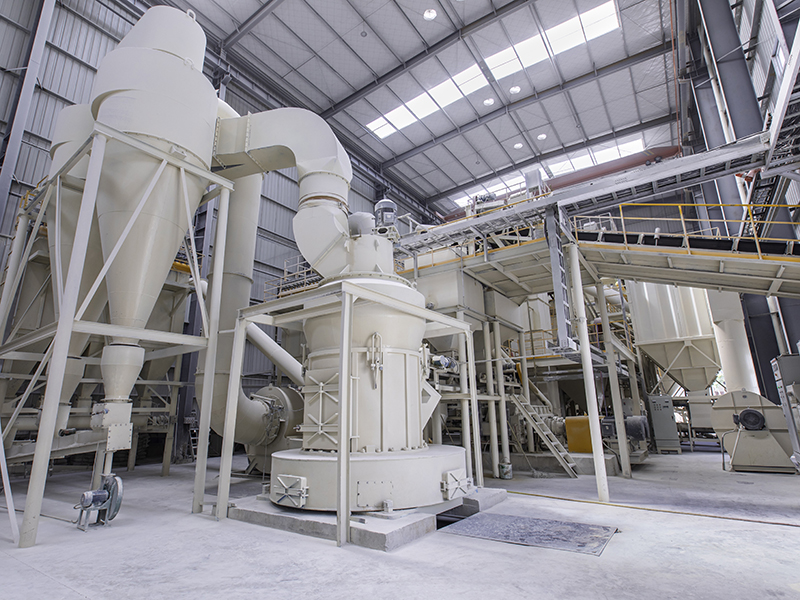
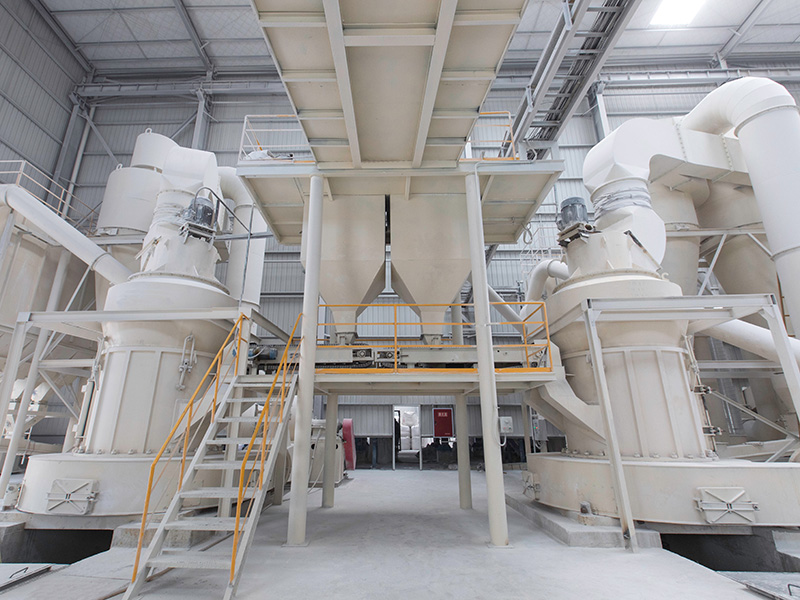
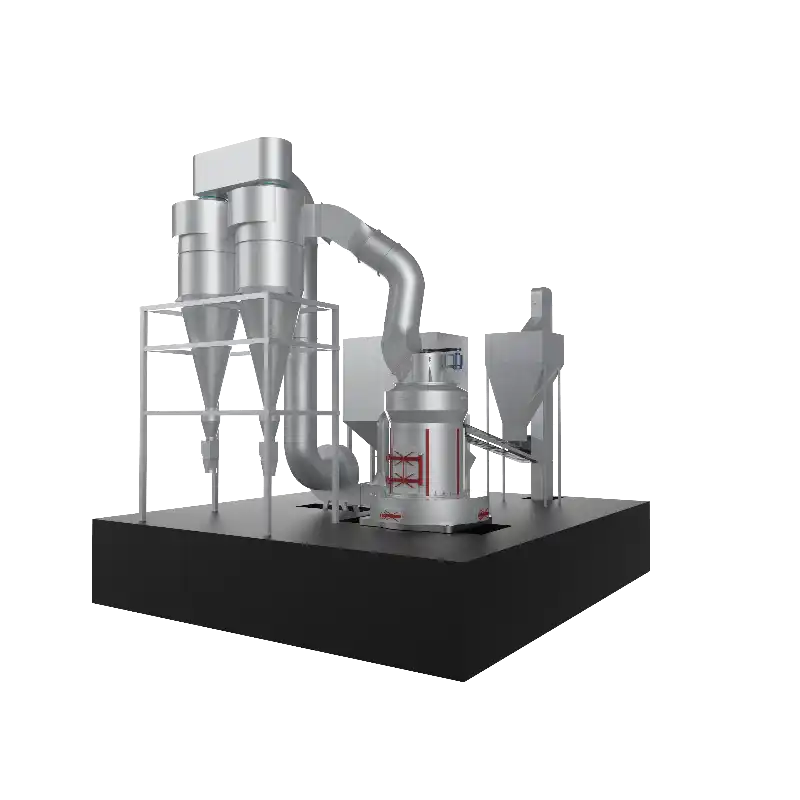
“Crushing → Grinding → Classifying → Powder Collection”: This streamlined process flow makes on-site operations simpler and highly efficient. The specific processing steps are as follows:
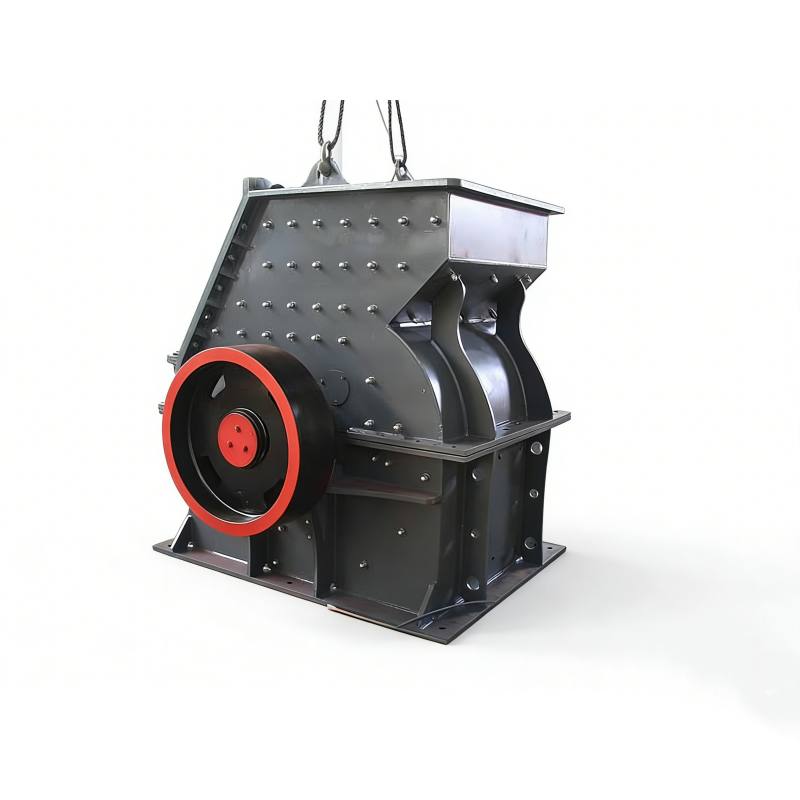
Crushing: Large lumps of talc are initially crushed by a jaw crusher to a size range of 15 mm to 50 mm.
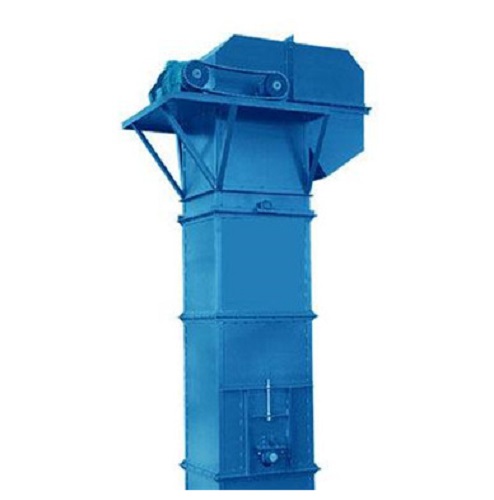
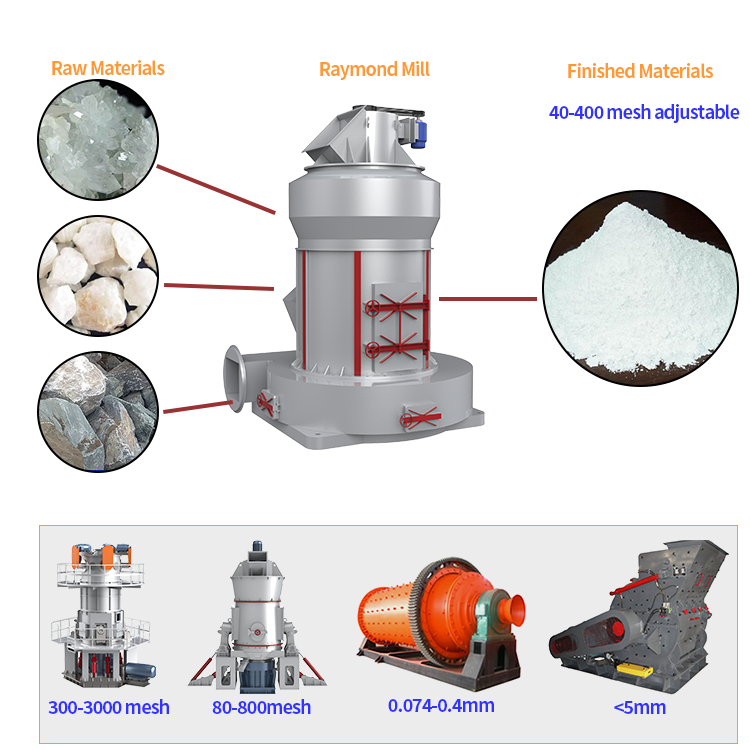
Grinding: The crushed talc fragments are transported upward and uniformly fed into a storage bin via a bucket elevator. An electromagnetic feeder then delivers a precisely measured quantity of material into a Raymond mill for grinding. At this stage, the fineness of the finished powder can be freely adjusted.
Classifying: The ground powder is screened by an air classifier; any powder that does not meet the required fineness specifications is returned to the main grinding unit for re-grinding.
Powder Collection: The qualified, finished talc powder—having passed the classification stage—is conveyed through a piping system into a dust collector for separation and collection. The final product can then be packaged into specialized powder tanker trucks or transferred into a finished product storage silo.
Advantages of the Talc Powder Production Line
High Degree of Automation
The Cronus talc grinding production line utilizes a PLC + touch screen control system to achieve automated coordination across all stages—from feeding, crushing, and grinding to classifying and packaging. This significantly minimizes the impact of human error and substantially boosts the production efficiency of talc powder. • The automated process of the talc grinding production line supports uninterrupted 24/7 operation. Characterized by high stability and high output, it is particularly well-suited for the large-scale, continuous, and stable production of talc powder.
Low Cost, High Return
Cronus independently handles the entire lifecycle—from R&D, manufacturing, and sales to installation and after-sales maintenance. By eliminating profit margins taken by intermediaries, we offer equipment with superior cost-effectiveness, resulting in a significant reduction in overall investment costs.
The modular design and highly efficient manufacturing processes of the talc production line minimize resource waste, effectively lowering both manufacturing and maintenance costs while shortening the project’s investment payback period.
High Efficiency and Productivity
Featuring highly automated controls and an integrated process design, the talc production line offers simple and intuitive operation. It allows for real-time adjustments to fineness and output, effectively meeting the demands of production scale-up.
The ultrafine Raymond mill utilized in the talc production line boasts an efficiency level twice that of air-jet mills or stirred mills, enabling higher production yields and consistent product fineness.
Client Testimonial
“We are currently producing talc powder with a fineness of 500–1000 mesh for packaging and sale. The equipment is performing excellently; more importantly, the production process strictly adheres to environmental protection regulations—both on-site emissions and dust control measures have fully met our expected standards. Our overall experience with the system has been highly satisfactory, and we look forward to continued cooperation with Cronus.”
FAQ