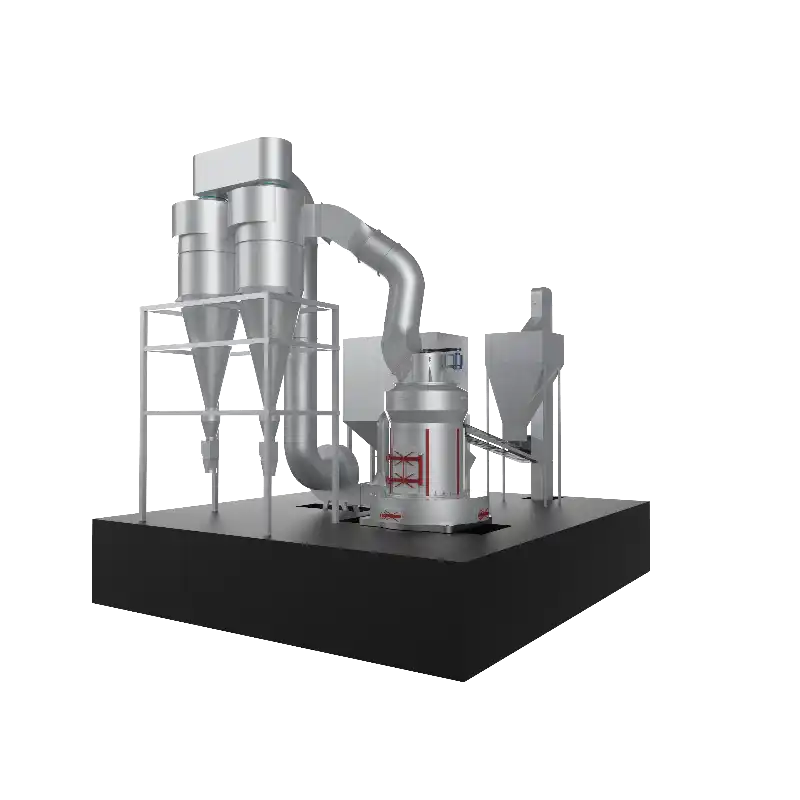

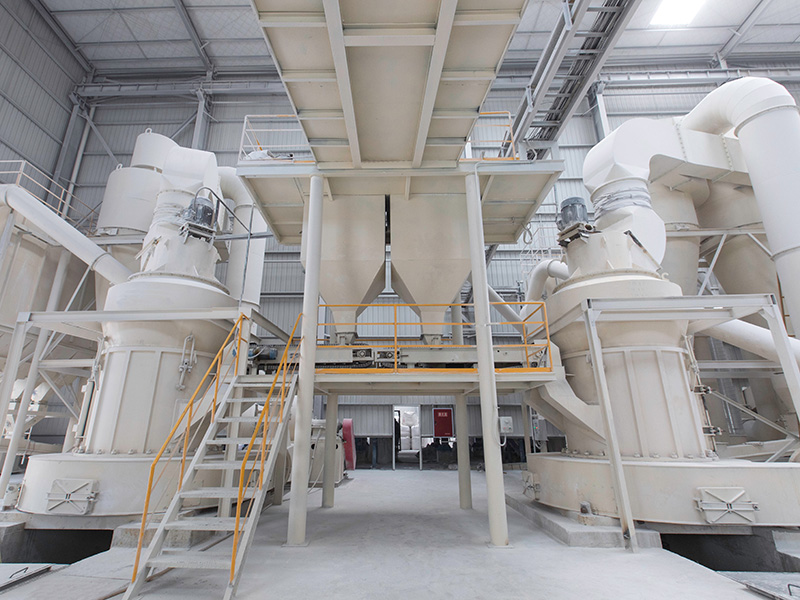
One of the most concerned issues for purchasers and operators is the type of stones that the Raymond mill can grind and the requirements. As a commonly used grinding equipment, it can handle a wide variety of materials, but not all stones can be ground. There are clear requirements for the particle size, hardness and moisture content of the materials. Only by understanding these can we avoid buying the wrong equipment or using the machine to prevent damage.
The stones that can be ground by Raymond mill and their requirements – control of grinding humidity
I. What kinds of stones can a Raymond mill grind? It covers over 280 kinds of materials
The Raymond mill has particularly strong adaptability. Whether it is natural ores or recycled materials, as long as they meet the requirements, they can be ground. Common ones include:
Non-metallic minerals: calcite, barite, limestone, dolomite, talc, potassium feldspar, kaolin, bentonite, quartz, marble, etc. These are all commonly used raw materials in industry. For instance, calcite ground into powder can be used in coatings and plastics, and barite powder is used in drilling mud.
Other materials: gypsum, phosphate rock, activated carbon, cement clinker, construction waste, insulation materials, glass fragments, etc. Among them, the recycling and reuse of construction waste is particularly practical. After being crushed and ground with a Raymond mill, it can be remade into concrete raw materials, which is both environmentally friendly and cost-effective.
For instance, limestone is one of the most frequently processed materials by Raymond mills. It can be ground into powder with a mesh size of 30-425, and 200 mesh, 325 mesh, and 800 mesh are the commonly used specifications. Among them, 325-mesh limestone powder is the most widely applied, indispensable in power plant desulfurization, concrete mixing plants, and the chemical industry.
Ii.Three Indispensable Core Requirements for Stone Grinding
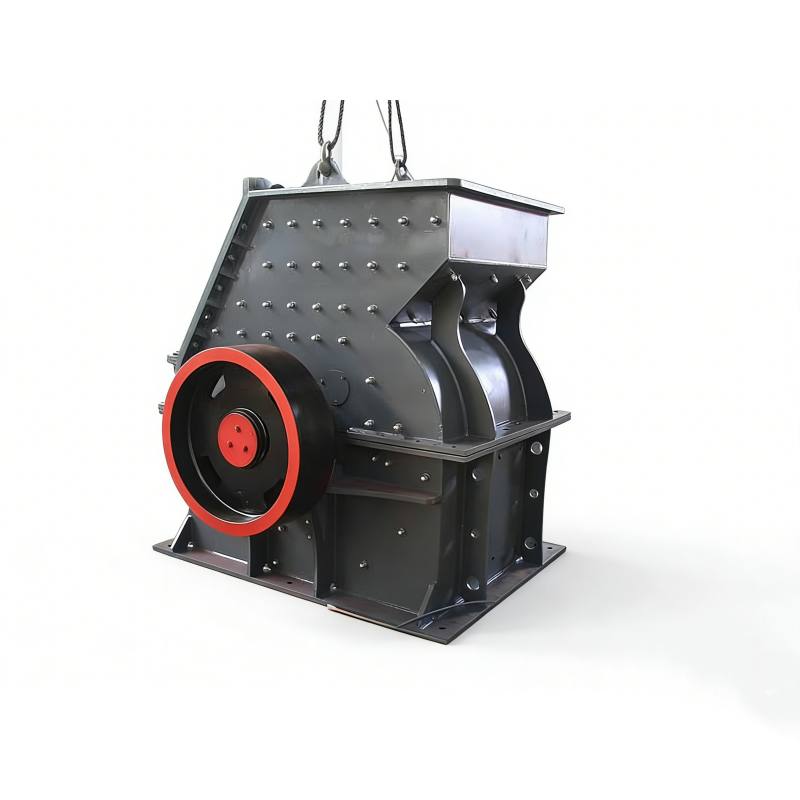
The size of the material particles: The feed particle size must be between 15mm and 35mm. For stones larger than this size, they must first be crushed by a jaw crusher to meet the requirements before feeding; otherwise, the feed port will be blocked and the equipment will be damaged. For instance, large pieces of limestone (with a diameter of 50mm) must first be crushed to less than 30mm before they can enter the Raymond mill.
Material hardness: Only non-flammable and non-explosive ores with a Mohs hardness of 9.3 or less can be ground. For stones with extremely high hardness such as granite and basalt, the Raymond mill cannot grind them and will severely wear the grinding rollers and grinding discs. More wear-resistant ultrafine mills or vertical mills are required.
Material moisture content: The moisture content must be controlled below 6%. This is because the grinding mill relies on wind force to screen and convey the powder. Materials with excessive moisture will clump together, not only unable to be ground finely but also clogging the pipelines and screening system. For instance, the clay used during the rainy season must be dried first and then ground; otherwise, production is simply impossible.
Iii. Tips for Handling Special Materials
For mixed materials like construction waste, which have complex components, unstable hardness and moisture content, the following points should be noted when handling them: Choose an upgraded version of Raymond mill (such as high-pressure suspension roller mill, European version mill). These types of equipment have large output, high efficiency, and the fineness of the finished product is more uniform, which can better adapt to mixed materials. In addition, before processing, it is necessary to sort first to remove metals and large impurities to avoid damaging the equipment.
If you are not sure whether the stone you want to grind can be ground with a Raymond mill or want to know the specific feed pretreatment plan, you can contact the professional technical team of Shanghai Cronus. They will provide targeted suggestions based on the nature of the material.
Overall, Raymond mills can process a wide variety of stones and have extensive applications. However, as long as the three requirements of particle size, hardness and humidity are well controlled, stable production can be achieved and the powder demands of different industries can be met.