
What is magnesium oxide?
Light-burned Magnesium oxide (chemical formula MgO), commonly known as periclase or magnesium oxide, is an inorganic compound composed of magnesium and oxygen. It belongs to the category of basic oxides and alkaline earth metal oxides. In nature, it occurs as the mineral periclase.
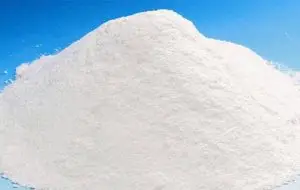
Light-burned Magnesium Oxide
Magnesium oxide, as a fundamental inorganic compound, plays an irreplaceable role in modern industry, agriculture, medicine and environmental protection fields due to its unique physical and chemical properties. It is one of the important materials connecting basic chemistry and applied technology.
- Light magnesium oxide: Loose in texture and highly reactive, used in rubber, plastics, pharmaceuticals, etc.
- Heavy magnesium oxide: Dense in structure and hard, used in refractory materials, ceramics, etc.
- Activated magnesium oxide: Highly chemically reactive, used as catalysts and adsorbents.
- Pharmaceutical-grade magnesium oxide: High purity, meets pharmaceutical standards, used in drug manufacturing.
Especially after chemical reactions, magnesium oxide becomes more voluminous and extremely light in weight.
Moreover, magnesium oxide has very high viscosity, which causes us great trouble in the processing.
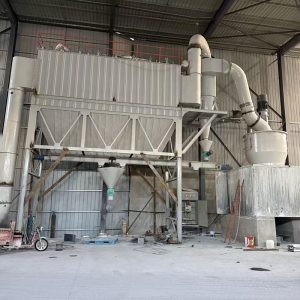
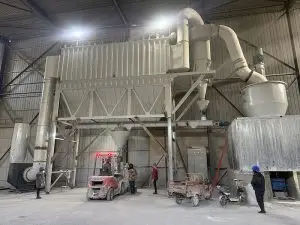
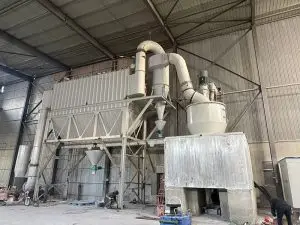
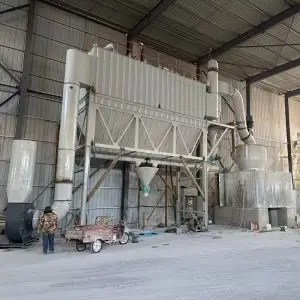
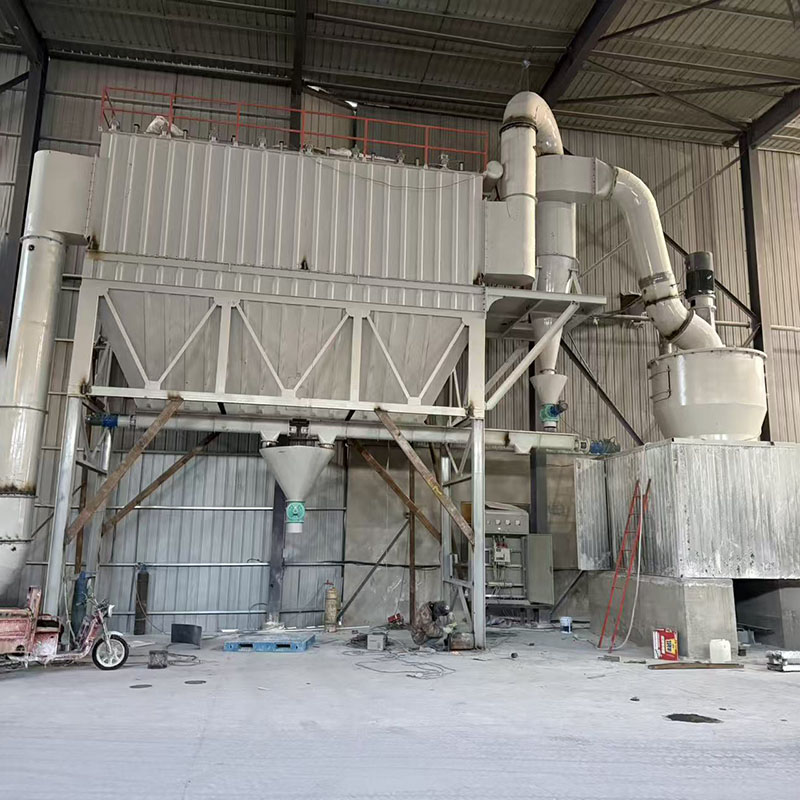
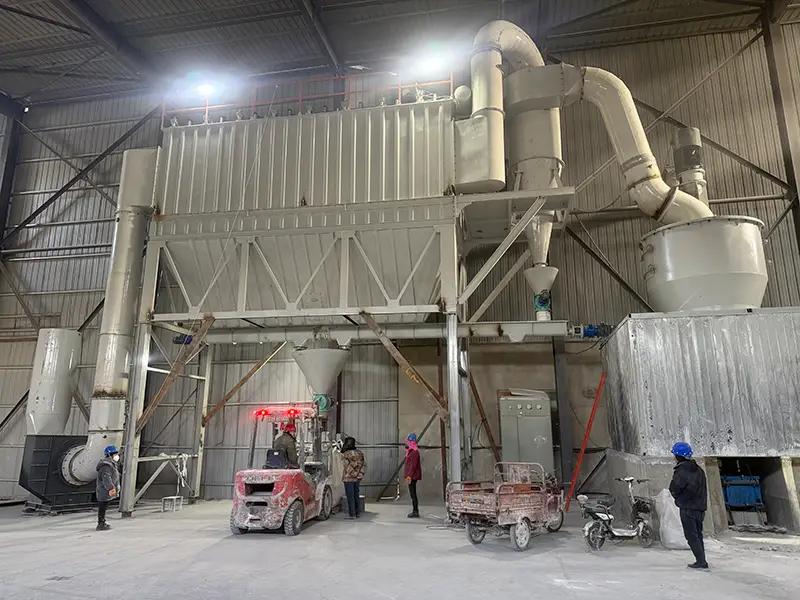
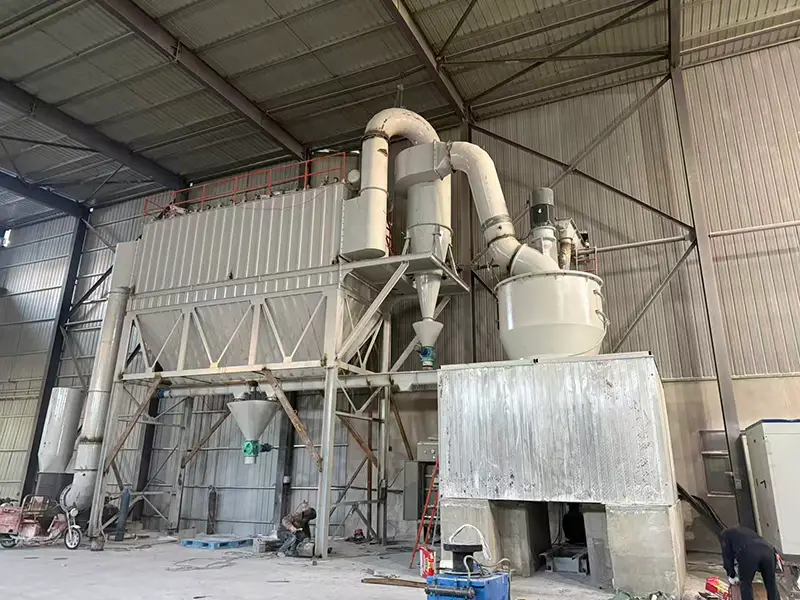
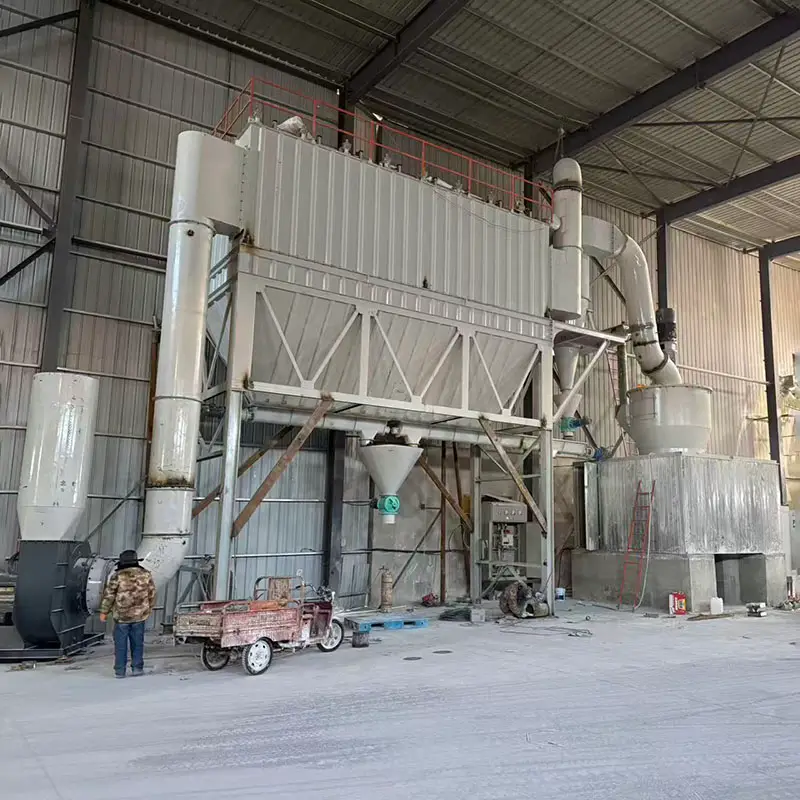
The biggest problem we encountered when configuring ultra-fine magnesium oxide production lines for customers is the feeding issue: uneven feeding and extremely low feeding volume.
At first, our engineers did not realize this problem because we did not fully understand the characteristics of magnesium oxide. Later, we disassembled all the machines to examine their operation. We found that magnesium oxide could enter the main grinder, but the feeding amount was extremely small, which was inconsistent with our configured screw conveyor. We then opened the screw conveyor and discovered a very serious problem: the material is highly fluffy. The screw conveyor can only convey the part of the material in contact with the screw blades, while most of the material sticks to the inner wall of the screw conveyor in a fluffy state and cannot form a stable thrust, making it impossible to push the material into the main grinder.
This forced us to replace it with a larger screw conveyor. In addition, we made some modifications to the blades of the screw conveyor to increase their contact area, thus successfully solving the feeding problem.
For the same reason, light-burned magnesium oxide has the same problem in product output. This phenomenon is mainly manifested in that the screw conveyor cannot completely convey the processed light-burned magnesium oxide powder, resulting in most of the powder accumulating in the dust collector.
Similarly, using the same approach as solving the screw conveyor problem, we also need to increase the processing capacity of the discharge valve to ensure the normal operation of calcium hydroxide production line.
By solving the feeding and discharging problems of the screw conveyor and increasing the processing capacity of the discharge valve, the light-burned magnesium oxide production line operates perfectly, winning high praise from customers.
Summary of experience in the production line of low-temperature calcined magnesium oxide:
1.Light-burned magnesium oxide is vastly different in properties from ordinary stones such as calcite and limestone. We cannot rely on past experience to manufacture equipment for it.
2.If we use the same equipment to process traditional materials, the output will be very high, such as 20 tons per hour. However, when used to produce light-burned magnesium oxide, the output may only be 8 to 10 tons per hour.
3.If we use the same equipment to process traditional materials, the output will be very high, such as 20 tons per hour. However, when used to produce light-burned magnesium oxide, the output may only be 8 to 10 tons per hour.
4.The light-burned magnesium oxide powder production line must undergo a thorough cleaning every 4 hours of operation, including the main grinding mill, the classifier of the grinding mill, and the pipeline system of the grinding mill.
5.If our magnesium oxide production line is shut down for an extended period, we must clean the equipment thoroughly.
6.Most importantly, remember that if we want to achieve higher output requirements, we cannot design the light-burned magnesium oxide production line with traditional design concepts. We must adopt larger equipment models at both the feeding and discharging ends to solve this problem.
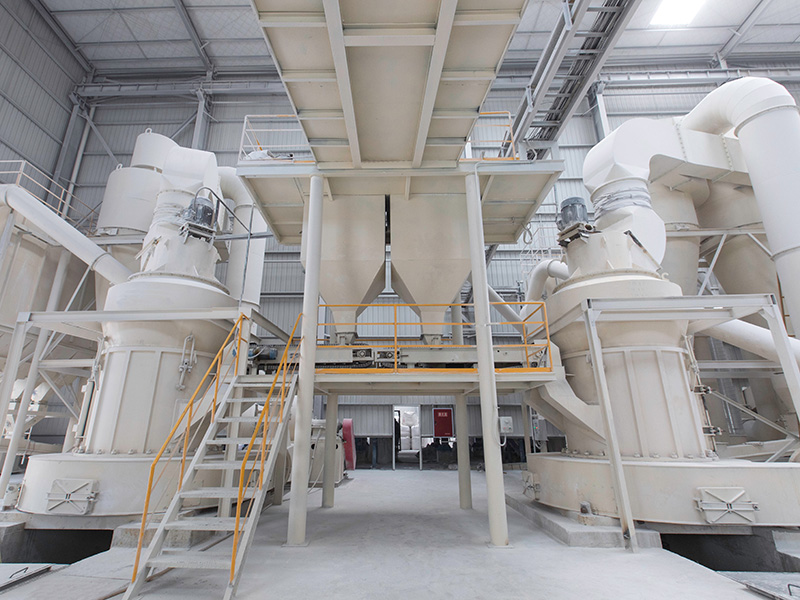
Schematic diagram of the production line for light-burned magnesium oxide