
Introduction to Molybdenum Ore
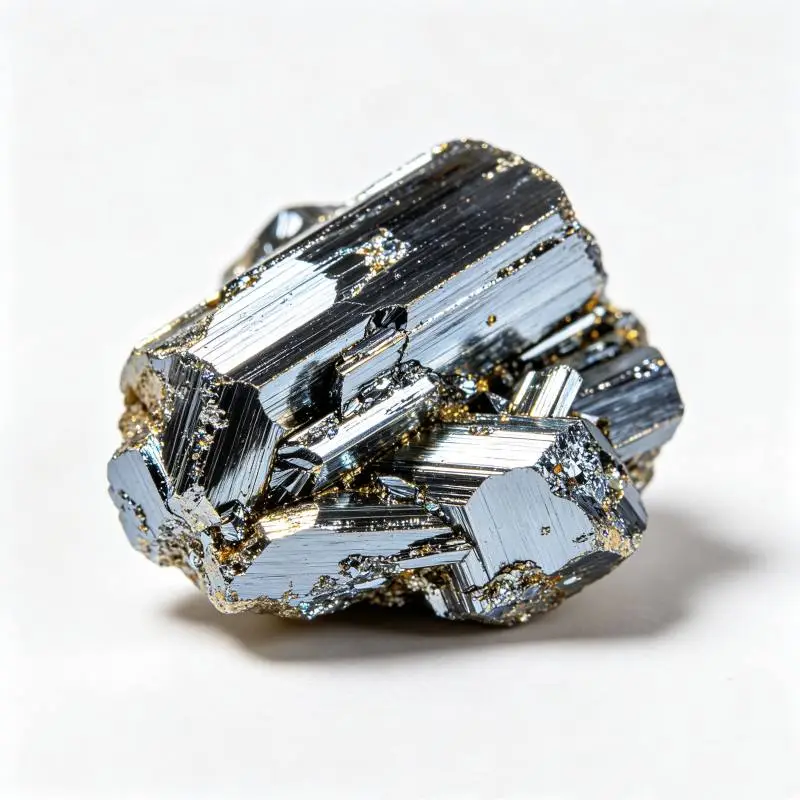
Molybdenum ore refers to mineral-bearing rock containing the element molybdenum. Common molybdenum minerals primarily include molybdenite, powellite, wulfenite, and molybdoscheelite. Among these, molybdenite and powellite serve as the principal ore minerals for molybdenum production. Molybdenum is a metallic element characterized by a high melting point, high strength, and excellent corrosion resistance; it is widely utilized across various sectors, including alloy manufacturing, electronics, petrochemicals, and aerospace.
In steel production, molybdenum acts as an additive that enhances the hardness and uniformity of steel. Furthermore, it plays a pivotal role in chemical industries—specifically in processes such as oxidative desulfurization, coking, and catalytic cracking. Currently, the world’s leading molybdenum-producing nations include China, the United States, Chile, Canada, Mexico, and Peru.
Molybdenum Ore Process Flow
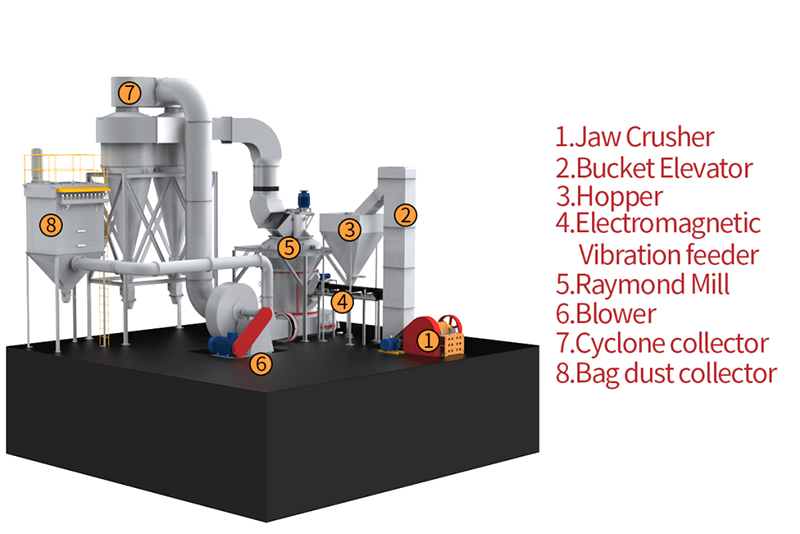
The milling process for molybdenum ore typically encompasses the following steps:
| Stage No. | Process Name | Process Description / Technical Operation | Main Applications & Explanation |
|---|---|---|---|
| 1 | Pretreatment | Physical or chemical treatment of raw ore to remove impurities, soil, surface attachments, etc., improving efficiency of subsequent operations. | Upgrade ore grade, reduce impurity interference, provide cleaner feed for crushing and grinding, ensure flotation recovery rate. |
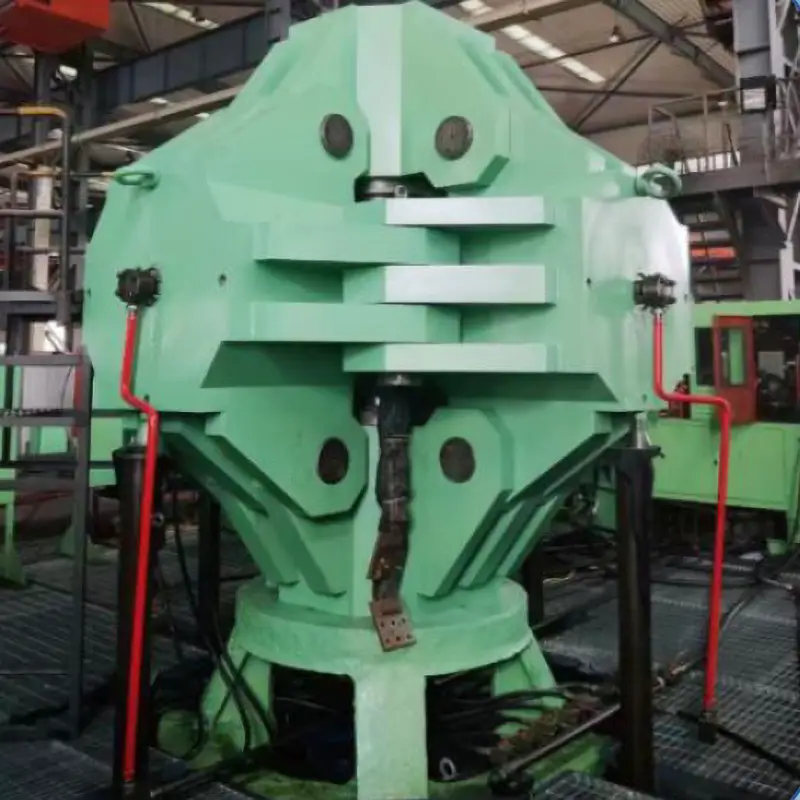
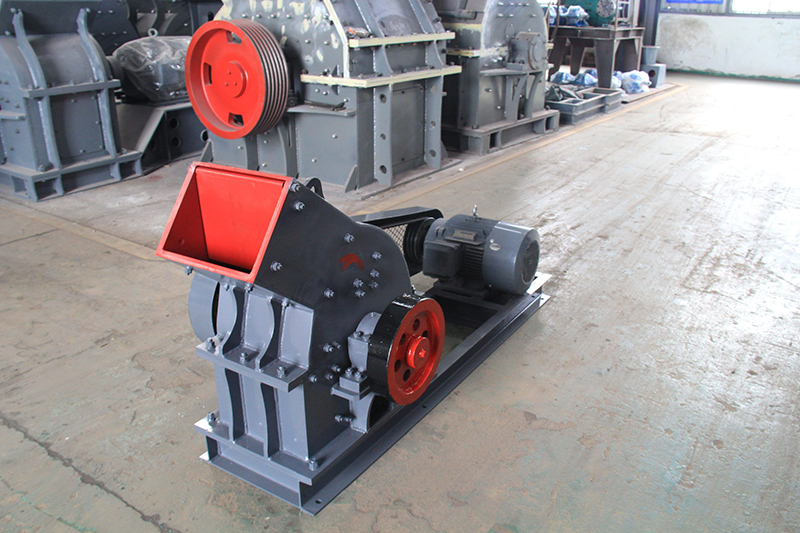
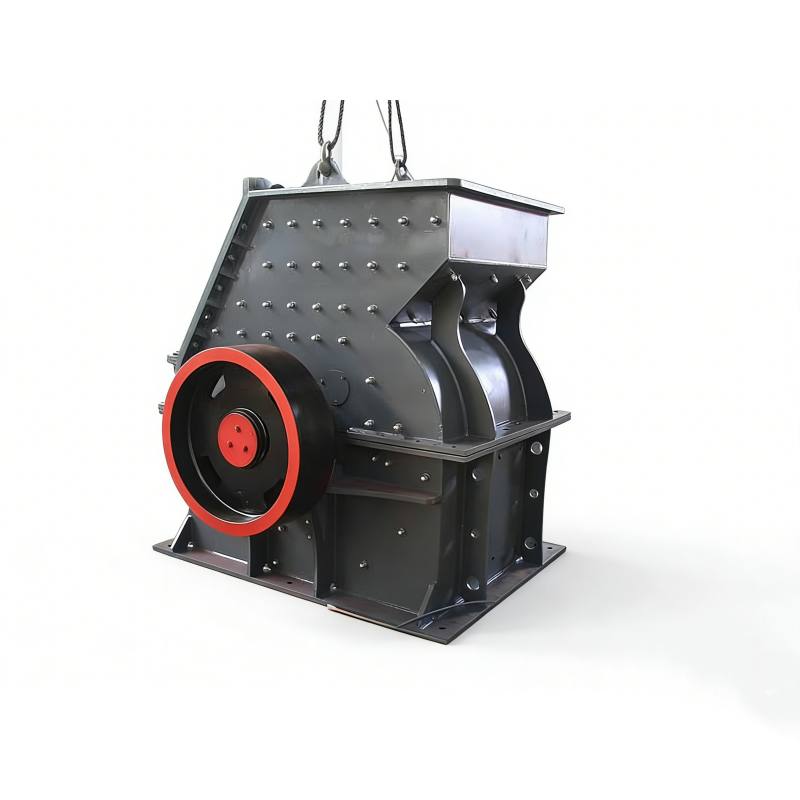
| 2 | Crushing | Raw ore is crushed into smaller pieces (typically <25mm) by jaw crushers, cone crushers, etc. | Increase specific surface area of ore, facilitate subsequent fine grinding, reduce mill energy consumption, improve overall processing capacity. |
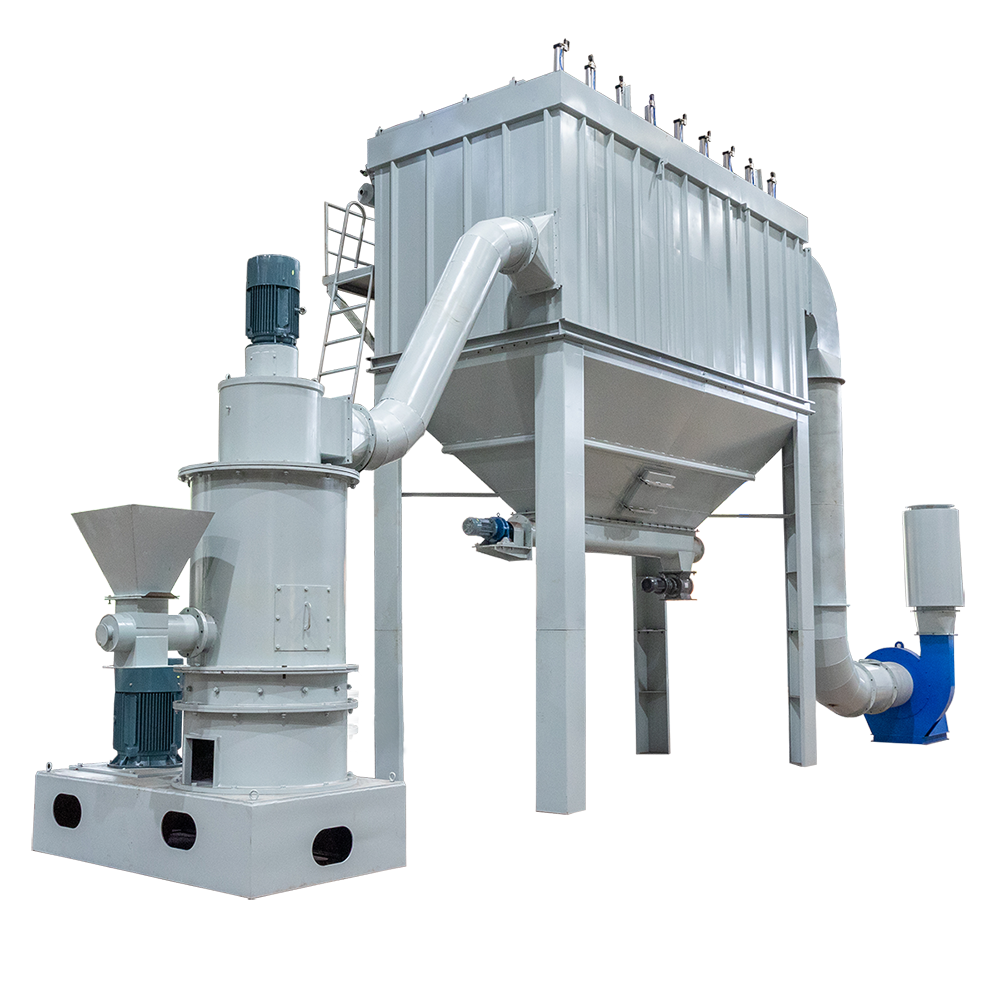
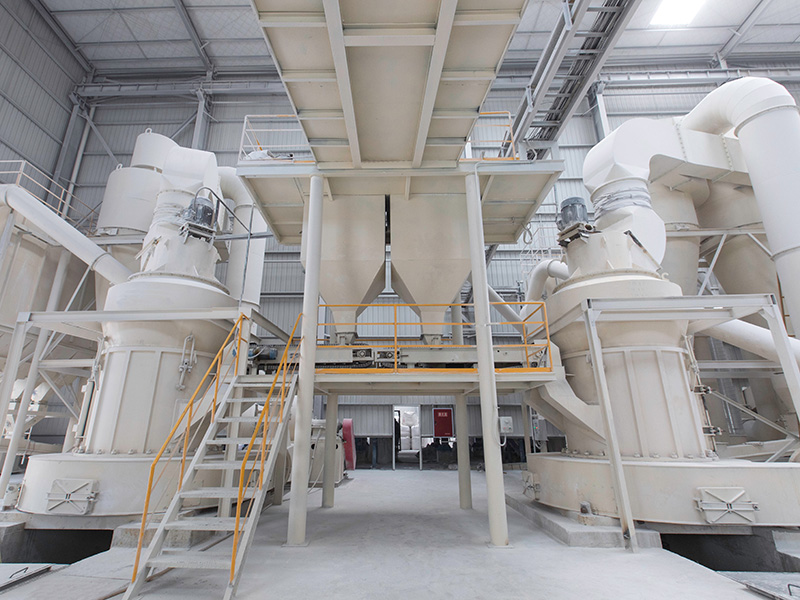
| 3 | Fine Grinding | Crushed ore is further ground by ball mills, rod mills or vertical mills to required powder size (typically 200 mesh or finer). | Fully liberate molybdenum minerals from gangue, create ideal conditions for flotation separation, ensure concentrate grade and recovery. |
| 4 | Classification | Ground slurry is classified by hydrocyclones, spiral classifiers, etc. according to particle size. Coarse particles return to regrind, qualified fines go to flotation. | Control uniform feed particle size, avoid over-grinding and under-grinding, optimize flotation performance, reduce reagent consumption, stabilize production. |
| 5 | Flotation | Through flotation equipment (flotation cells or columns), with addition of collectors, frothers, etc., molybdenum concentrate is separated and impurities such as sulfur, silicon, calcium are removed. | Obtain high-grade molybdenum concentrate (MoS₂, typically 45%-55% Mo), serve as raw material for subsequent metallurgy or chemical industry, enrich valuable metals. |
| 6 | Sintering (Roasting) | Molybdenum concentrate (molybdenum disulfide) is oxidized by roasting or sintering at high temperature to become molybdenum oxide (industrial molybdenum trioxide MoO₃). | Remove sulfur, obtain calcined molybdenum (technical molybdenum oxide) for subsequent reduction, steelmaking or production of molybdates, molybdenum catalysts, etc. |
| 7 | Smelting / Reduction | Molybdenum oxide (MoO₃) is reduced to molybdenum metal powder at high temperature (hydrogen reduction or carbon reduction), further processed by powder metallurgy or vacuum melting to produce molybdenum alloys, rods, plates, etc. | Produce molybdenum metal, molybdenum-based alloys (e.g., TZM alloy), molybdenum electrodes, high-temperature structural materials, electronic devices and key aerospace components. |
Molybdenum ore is a vital metallic ore, primarily composed of molybdates and sulfides. The following outlines the primary applications of molybdenum ore:
Alloy Production: Molybdenum is an essential constituent in the manufacture of steel and other metal alloys—such as stainless steel, high-speed steel, alloy steel, cobalt-molybdenum alloys, and nickel-molybdenum alloys—as it enhances the hardness, wear resistance, and corrosion resistance of these materials.
Electronics Industry: Molybdenum is extensively employed in the electronics sector as a critical material for manufacturing integrated circuits and display devices. It is also utilized in the production of various electronic components, including cathode ray tubes, thin-film resistors, capacitors, and vacuum tubes.
Catalysts: Molybdenum and its compounds serve as important chemical catalysts, utilized in the production of fertilizers, various chemical products, and other industrial goods.
Petrochemicals: Molybdenum has a wide range of applications within the petrochemical industry, where it is used to produce lubricant additives, general-purpose catalysts, desulfurization catalysts, and similar products.
Medical Devices: Molybdenum and molybdenum alloys are widely used in the manufacture of medical devices, such as artificial joints, dental implants, stents, and surgical needles.
Hard Materials: Tungsten-molybdenum cemented carbides—materials fabricated from molybdenum—exhibit exceptional hardness and wear resistance, making them ideal for the manufacture of cutting tools, grinding tools, and similar implements.
Nuclear Energy Industry: Molybdenum and its compounds constitute vital components of nuclear reactors, where they are utilized in the fabrication of structural materials and fuel elements for nuclear power generation. Overall, molybdenum ore finds extensive application in modern industrial production and scientific technology, making it a vital strategic metallic mineral resource.