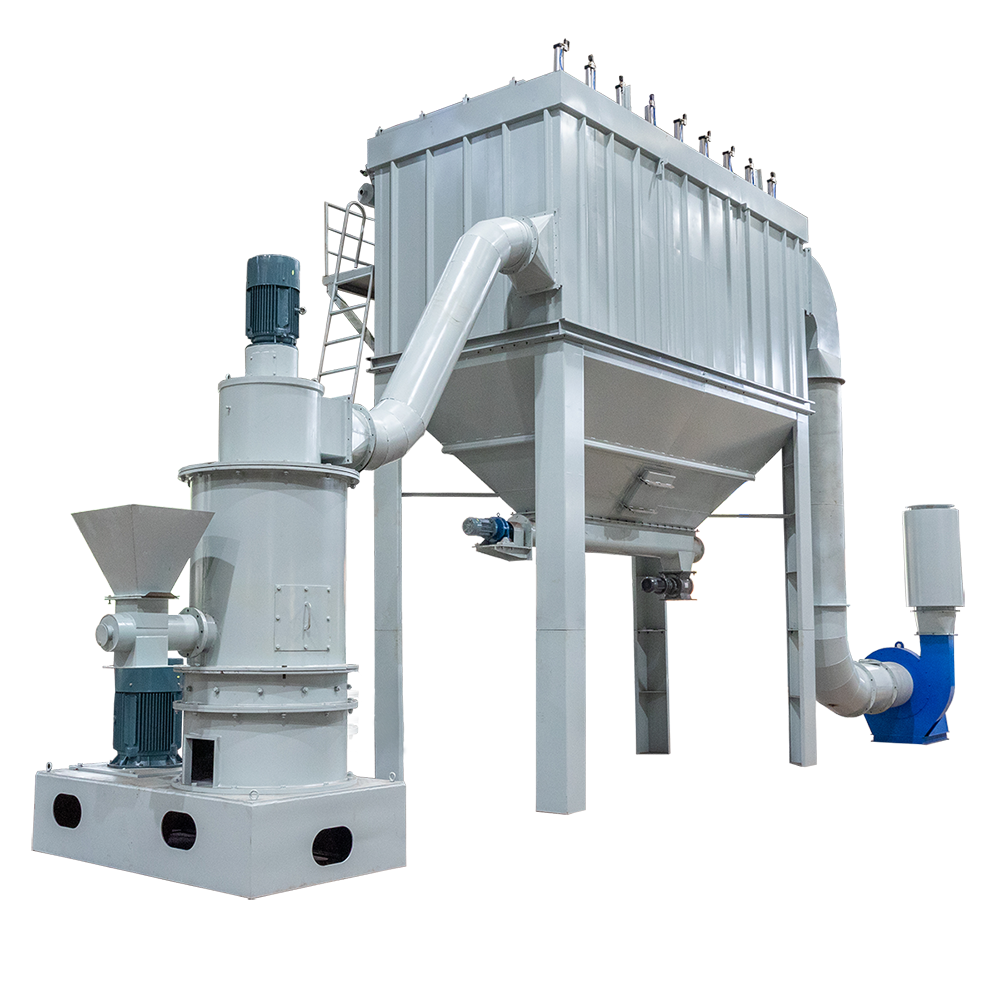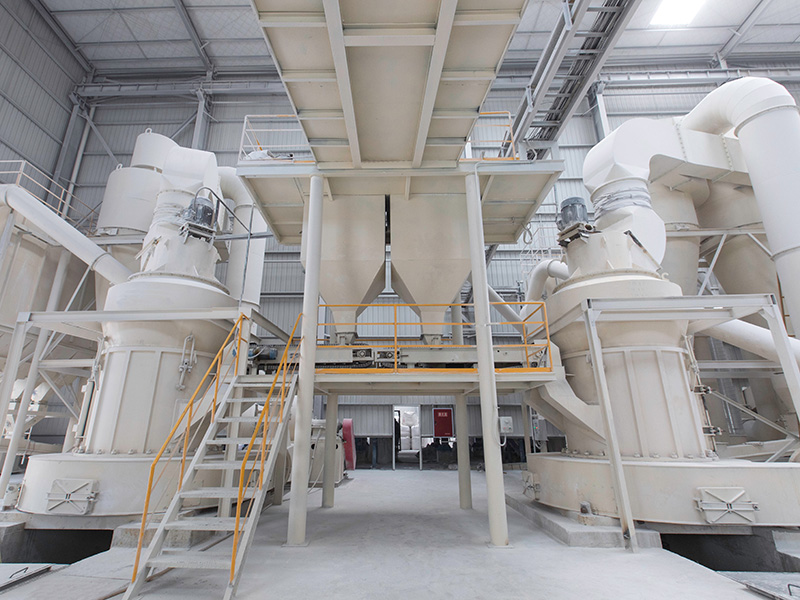

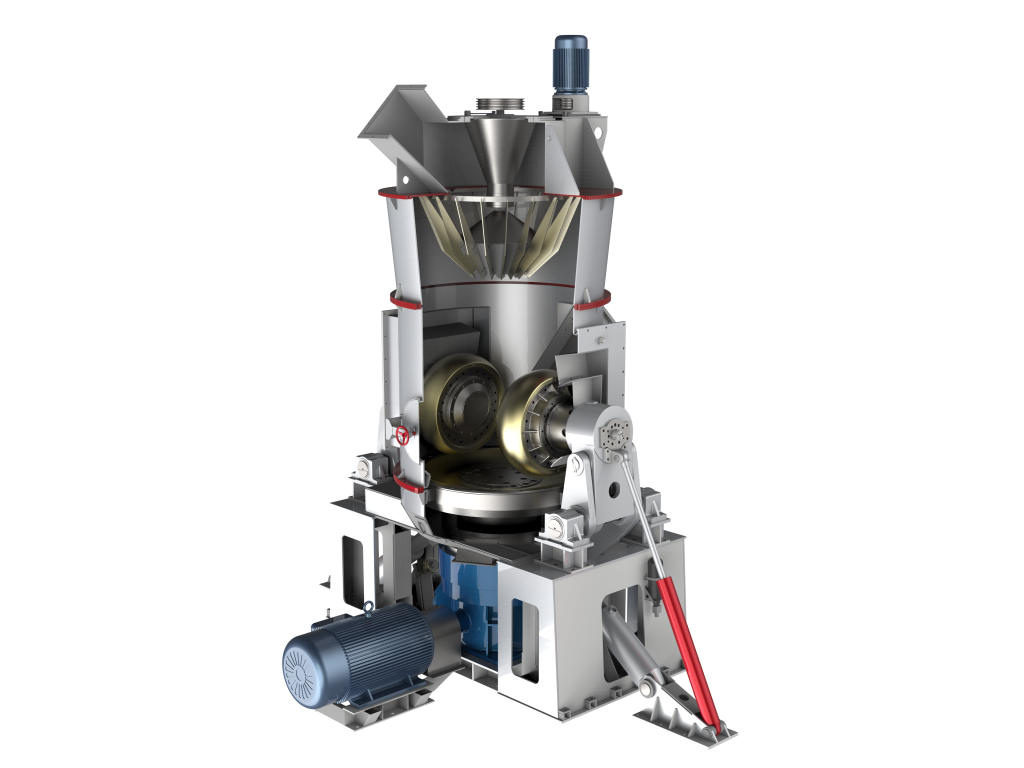
The gypsum vertical roller mill integrates four core processes into one single unit: drying, material bed grinding, dynamic classification and negative pressure dust collection. It can flexibly process various feedstocks including natural gypsum, flue gas desulfurization gypsum from power plants, and chemical phosphogypsum. The finished powder fineness ranges from 80 mesh to 600 mesh, fully meeting production standards for construction gypsum, cement retarders, industrial fillers and other end products.
Compared with ball mills and traditional Raymond mills, this vertical mill cuts comprehensive energy consumption by 30%–50%. The whole system operates under fully sealed negative pressure, ensuring stable dust emission compliance. It serves as the core equipment for resource utilization of gypsum solid waste and green building material production lines.
Existing Bottlenecks of Conventional Gypsum Milling Lines
Natural gypsum, desulfurization gypsum and phosphogypsum differ greatly in moisture content, viscosity and corrosiveness. Outdated milling technologies struggle to balance large-scale output, low energy consumption and stable high product quality, with specific pain points listed below:
Poor handling capacity for high-moisture materials Desulfurization gypsum normally carries free moisture of 10%–15%. Ordinary Raymond mills and ball mills frequently suffer from material coating and blockage when processing wet raw materials, requiring separate standalone drying equipment. This increases capital investment and extends the overall production flow.
Unstable finished powder fineness Impact-based crushing generates a wide particle size distribution mixed with coarse and ultra-fine particles, resulting in unstable gypsum activity. It fails to meet strict precision requirements for high-end gypsum boards and cement retarders.
High power consumption & heavy maintenance costs Ball milling relies on steel ball collision crushing which consumes massive electricity and creates invalid abrasion. Wear-resistant spare parts wear out rapidly, forcing frequent shutdowns for maintenance and disabling long-term full-load continuous operation.
Severe dust leakage & equipment corrosion Most traditional mills run under positive pressure, causing dust leakage into workshops. Meanwhile, gypsum contains acidic substances that continuously erode the mill body, air ducts and components, shortening equipment service life.
Limited single-unit output Older milling machines feature low hourly capacity, unable to satisfy large-scale projects for power plant desulfurization gypsum disposal and comprehensive phosphogypsum recycling.
How Vertical Roller Mills Solve the Above Pain Points
The core working principle of gypsum vertical mills is static pressure extrusion grinding via material beds, which is fundamentally different from impact crushing. One single machine accomplishes drying, grinding, classification and dust collection in one pass, directly processing high-moisture raw materials to produce qualified finished powder in a single cycle.
Variable Frequency Feeding & Uniform Material Spreading
Raw materials are pre-crushed below 50 mm first, then delivered to the center of the grinding table via an air-locked variable frequency feeder. Centrifugal force generated by rotating grinding tables evenly spreads materials into a stable material bed, eliminating idle abrasion caused by direct hard impact of grinding rollers.
Hydraulic Stabilized Pressure Grinding
Multiple sets of hydraulically suspended grinding rollers apply constant pressure of 0.6–1.0 MPa on the material bed for crushing via extrusion and shearing. Gypsum features low Mohs hardness and brittle texture, making this grinding mode highly efficient with ideal powder forming effect.
Synchronous Grinding & Drying for Dehydration
Hot air at 160–220°C is injected into the mill bottom to realize simultaneous grinding and dehydration. Even desulfurization gypsum with 15% moisture can be processed directly. Free moisture of finished products is steadily controlled below 0.5%, producing qualified hemihydrate gypsum without extra independent dryers.
Dynamic Classifier for Precise Fineness Control
Ground particles rise with hot air to the top-mounted dynamic classifier. Operators adjust classifier rotating speed to accurately regulate finished fineness within 80–600 mesh. Qualified fine powder flows into the dust collection system with airflow, while oversized coarse particles fall back to the grinding table for regrinding, forming a closed-loop production cycle.
Fully Sealed Negative Pressure Dust Collection
The entire system runs under negative pressure, paired with high-efficiency pulse bag dust collectors for high dust recovery rate with nearly zero dust leakage. Exhaust gas discharge complies with industrial environmental standards to maintain clean workshop conditions.
Core Advantages of Gypsum Vertical Roller Mill Lines
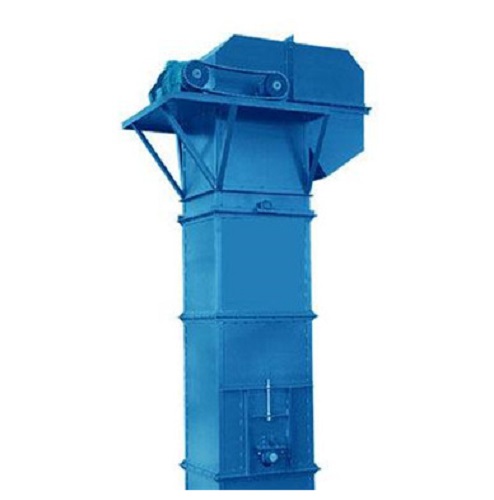
Integrated Design Reduces Capital Investment Drying, grinding, classification and conveying functions are integrated into one main unit. Auxiliary equipment including separate dryers, bucket elevators and multi-stage cyclones are no longer required. Floor space is reduced by around 40%. It significantly cuts infrastructure and labor costs for both new production lines and old line retrofits.
Static Pressure Grinding Lowers Operation Costs Material bed extrusion grinding reduces unit power consumption by 40%–50% compared with traditional impact crushing. Energy consumption can be further lowered if waste heat from power plants is adopted as hot air source. Grinding rollers and tables are manufactured with corrosion-resistant high-chromium alloy to resist acid erosion from gypsum, extending component replacement cycle by approximately twice and cutting maintenance downtime drastically.
Wide Raw Material Compatibility & Flexible Working Condition Switching One machine supports three mainstream feedstocks: natural gypsum, desulfurization gypsum and phosphogypsum. Operators only need minor adjustments to hot air temperature, roller pressure and classifier speed to adapt to dry materials or high-moisture solid waste.
Concentrated Particle Size Distribution & Stable Product Quality Material bed grinding delivers evenly sized powder without oversize grains or fine powder agglomeration. Stable powder flowability and activity enable consistent production of standard-compliant construction gypsum, cement retarders and industrial fillers.
High Automation, Eco-friendly, Low Noise & Easy Maintenance The complete line is equipped with a PLC automatic control system. Key parameters including feeding rate, air temperature, air pressure, classifier speed and roller pressure are automatically adjusted in real time. Only 1–2 on-site operators are required. Operating noise is controlled below 80 dB, and sealed negative pressure operation eliminates dust leakage, meeting environmental requirements for factories and surrounding residential areas.
Standard Production Flow Chart
Raw Material Preprocessing → Sealed Variable Frequency Feeding → Simultaneous Drying & Grinding in Vertical Mill → Dynamic Classification & Separation → Bag Dust Collection for Finished Powder → Finished Silo Storage → Automatic Packaging & Warehousing
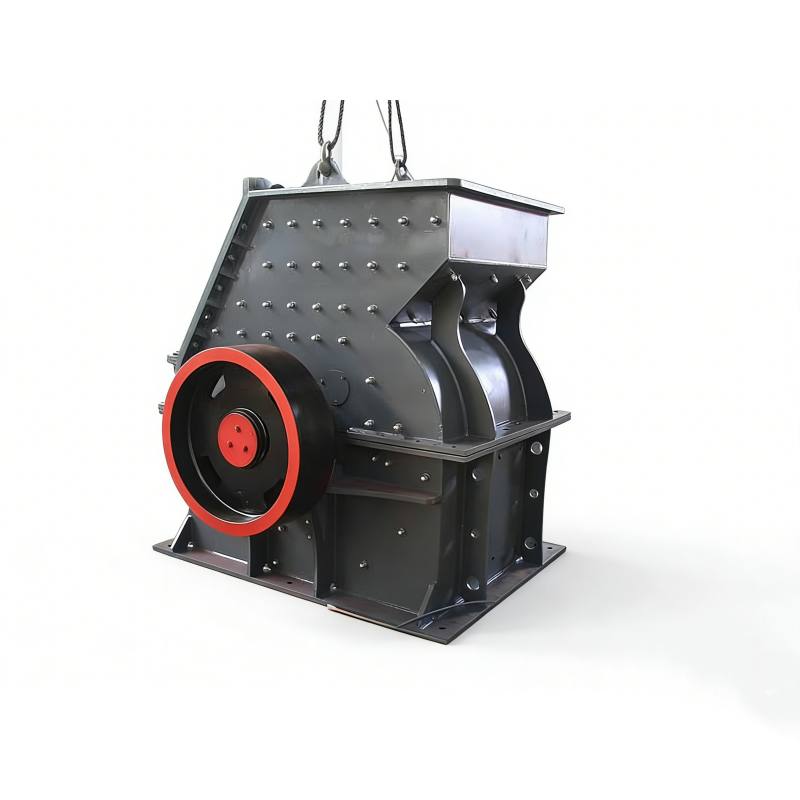
Preprocessing Large gypsum lumps are crushed below 50 mm by jaw crushers, with simultaneous impurity removal and homogenization to guarantee uniform particle size of mill feedstock.
Sealed Feeding & Grinding Air-locked variable frequency feeders deliver stable raw material supply. Hot air drying and grinding proceed synchronously inside the mill to complete dehydration and pulverization of wet materials in one step.
Closed-Loop Dynamic Classification Qualified fine powder is separated and discharged with airflow; unqualified coarse particles automatically fall back to the grinding table for regrinding, forming zero-waste closed-loop production.
Finished Powder Collection & Exhaust Treatment Qualified gypsum powder is precisely captured by bag dust collectors. Filtered clean exhaust gas is discharged in compliance with environmental regulations.
Storage & Packaging Finished powder is conveyed airtight to storage silos, then packed into bulk bags or small bags via automatic packaging machines before warehousing.
Application Fields of Processed Gypsum Powder
Gypsum powder processed by vertical roller mills features stable quality and higher added value, widely applied in the following sectors:
Construction & Building Materials: Paper-faced gypsum boards, plastering gypsum, gypsum moldings, gypsum blocks, lightweight thermal insulation materials
Cement Industry: Substitute natural gypsum as cement retarder to stably control cement setting time
Industrial Fillers: Functional filling material for coatings, rubber, plastics to improve product stability and weather resistance
Solid Waste Recycling: Harmless treatment and resource reutilization of power plant desulfurization gypsum and chemical phosphogypsum to relieve solid waste stockpiling pressure
Soil Improvement for Agriculture: Conditioner for acidic soil to regulate pH value and supplement calcium, sulfur and other trace elements
Equipment Selection Reference
Different specifications of gypsum vertical mill production lines are available based on raw material type, hourly capacity demand, finished fineness and application scenarios:
表格
| Project Type | Equipment Model | Hourly Output | Finished Powder Fineness |
|---|---|---|---|
| Small Processing Plant / Mortar Production Line | Mini Gypsum Vertical Mill | 5–20 t/h | 80–325 mesh |
| Medium-Size Gypsum Board Factory / Cement Plant Auxiliary Line | Medium Vertical Roller Mill | 20–80 t/h | Construction gypsum powder, cement retarder powder |
| Large Power Plant / Chemical Solid Waste Disposal Project | Large-Scale Gypsum Vertical Roller Mill | 100–400 t/h | Desulfurization gypsum & phosphogypsum resource treatment |
| High-End Ultra-Fine Filler Production | Ultra-Fine Vertical Mill | Customized | 600–1250 mesh |