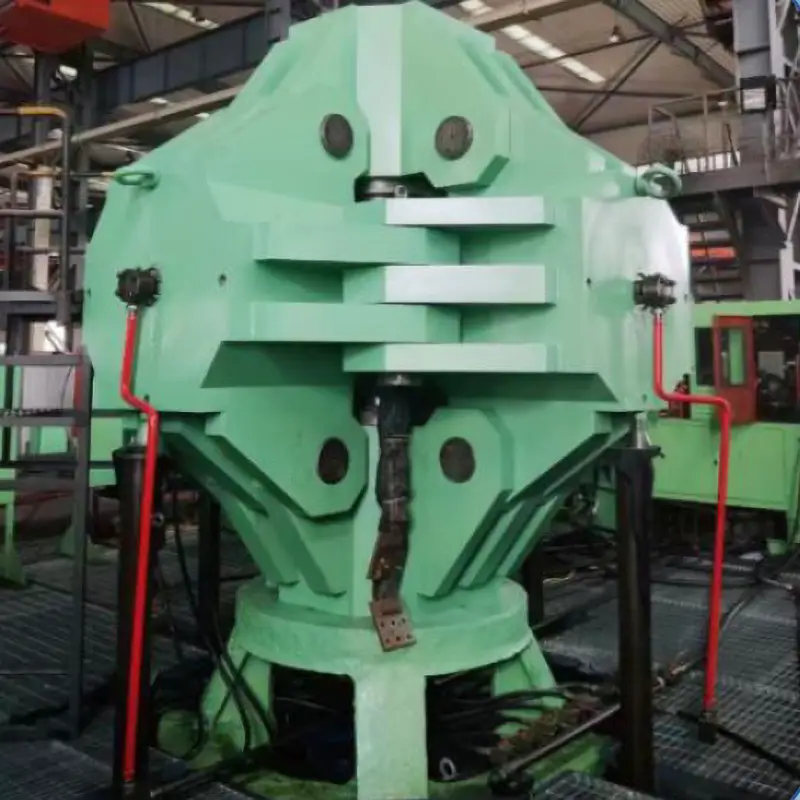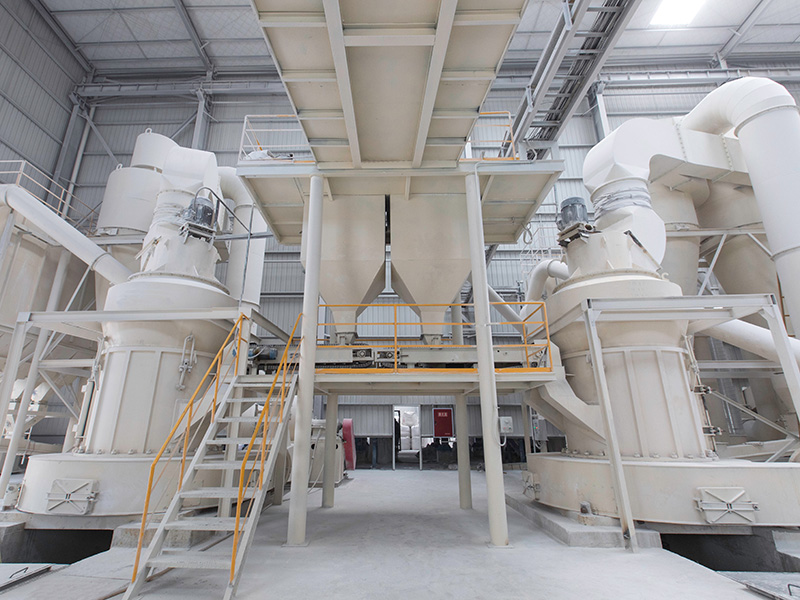

The Raymond mill is a widely used grinding machine for processing non-metallic minerals such as limestone, calcite, marble, bentonite, kaolin, and putty powder. Here’s how it works, from raw ore to finished powder.
I. Detailed Raymond Mill Workflow
A Raymond mill production line is a complete closed-loop system. The overall grinding process can be broken down into the following key stages:
1. Raw Material Crushing and Conveying
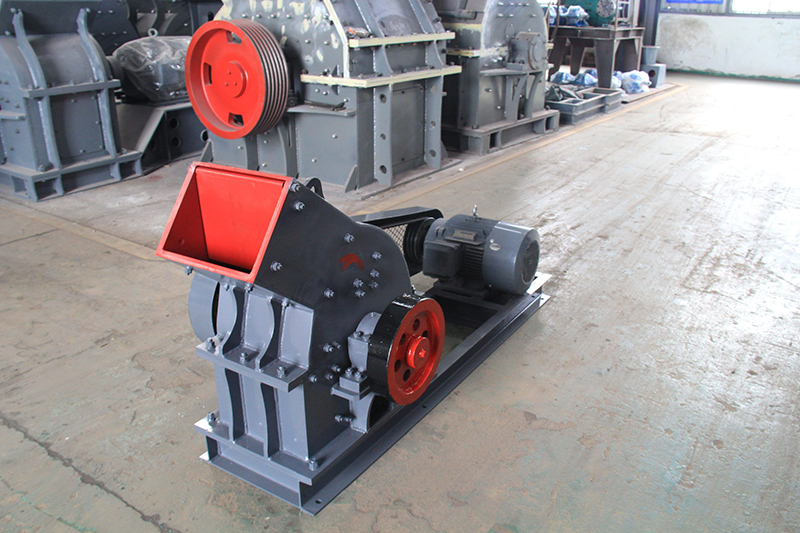
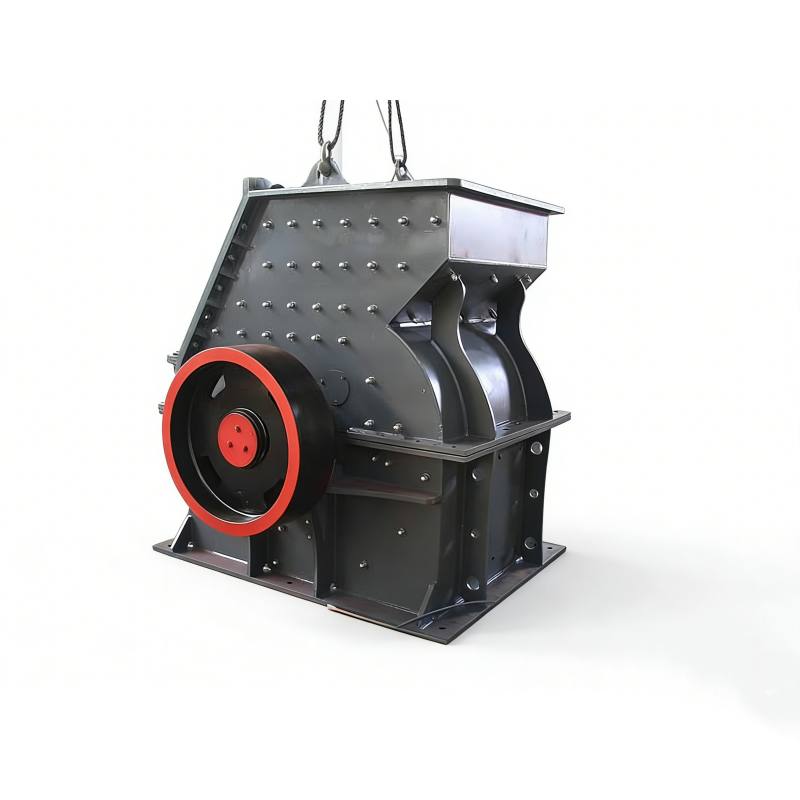
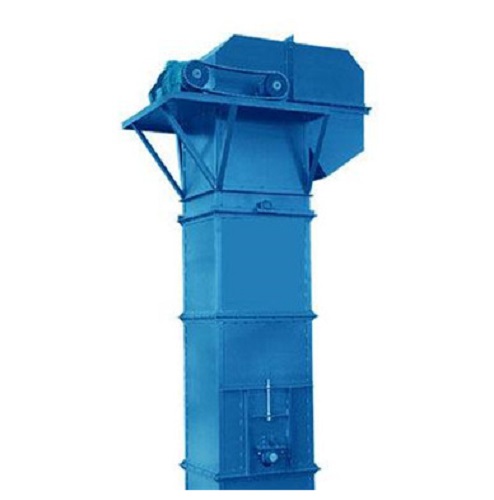
Large ore raw materials first go through a jaw crusher for initial crushing, reducing them to a size of less than 30mm to meet the feed size requirement of the Raymond mill. The crushed material is then lifted by a bucket elevator into a storage hopper, and from there a belt feeder delivers it into the mill’s grinding chamber at a controlled, even rate, preparing it for the grinding stage.
2. Main Unit Grinding — The Core Process of the Raymond Mill
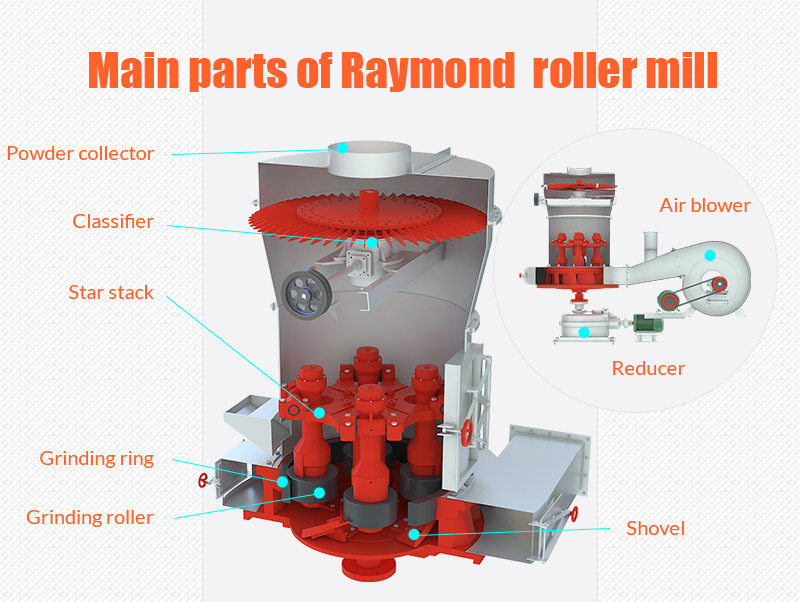
Once the material enters the grinding chamber, the actual “grinding” process begins. Inside the main unit, four grinding roller assemblies, supported on a plum-blossom-shaped frame, rotate at high speed around the central shaft. Centrifugal force causes the rollers to swing outward and press firmly against the grinding ring. At the same time, a shovel blade scoops up the material and throws it into the gap between the rollers and the ring, where it is crushed into fine powder through impact and rolling pressure. This stage is the core process that determines the fineness and output of the finished product.
3. Air Conveying and Classification/Screening
The fine powder produced during grinding is carried by airflow generated by a blower up to the classifier (analyzer) mounted above the main unit for grading and screening:
Particles that are too coarse and fail to meet the fineness requirement fall back into the main grinding chamber for re-grinding. Particles that meet the fineness requirement pass through the classifier along with the airflow and move on to the twin cyclone collector.
This “classify—re-grind” cycle ensures the consistency and stability of the finished powder’s fineness.
4. Finished Product Collection and Air Circulation
After qualified fine powder enters the twin cyclone collector, it undergoes air-powder separation, settles, and is discharged as the final finished product. The purified airflow is then returned to the blower through a return air duct, forming a closed-loop circulation that is reused to convey material—both energy-efficient and environmentally friendly. Any excess air in the system passes through a surplus air duct into a pulse dust collector, where it undergoes further separation and purification before being discharged into the atmosphere in compliance with environmental standards, ensuring the entire Raymond mill production line meets dust emission requirements during operation.
II. Components of a Raymond Mill Production Line
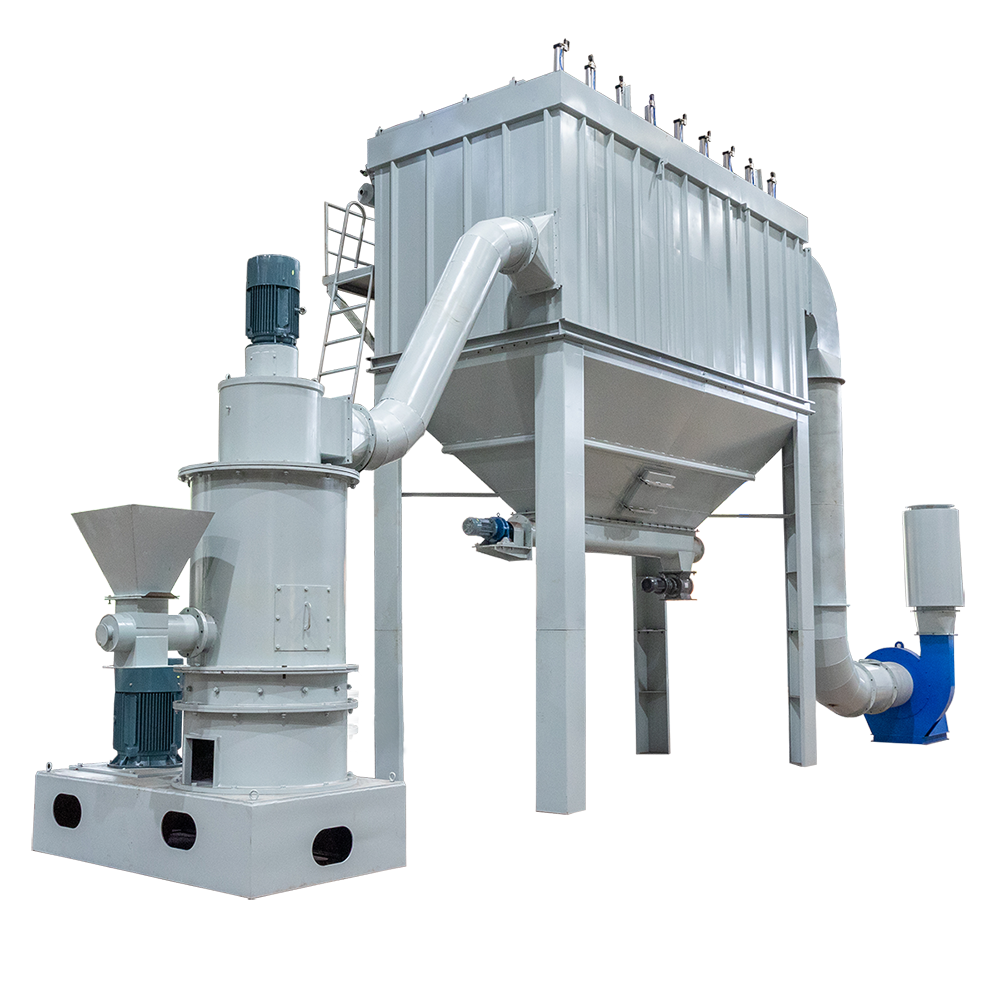
A complete Raymond mill production line typically includes:
Main unit (the core grinding component) Blower (provides airflow power) Analyzer (classification and grading device) Dust collector / pulse collector (environmental purification equipment) Powder collector (twin cyclone collector, for finished product collection) Tees, straight pipes, elbows, and other connecting ductwork
In addition, users can select supporting equipment based on actual production needs, such as a jaw crusher, bucket elevator, storage silo, electromagnetic vibrating feeder, mixer, and packaging machine, to achieve an integrated production process from ore crushing all the way to finished product packaging.
III. Raymond Mill Processing Fineness and Applicable Materials
One major advantage of the Raymond mill is that its fineness is easy to adjust, with a processing fineness range covering 80–400 mesh, meeting the differentiated fineness requirements of various industries and application scenarios. Applicable materials include, but are not limited to:
Limestone Calcite Marble Bentonite Kaolin Heavy calcium carbonate powder Putty powder
How Is Fineness Adjusted?
The fineness of the finished product from a Raymond mill is mainly adjusted in two ways:
- Adjusting the blower’s air volume — the larger the air volume, the faster the fine powder is carried to the classifier, resulting in relatively coarser fineness.
- Adjusting the rotation speed of the analyzer (classifier) — the higher the speed, the more precise the classification, and the finer the finished product.
In actual production, air volume and rotation speed can be flexibly combined and adjusted according to the required product fineness to achieve the ideal grinding effect.
IV. Common Fault Troubleshooting and Routine Maintenance for Raymond Mills
Over long periods of operation, a Raymond mill may inevitably experience unstable running conditions. When the equipment is not operating normally, the following areas should be carefully checked:
Check for any air leakage points, especially around negative-pressure areas (such as the main unit’s inlet/outlet and pipe connections), which require thorough and careful inspection — air leaks directly affect the internal airflow circulation and can cause fineness to fall short of requirements or output to drop. Check the wear condition of easily worn parts such as the grinding rollers and grinding ring, and replace them promptly to avoid affecting grinding performance. Check whether the connecting ductwork and seals show signs of aging or looseness.
Good daily inspection and maintenance habits are key to ensuring the long-term stable operation of the Raymond mill and extending its service life.
V. How to Choose the Right Raymond Mill
When purchasing a Raymond mill, many buyers fall into the trap of focusing solely on price while overlooking more important factors, such as:
Whether the equipment’s processing fineness and output can meet actual production needs The manufacturing quality of the equipment and the wear resistance of core components (grinding rollers, grinding ring) Whether after-sales service and parts supply are reliable Whether the equipment is equipped with a comprehensive dust removal and environmental protection system
The quality and performance of the equipment directly determine future production efficiency, product quality, and maintenance costs. Therefore, when purchasing a Raymond mill, it is advisable to comprehensively consider equipment performance, manufacturer reputation, and after-sales service, rather than using price as the sole criterion.
Conclusion
As a widely used piece of equipment in the field of non-metallic mineral grinding, the Raymond mill plays an important role across the building materials, chemical, and environmental protection industries, thanks to its mature process workflow, flexible fineness adjustment capability, and broad range of applicable materials. Understanding the Raymond mill’s workflow and maintenance essentials not only helps improve production efficiency but also provides valuable guidance for equipment selection and purchasing decisions.