
In the powder processing industry, air classifying mills are frequently inquired about yet often misunderstood. Many buyers struggle to decide which mill to purchase or whether the equipment can produce powder of their target fineness. This guide breaks down core knowledge of such machinery in plain language to help you avoid costly mistakes during equipment selection.
I. What Is an Air Classifying Mill?
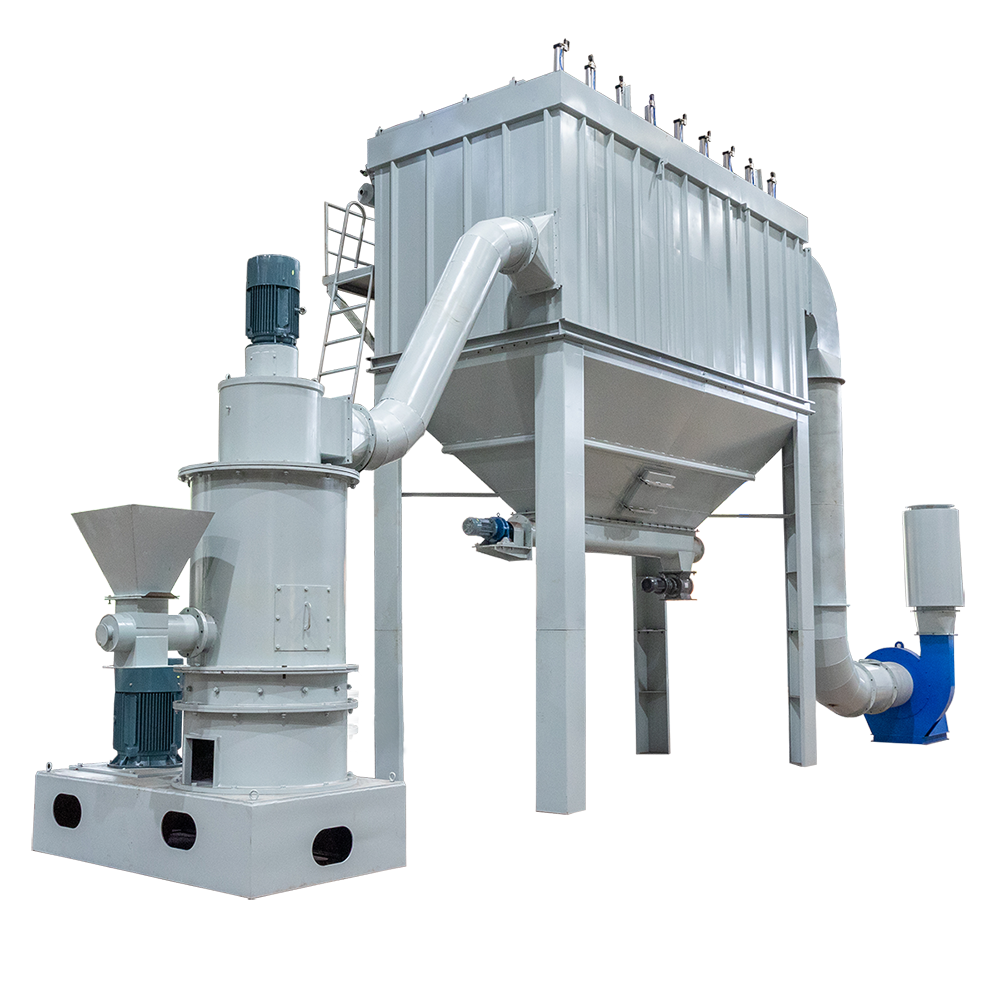
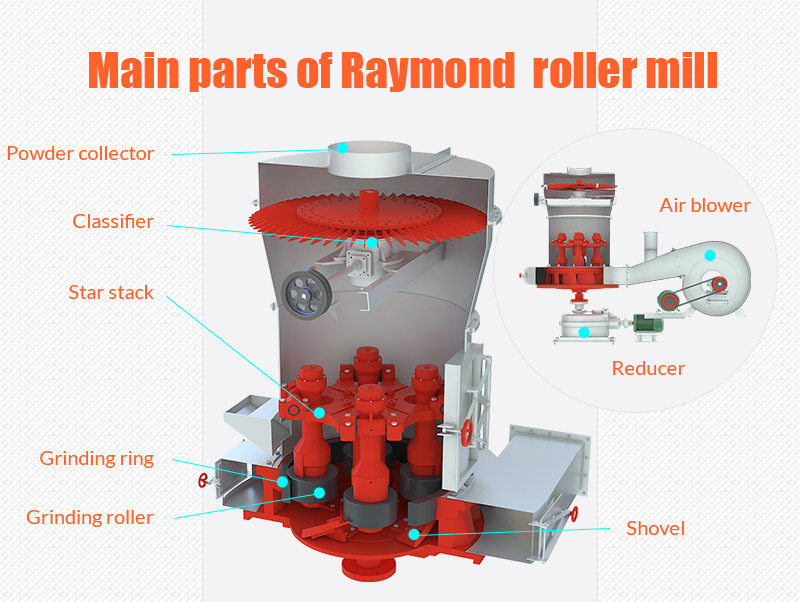
An air classifying mill integrates crushing and classification into a single unit. After raw materials enter the machine, high-speed impact rotors pulverize the feedstock. An internal fan drives airflow to carry crushed particles toward a fast-spinning classifying wheel.
The classifying wheel permits fine particles that meet target fineness to exit the machine, while coarser granules are thrown back into the crushing chamber for regrinding. This cycle repeats until all material reaches the required particle size.
Critical Note: Separate standalone classifiers exist on the market, which only sort particles without crushing capability. If your raw feed has large particle sizes and requires size reduction, ensure you order a complete integrated air classifying mill with grinding functions—not a standalone classifier. Otherwise, you will fail to achieve your production targets.
II. Three Core Indicators for Equipment Selection
1. Temperature Rise Control
High-speed impact crushing generates substantial frictional heat, causing rapid temperature spikes inside the grinding chamber. When processing heat-sensitive materials such as sugars, resins and coating powders, select models equipped with cooling air intake and water-cooled jacket structures. These prevent material caking and wall adhesion caused by overheating, safeguarding powder output efficiency and finished product quality.
2. Target Fineness (Cut Point)
Finished powder fineness is primarily adjusted via the rotational speed of the classifying wheel: higher rotor speed generates stronger centrifugal force, allowing only finer particles to pass through and yielding ultra-fine powder.
When sourcing equipment, clearly communicate your required D90 or D97 particle size specifications (e.g., “97% of particles shall be smaller than a certain micron value”). Manufacturers can then match corresponding rotational speed and air volume parameters for your process.
Conventional air classifying mills cannot stably produce powder finer than 5 μm. For ultra-fine requirements below this threshold, jet mills (fluidized bed jet pulverizers) are recommended instead.
3. Matched Air Circuit System
Air classifying mills rely entirely on airflow for material conveyance and cannot operate independently. The downstream induced draft fan and cyclone separator must be sized to match the mill’s processing capacity. Insufficient air volume leads to material buildup inside the grinding chamber and sharp production rate drops. Mismatched auxiliary air equipment will drastically limit the performance of an otherwise high-quality mill main unit.
III. Two Overlooked Details That Impact Long-Term Operation
Sealing Air Pressure Is Indispensable
Dust concentrations around high-speed rotor bearings remain extremely high during operation. All standard units adopt a stream of clean compressed air for bearing sealing protection, blocking fine powder from infiltrating and abrading mechanical components.
Fluctuating or unstable workshop compressed air pressure compromises sealing performance, accelerating bearing wear and shortening equipment service life over long runs. Prior to purchase, verify whether the machine is fitted with pressure monitoring and low-pressure interlock alarm functions.
Dehumidification Planning for Hygroscopic Materials
Certain raw materials (e.g., specific salts and plant extracts) readily absorb ambient moisture. Damp feedstock clogs the gaps between classifying wheel blades, obstructing airflow and triggering material blockages.
If your production involves highly hygroscopic materials, integrate an air intake dehumidification system during initial equipment selection—do not add it as a reactive fix after operational failures occur.
FAQ