
800 mesh corresponds to approximately 18 μm nominal particle size (US standard sieve), falling into the ultra-fine mineral powder category. It exceeds the maximum fineness limit of conventional Raymond mills (around 325 mesh), so dedicated ultra-fine grinding equipment is required. The optimal selection depends on material properties, required production capacity, fineness tolerance and total operating cost.
1. Main Equipment Options for 800 Mesh Powder Production
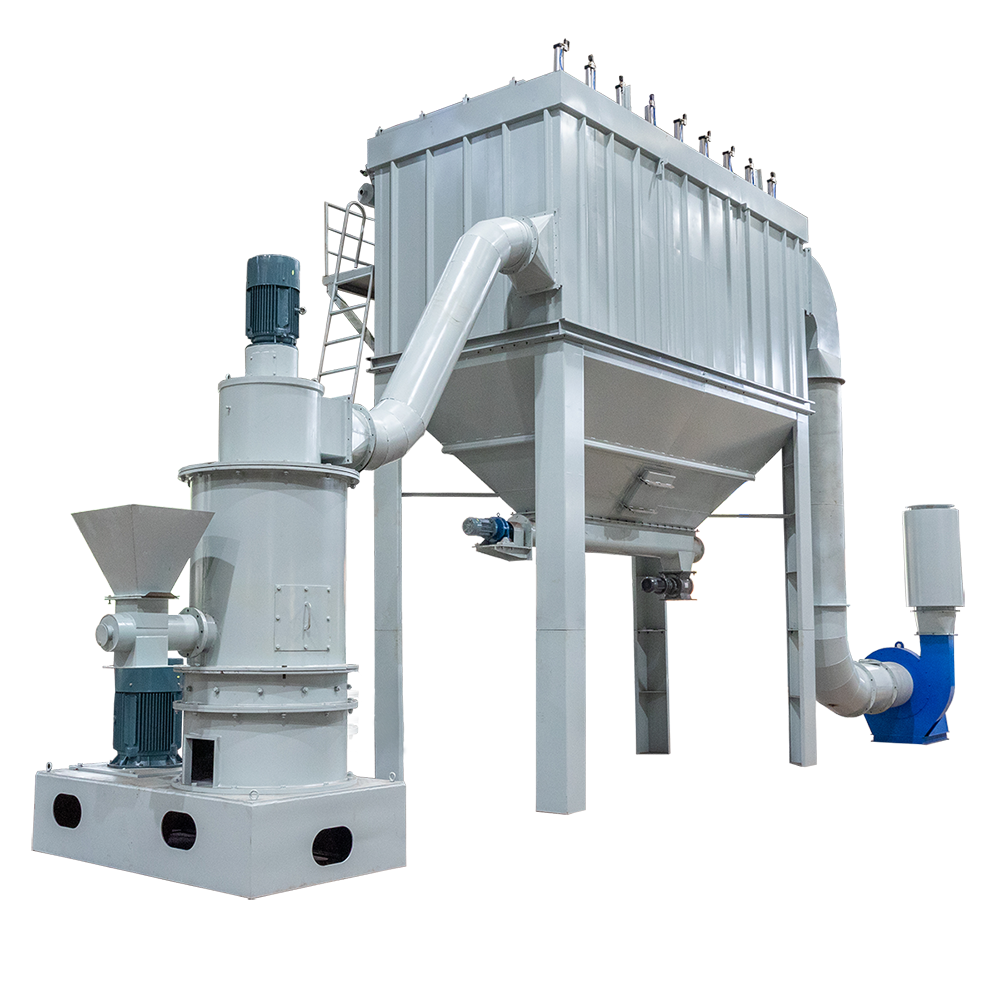
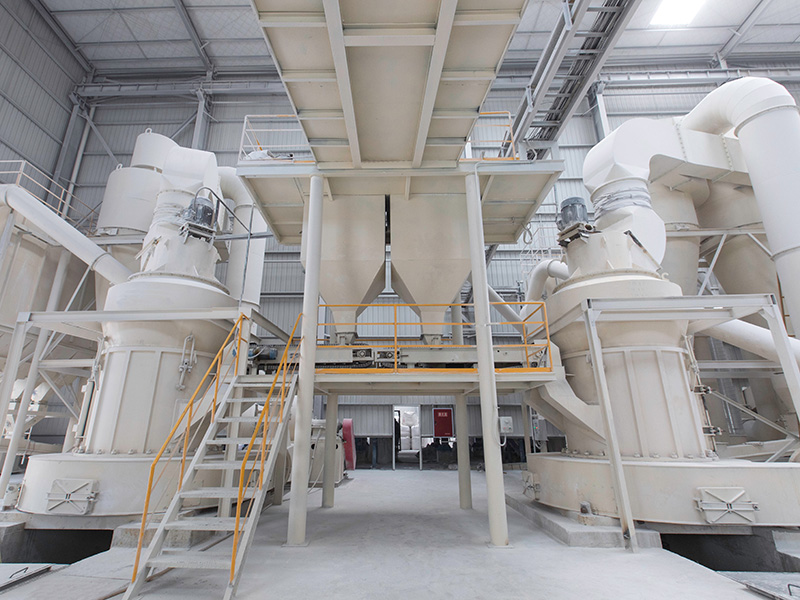
1.1 Ultrafine Ring Roller Mill (Top Recommendation for Non-Metallic Ores)
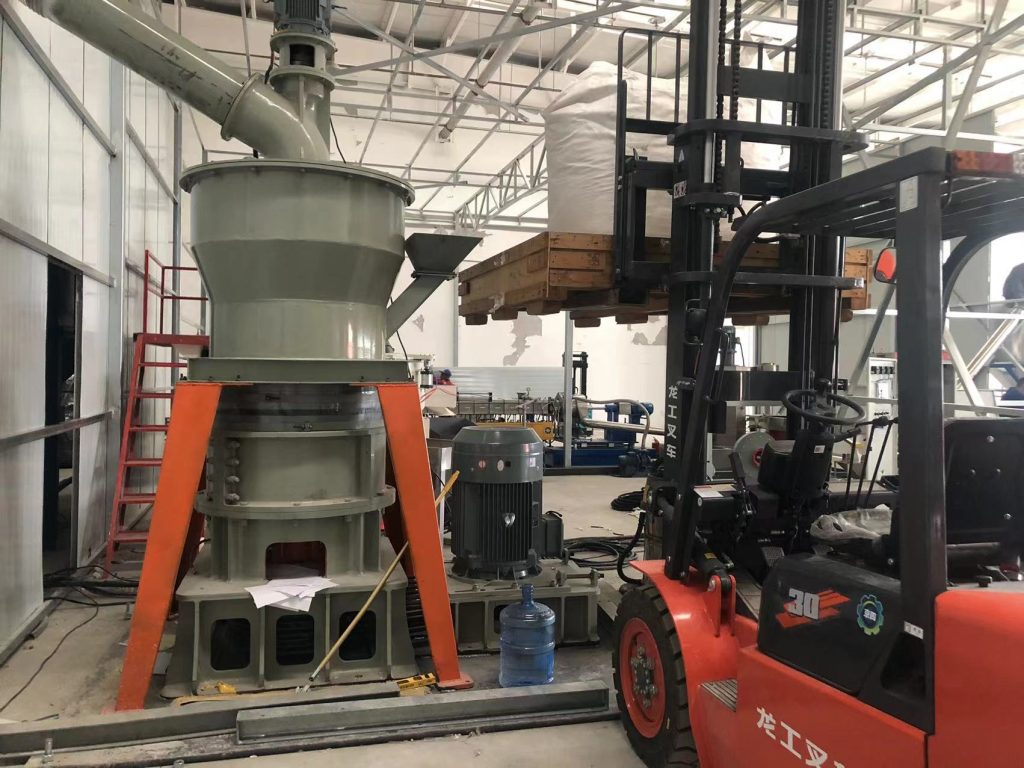
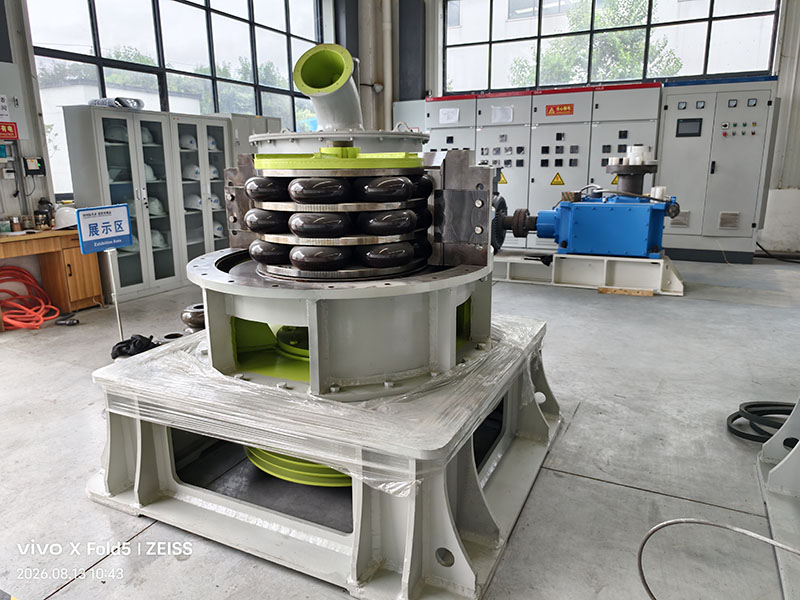
This is the most cost-effective and widely used solution for large-scale 800 mesh non-metallic ore powder manufacturing, covering the 325–2500 mesh fineness range.
- Core principle: Adopts multi-layer roller-ring grinding structure paired with a built-in high-precision variable-frequency turbo classifier. Fineness is steplessly adjusted by controlling the classifier rotation speed.
- Advantages:
- Delivers stable 800 mesh product with D95~D97 sieve passing rate
- 30~40% lower energy consumption than ball mill production lines with the same output
- Compact layout, small footprint, fully enclosed negative pressure operation with zero dust emission
- Compatible with most non-metallic ores (Mohs hardness ≤7, moisture ≤6%): limestone, calcite, talc, barite, kaolin, dolomite, etc.
- Limitations: Not recommended for ultra-hard materials (Mohs >7) or applications with ultra-high purity requirements.
1.2 Ball Mill + High-Precision Air Classifier
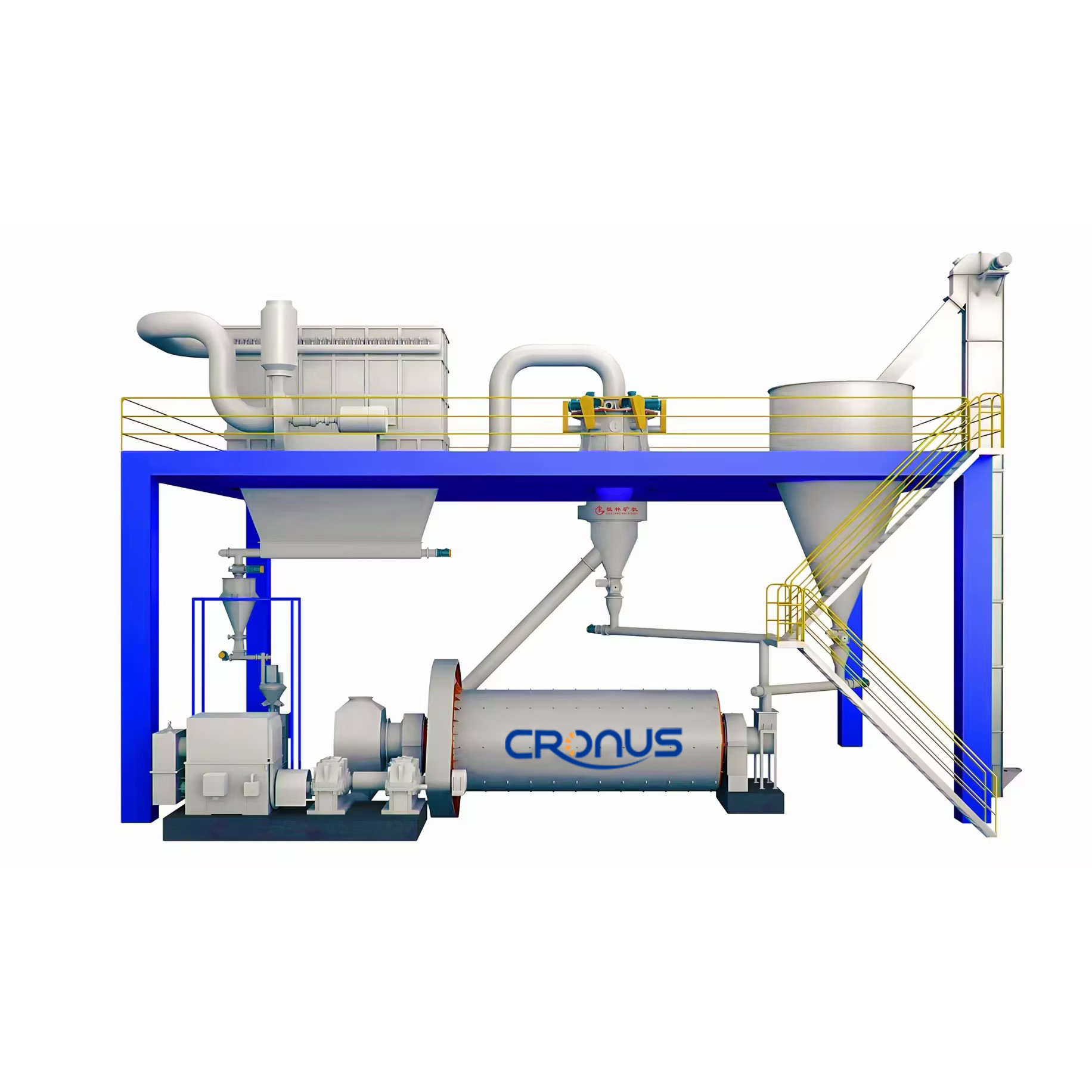
The traditional solution for grinding hard and abrasive materials.
- Advantages: Suitable for Mohs hardness 5~9 materials, high grinding ratio, robust structure and low wear cost for hard ores.
- Limitations: High energy consumption, large floor space requirement, high steel consumption, and wider particle size distribution compared to ring roller mills.
1.3 Vertical Roller Mill (Medium-Fine to Ultra-Fine)
Suitable for integrated drying and grinding of materials with higher moisture.
- Advantages: Combines drying, grinding and classification in one unit, handles feed moisture up to 15%.
- Limitations: Lower grading precision for 800 mesh, higher investment than ring roller mills for pure ultra-fine production.
1.4 Jet Mill (Air Flow Mill)
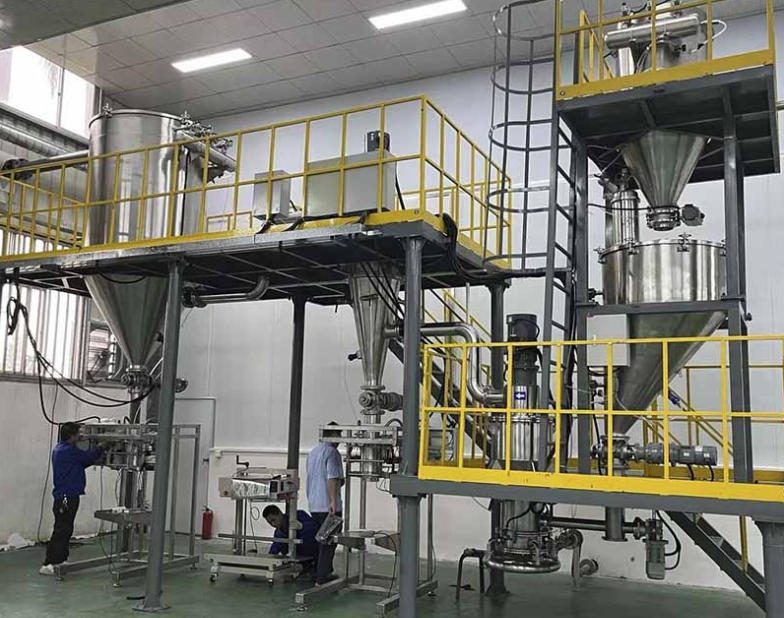
For small-batch, high-purity 800 mesh powder production.
- Advantages: Achieves extremely narrow particle size distribution, minimal product contamination, and high purity.
- Limitations: Very high capital and operating costs, low single-machine capacity. Only feasible for high-value materials (pharmaceutical, food, electronic-grade, advanced ceramics).
2. Key Selection Criteria
2.1 Raw Material Properties
- Mohs hardness:
- ≤7 → Prioritize ultrafine ring roller mill
- 7~9 → Choose ball mill + air classifier line
- High-purity soft materials → Jet mill
- Moisture content: Must be controlled below 6% for ring roller mills. For moisture 8–15%, choose vertical roller mill with drying function.
- Abrasiveness: Highly abrasive ores prefer ball mill systems for longer service life of wear parts.
2.2 Required Production Capacity
| Capacity Range | Recommended Equipment |
|---|---|
| 0.2 – 2 t/h | Small-size ultrafine ring roller mill |
| 2 – 10 t/h | Medium-size ultrafine ring roller mill (industry standard for 800 mesh commercial production) |
| > 10 t/h | Multiple ring roller mills or large ball mill classification line |
2.3 Fineness & Passing Rate Standard
Always confirm the required passing rate standard for 800 mesh:
- D90: Basic industrial grade
- D95: Industry standard for mineral fillers (most common)
- D97: High-end grade for premium coatings and plastics Higher passing rate requirements reduce actual output and increase energy consumption per ton.
2.4 Complete System Configuration
- Classifier: Must be equipped with a high-precision variable-frequency turbo classifier to guarantee stable 800 mesh grading accuracy.
- Collection system: Cyclone collector + pulse bag dust collector (total collection efficiency ≥99.5%).
- Air circuit: Closed negative pressure circulation system to prevent dust pollution and product loss.
3. Final Selection Recommendations
- For mass production of 800 mesh non-metallic ore powder (limestone, calcite, talc, barite): Ultrafine ring roller mill is the best choice, offering the optimal balance of investment cost, production efficiency, energy consumption and product quality.
- For 800 mesh production from hard ores (quartz, feldspar, corundum): Choose ball mill + high-efficiency air classifier combination.
- For high-moisture raw materials: Vertical roller mill with integrated drying function is more suitable.
- For small-batch, high-purity 800 mesh powder (food, pharmaceutical, electronic grade): Jet mill is the appropriate solution.