
Recently, we have received many inquiries from clients about how to select a grinding mill for 325-mesh stone powder. 325 mesh is a rather tricky fineness grade: it marks the upper fineness limit of a Raymond mill and the lower fineness limit of an ultrafine grinding mill.
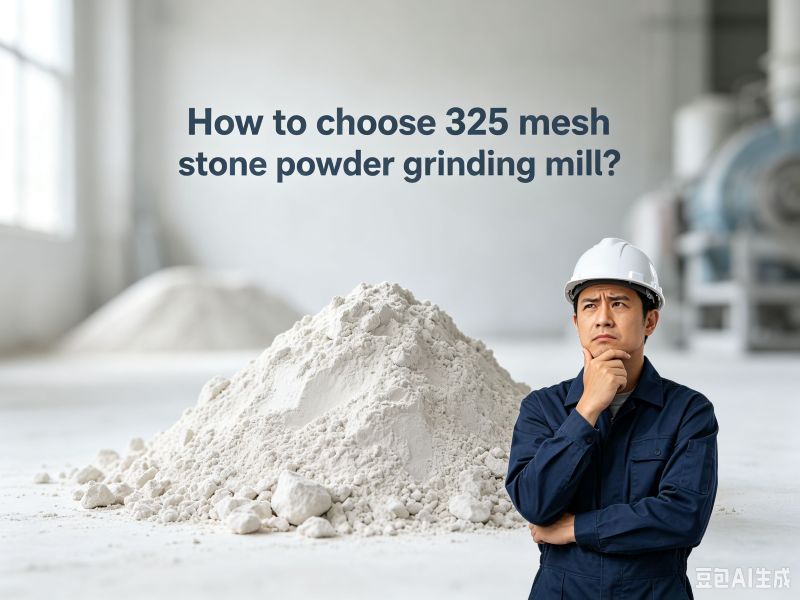
Choosing a Raymond mill means the equipment will operate at full load and at its absolute performance limit, while opting for a ring roller ultrafine mill will lead to unnecessary investment waste and underutilization of equipment capacity.
So, how should you properly select processing equipment for 325-mesh mineral powder? This is a big question.
As an engineer with 20 years of experience in the R&D and manufacturing of mineral grinding equipment, I find this question quite straightforward to address. Before diving into the answer, we first need to clarify three points: What are the upstream and downstream industries of mineral powder? What core demands do these industries have for mineral powder? And why is 325 mesh such a widely specified fineness grade?
Applications of 325-mesh mineral powder
325 mesh (approx. 45μm) is the most cost-effective general-purpose fineness grade in industrial mineral powder processing. It covers massive market demand and represents one of the highest-volume product specifications in the non-metallic powder industry. Key applications are as follows:
- Building & Construction: 325-mesh limestone, marble and calcite powder serve as core functional fillers for putty, dry mortar, tile adhesive and joint sealant, improving workability, water retention and adhesion. They also act as inert concrete admixtures to reduce cement consumption and hydration heat, and are basic raw materials for artificial stone and permeable bricks.
- Plastics & Rubber Industry: 325-mesh ground calcium carbonate (GCC), talc and dolomite powder are the standard specification for general-purpose fillers. Widely used in PVC pipes, PE/PP profiles, cables and rubber products, they cut raw material costs while improving dimensional stability, rigidity, heat resistance and surface finish. This fineness accounts for the largest shipment volume in the filler sector.
- Paints & Coatings: Used as extender pigments in interior latex paints, industrial primers and anti-corrosion coatings, 325-mesh mineral powder reduces consumption of expensive pigments like titanium dioxide, and enhances hiding power, abrasion resistance and anti-settling performance of paint films.
- Flue Gas Desulfurization (FGD): 325-mesh limestone powder is the standard reagent for limestone-gypsum FGD systems in coal-fired power plants and steel mills. It features moderate reaction activity and low grinding cost, delivering desulfurization efficiency over 90%, and represents one of the largest industrial applications for this fineness grade.
- Oil & Gas Drilling: 325-mesh barite powder acts as the primary weighting agent in drilling fluids, balancing downhole formation pressure and preventing blowouts during oil and gas exploration.
- Papermaking & Light Chemical Industry: Calcite and talc powder are used as paper fillers and coating pigments to improve brightness, opacity, and smoothness while saving wood pulp. Quartz, kaolin, and fluorite powder also serve ceramic, metallurgical flux, and sodium silicate production.
The 325-mesh mineral powder has a wide range of applications and is used in large quantities. That’s why many mineral powder factories produce 325-mesh mineral powder.
What equipment can process 325-mesh mineral powder?
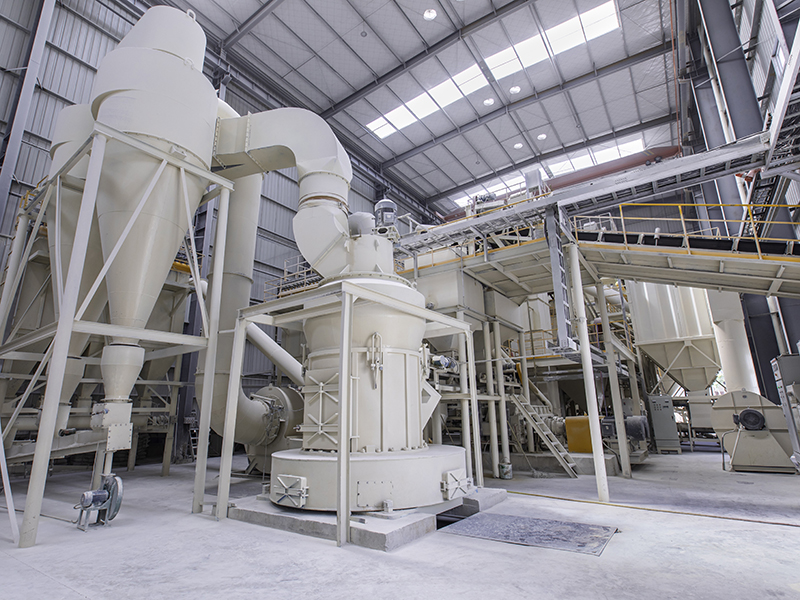
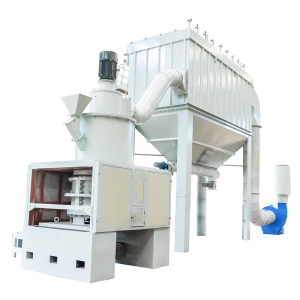
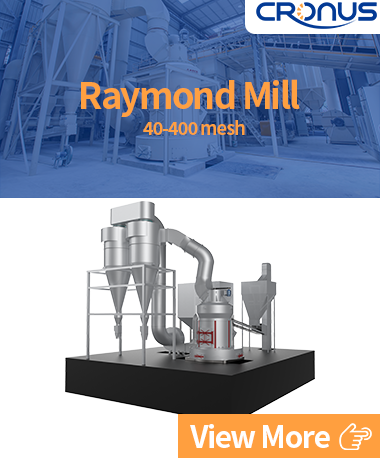
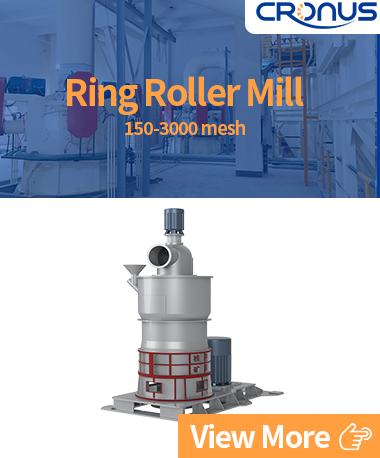
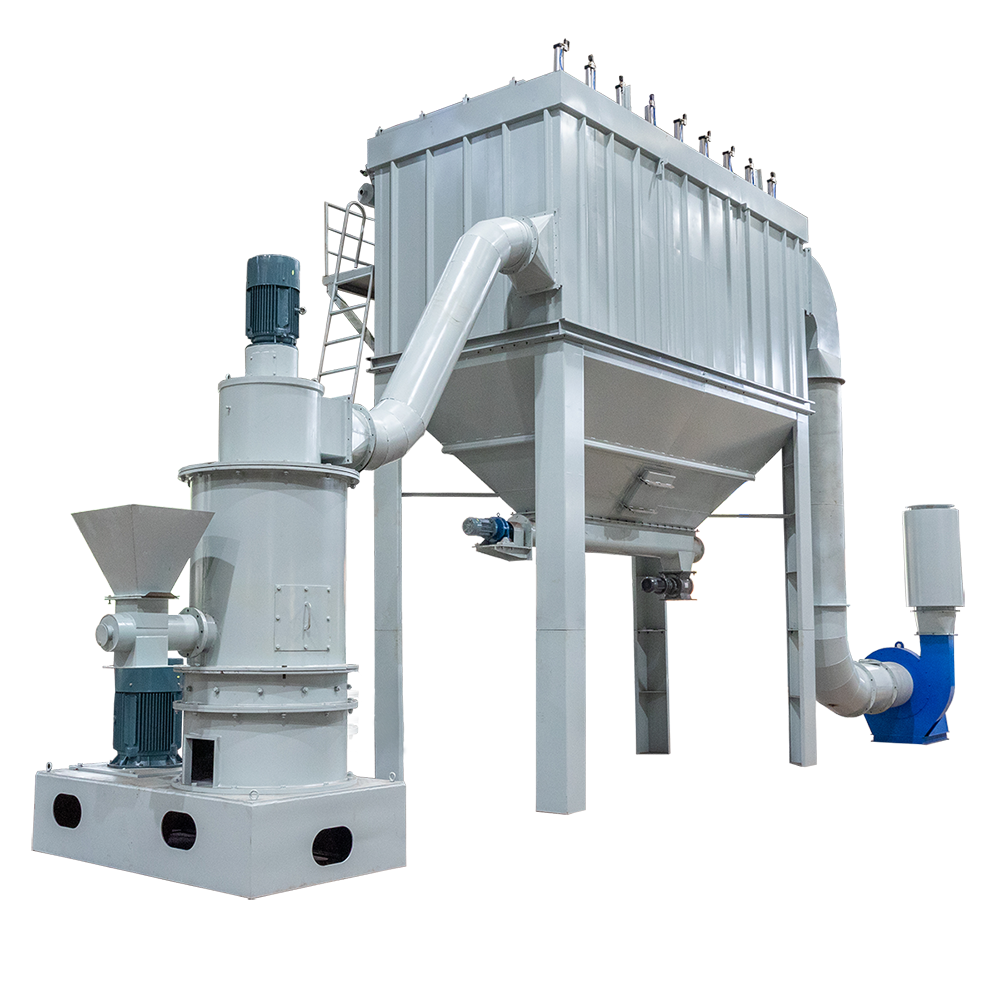
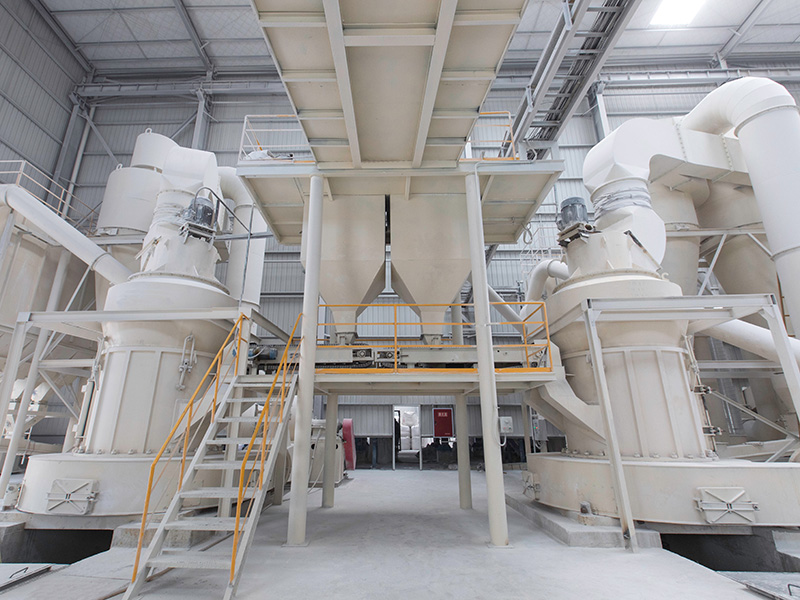
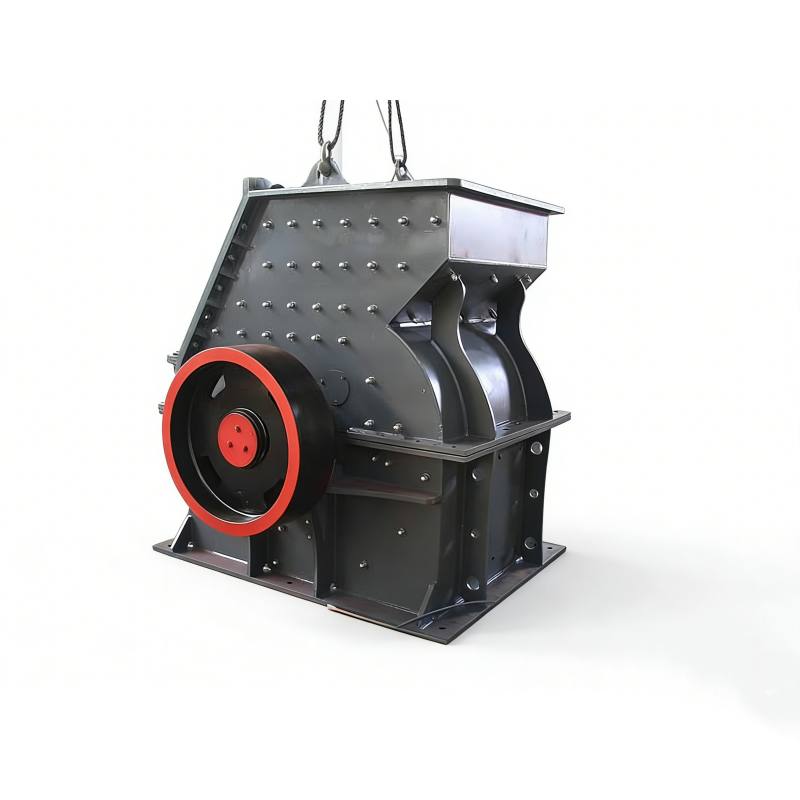
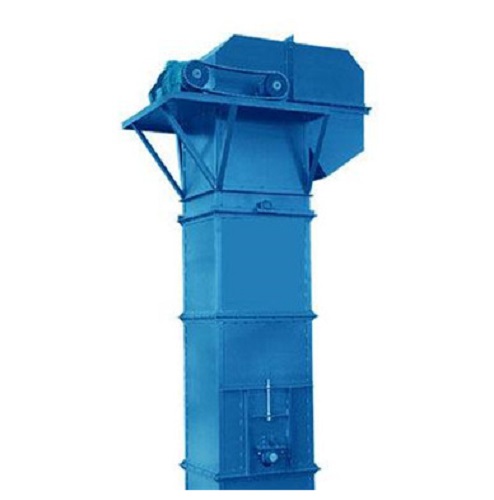
From the above picture, we can see that both the Raymond mill and the ultra-fine grinding machine can handle the production of 325-mesh stone powder. So, how should we make the choice?
This will depend on the needs of our future production activities. If we only produce the highest 325-mesh mineral powder in the future and the demand continues to be high, then there is absolutely no need for us to invest in building a production line for ultra-fine grinding machines. If in the future we decide to increase the fineness of the product, for instance, if there is a market demand for 1000-mesh or 1250-mesh mineral powder in the future, then we will definitely have to choose an ultra-fine grinding machine.
What are the advantages of choosing the Raymond mill?
- The fineness range that the Raymond mill can process is from 40 to 400 microns, which is sufficient to meet the requirements of most mineral powder fineness.
- The production technology of the Raymond mill is highly mature, with numerous manufacturers and stable products.
- Compared with ultra-fine grinding machines, the investment cost of the Raymond mill is lower and it is easier to recover the investment.
What are the advantages of choosing the ultrafine grinding mill?
- Ultra-fine grinding offers finer processing, and the fineness can be adjusted from 325 mesh to 3000 mesh.
- For customers who aim to improve the fineness of their finished stone powder in the future, an ultra-fine grinding machine is indispensable.
- The ultra-fine grinding machine is more intelligent and the PLC control is more convenient.
Based on the above description, I believe you have now understood how to choose between a Raymond mill and an ultra-fine grinding machine.