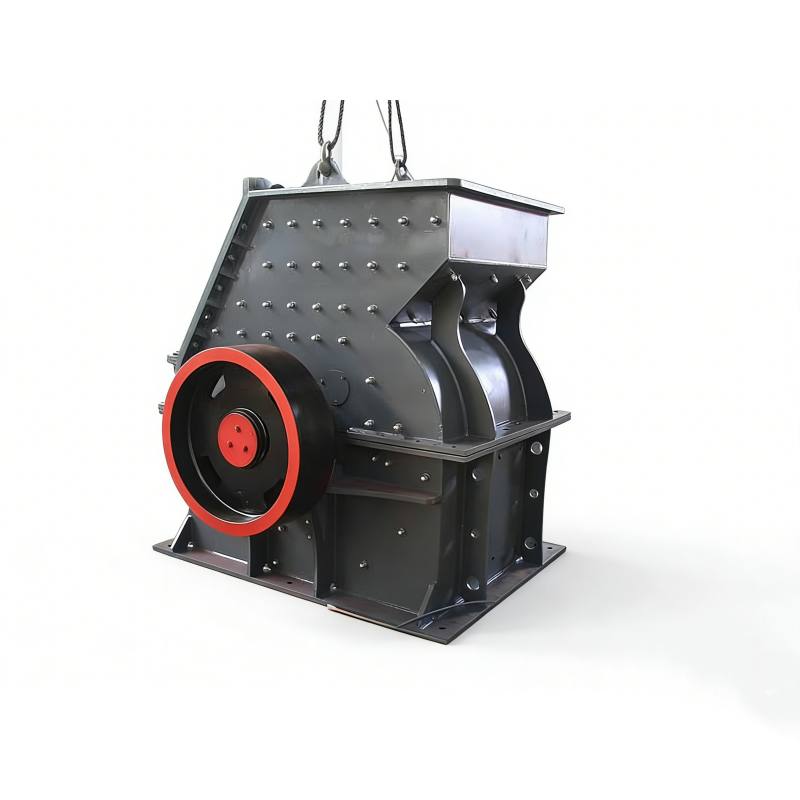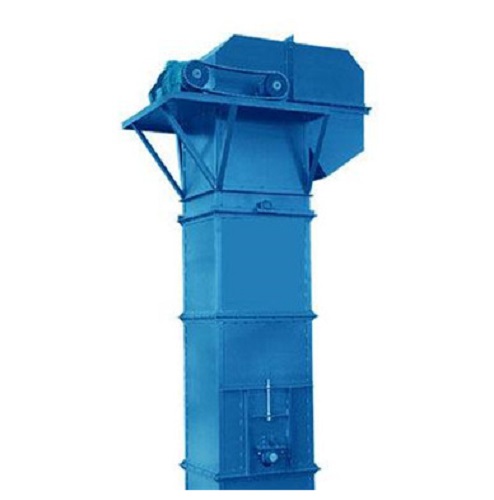

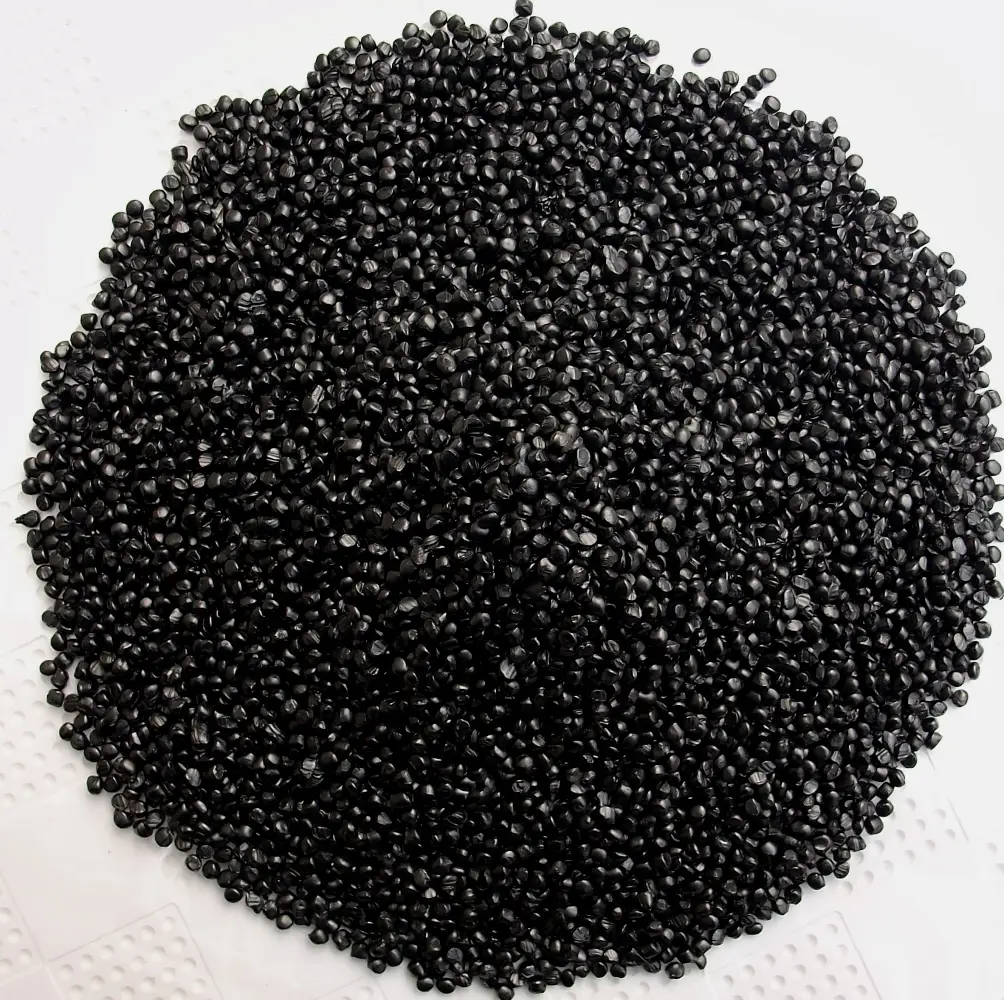
As a fine carbon-based material, carbon black is widely utilized in the manufacture of tire rubber, plastic masterbatches, inks and coatings, and high-performance battery materials. During production and recycling—such as in the pyrolysis of waste tires—the ability to process agglomerated carbon black into a uniform, fine powder is critical to enhancing product performance. Thanks to its high-frequency impact capabilities, the hammer mill has emerged as a core piece of equipment in the carbon black refining process.
The Unique Challenges of Carbon Black Materials
Carbon black differs significantly from brittle ores such as limestone. It possesses a low bulk density, is prone to dust generation, and exhibits slight electrical conductivity. During the crushing process, conventional processing equipment often faces two vexing issues:
Dust Leakage: If not properly sealed, extremely fine carbon black particles can rapidly contaminate the workshop environment.
Static Agglomeration: Friction generated during the crushing process can create static electricity, causing the already pulverized fine powder to re-agglomerate.
The Operating Principle of the Hammer Mill
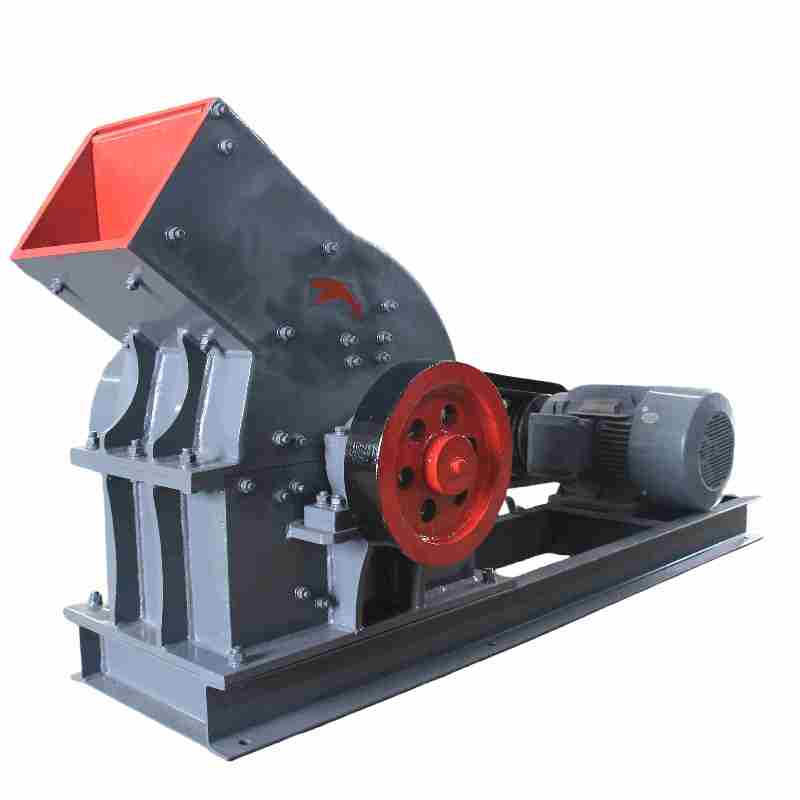
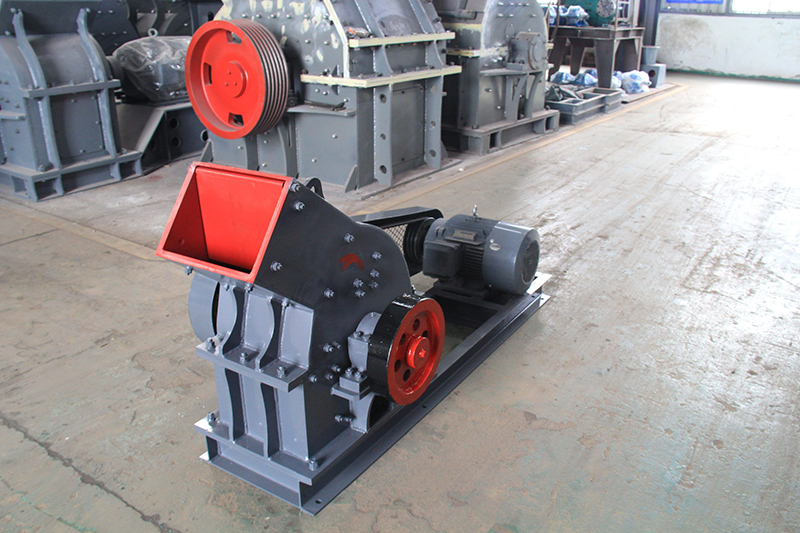
Once carbon black enters the crushing chamber, the high-speed rotation of the hammer blades drives the material to form a rapidly swirling layer.
Instantaneous Impact: The high linear velocity at the tips of the hammer heads—typically far exceeding that used for crushing ordinary ores—is utilized to instantly shatter agglomerated lumps.
Shearing and Friction: Within the narrow gap between the edges of the hammer blades and the chamber liners, carbon black aggregates are subjected to intense shearing forces, ensuring that the particles are restored to their original, primary structure.
Controlled Screening: The screen located at the bottom of the chamber serves as the final gate for controlling the finished product’s particle size. Only carbon black powder that has been fully de-agglomerated and meets the specified mesh size requirements can pass through the screen apertures; any material that fails to meet these standards remains within the chamber for further processing.
Key Technical Considerations in Equipment Selection
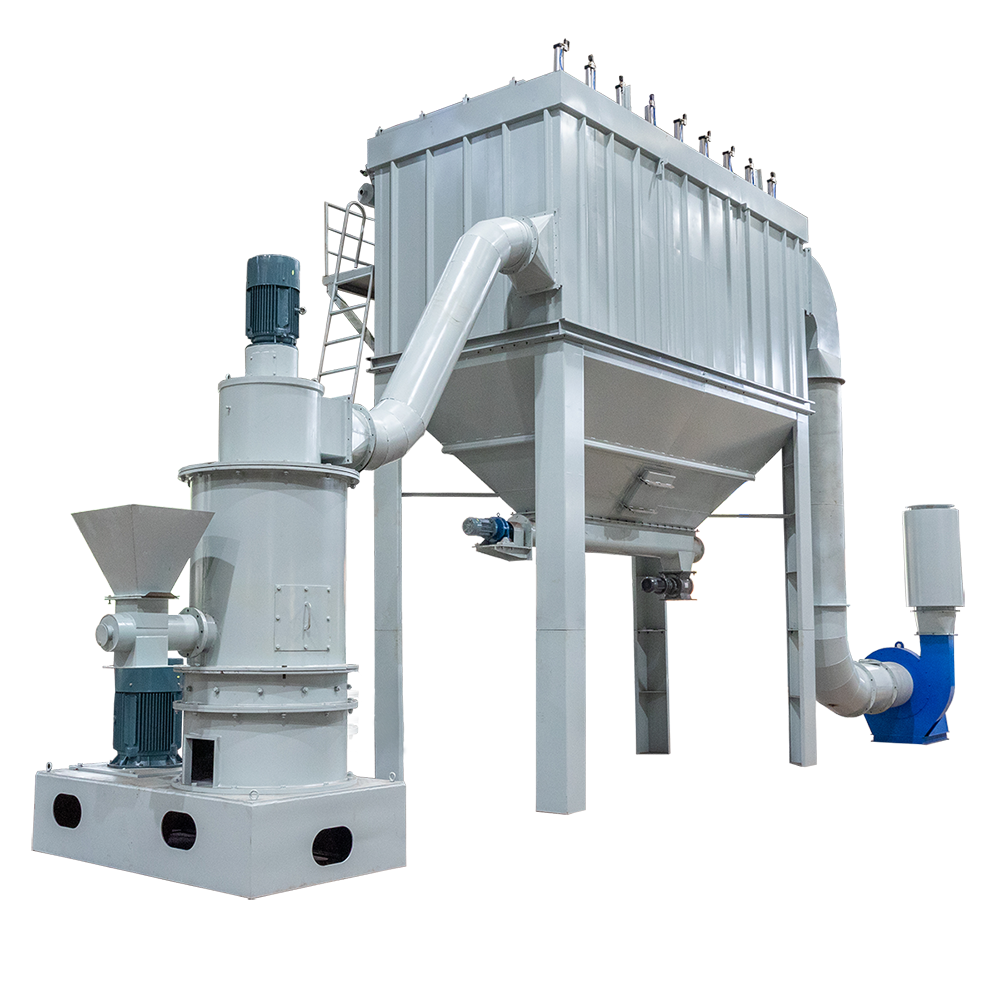
High-performance hammer mills typically incorporate a negative-pressure system design. Through suction generated by a pulse dust collector, a slight negative pressure is maintained within the crushing chamber. This not only resolves the issue of dust escape but also allows the airflow to carry away heat generated during processing, thereby preventing the carbon black from degrading due to localized overheating.
Selection of Hammer Head Materials
Although carbon black itself possesses extremely low hardness, the processing of pyrolysis carbon black (rCB) often involves raw materials containing trace amounts of metallic impurities or inorganic fillers. Hammerheads featuring surfacing welds of tungsten carbide or high-chromium alloy effectively extend continuous production cycles and reduce the frequency of maintenance-related downtime.
Controllability of Particle Size Distribution
By adjusting the rotor speed and utilizing screens with varying mesh sizes (e.g., 0.5 mm or smaller), the production line offers the flexibility to yield finished products that meet diverse industry standards (such as the N220 and N330 series).
Why is this essential for a carbon black production line?
Compared to ball mills or vertical mills, the primary advantages of hammer crushers in the carbon black sector lie in their superior energy efficiency and lower maintenance costs.
Enhanced Dispersibility: When carbon black processed by this equipment enters a mixer, it disperses more uniformly among the polymer molecules.
Reduced Production Costs: The equipment features a simple structural design, and its ratio of power consumption to production capacity is superior to that of most fine-grinding machinery.
Conclusion
Given the unique physical properties of carbon black, selecting a hammer crusher that combines excellent sealing capabilities with high linear velocity constitutes a pivotal step toward enhancing product added value. Whether processing virgin carbon black or pyrolysis-recovered carbon black, maintaining the optimal balance between impact intensity and airflow temperature control is essential for ensuring consistent product quality amidst fierce market competition.