
Heavy calcium carbonate (GCC) is one of the most widely used inorganic fillers in industries including plastics, coatings, papermaking, rubber and feed. The Raymond mill (suspension roller mill) has long been the core equipment for domestic and foreign GCC processing plants due to its simple structure, low investment and controllable maintenance costs. However, most purchasers ignore the matching relationship among feed particle size, finished product fineness and production capacity during model selection, resulting in failure to achieve the expected output after equipment procurement. Combined with practical engineering configuration experience, this article clarifies the selection logic of GCC Raymond mill production lines.
Core Requirements of GCC for Grinding Equipment
Different from ordinary mineral powder processing, heavy calcium carbonate processing has the following rigid technical indicators:
Finished Product Fineness: According to downstream application scenarios, the common fineness ranges from 80 mesh (coating grade) to 800 mesh and even 1250 mesh (high-end plastic masterbatch and paper coating grade).
Whiteness Maintenance: Iron contamination is prohibited during the grinding process. Therefore, the material and processing technology of wearing parts such as grinding rollers and grinding rings are critical.
Output Stability: Procurement is generally priced by ton per hour, so the actual throughput of the equipment must be consistent with the quotation parameters.
This is why selecting equipment merely by model is prone to errors. For the same type of Raymond mill, the actual output varies by 20%~30% when processing different raw ores such as calcite, limestone and marble.
Selection Guide: Raymond Mill vs. Ultrafine Ring Roller Mill vs. Vertical Roller Mill
| Equipment Type | Applicable Fineness Range | Single Machine Capacity | Applicable Scenarios |
|---|---|---|---|
| Raymond Mill (Suspension Roller Mill) | 80–425 mesh | 1–20 t/h | Small and medium-sized GCC plants, limited budget, medium fineness requirements |
| Ultrafine Ring Roller Mill | 300–3000 mesh | 0.5–10 t/h | High-value ultrafine GCC, coating grade and plastic masterbatch grade products |
| Vertical Roller Mill | 80–600 mesh | 5–80 t/h | Large-scale production lines, integrated requirements of drying, grinding and classification |
Simple Selection Principles: For finished products above 400 mesh with strict requirements on energy consumption and whiteness, prioritize ultrafine ring roller mills. For large-scale projects with an annual output of over 100,000 tons, vertical roller mills show prominent advantages in integrated processing. For small and medium-sized plants with flexible multi-product switching production, Raymond mills deliver the highest cost performance.
Complete Equipment Configuration of GCC Raymond Mill Production Line
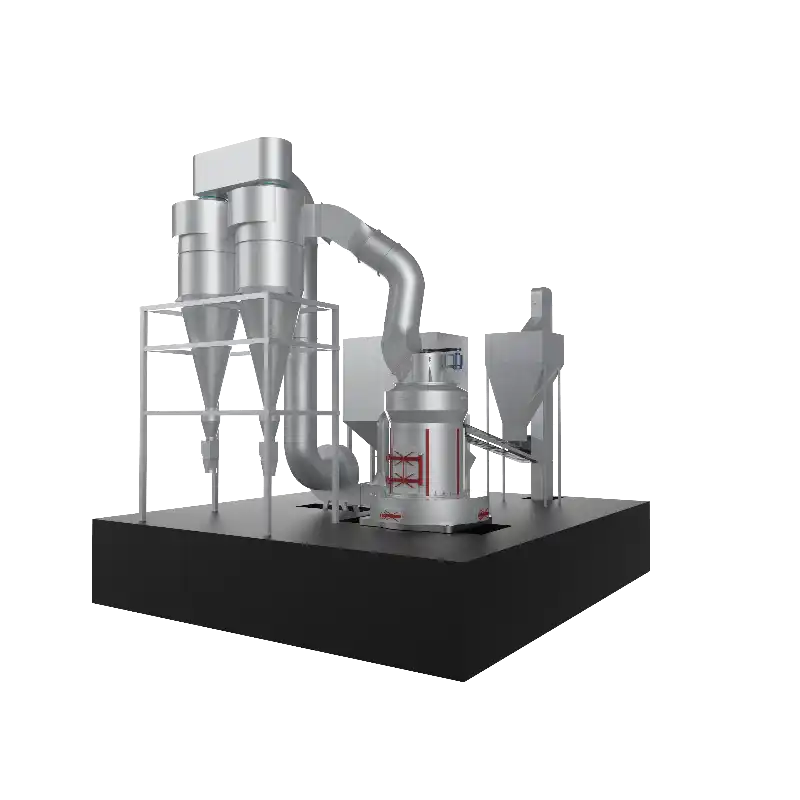
Many customers mistakenly believe that a single Raymond mill host is sufficient for production. In fact, a complete production line consists of the following equipment:
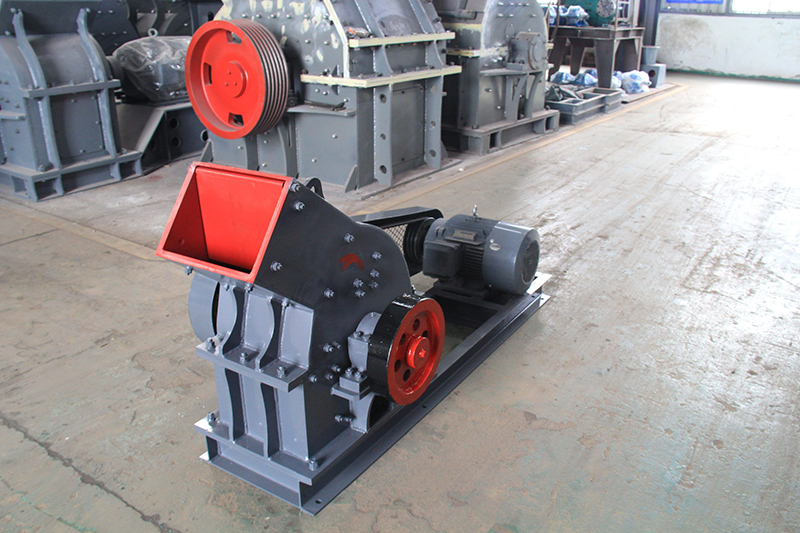
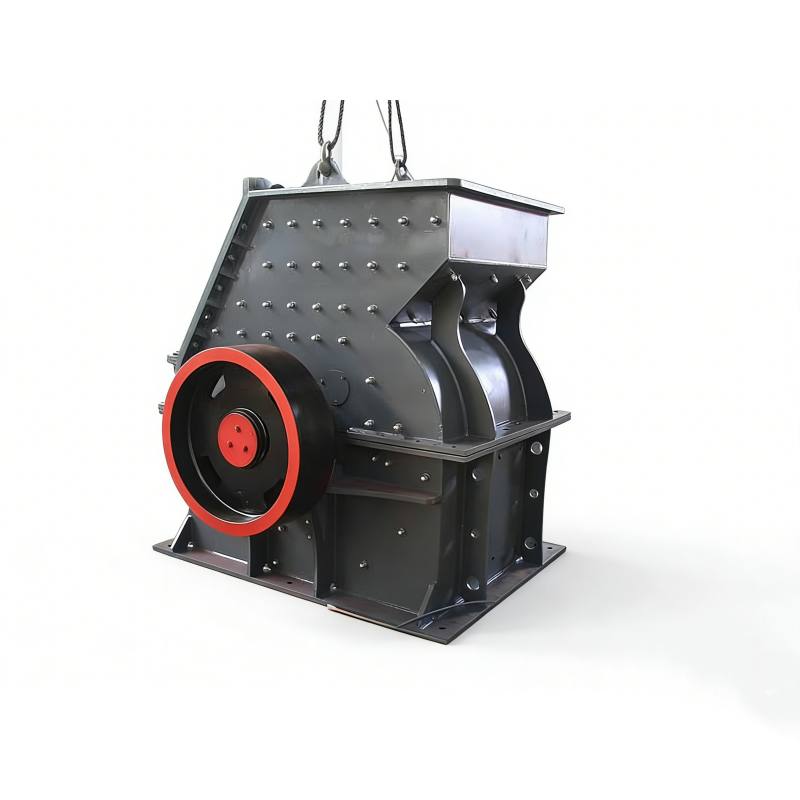
Jaw Crusher —— Coarsely crushes raw ore to below 25mm
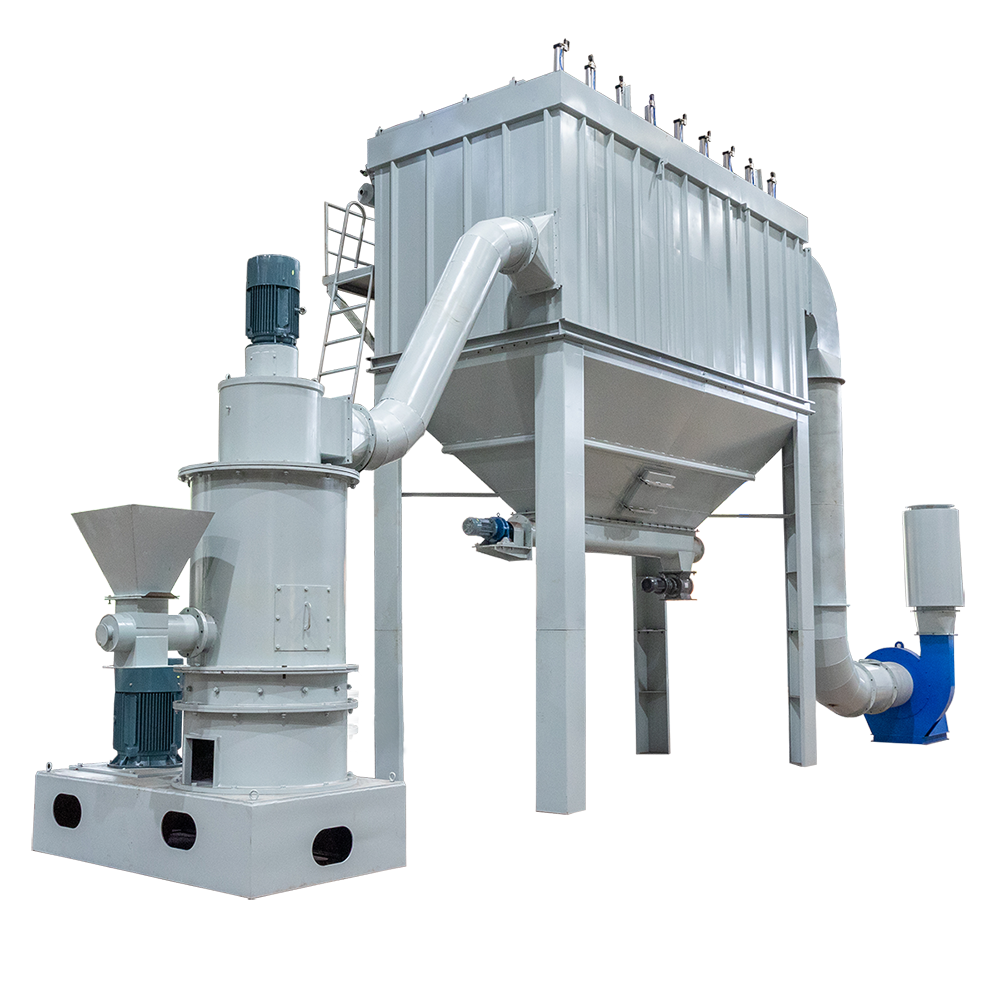
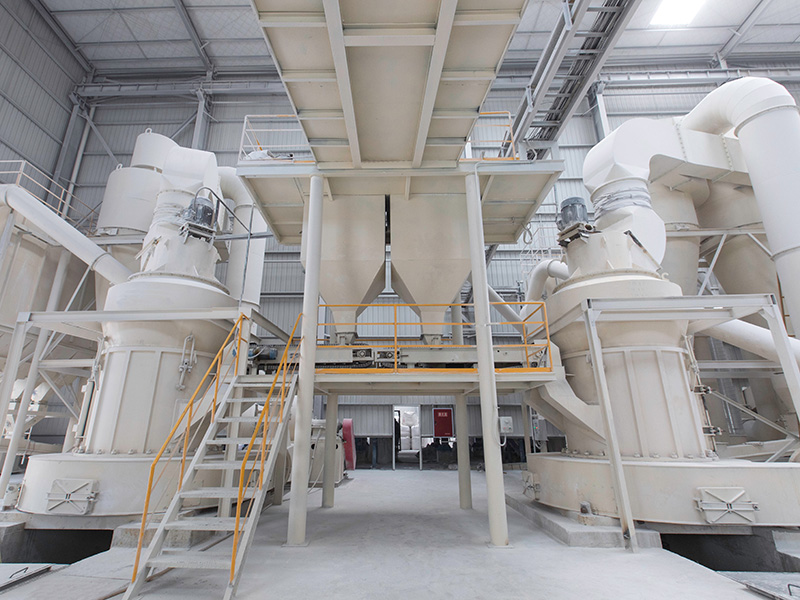
Raymond Mill Host —— Core grinding equipment
Classifier (Powder Separator) —— Controls finished product fineness and returns unqualified coarse powder for regrinding
Cyclone Collector + Pulse Dust Remover —— Collects finished powder and ensures environmental compliance
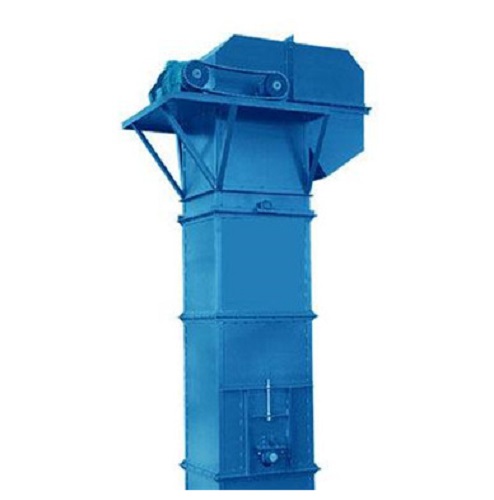
Elevator, Feeder and Conveying Equipment —— Connects and transports materials
Fan System —— Provides negative/positive pressure wind power for material circulation
Complete and standardized configuration directly determines the stability of finished product fineness and workshop dust emission compliance, which is often ignored by low-cost quotation schemes.
Reference Production Capacity Data
| Raw Material Particle Size | Finished Product Fineness | Reference Single Machine Capacity |
|---|---|---|
| ≤25mm | 100–200 mesh | 3–8 t/h |
| ≤25mm | 200–325 mesh | 2–6 t/h |
| ≤20mm | 325–425 mesh | 1–4 t/h |
(The actual capacity varies with ore hardness, raw material moisture content and equipment condition. It is recommended to conduct material testing with actual raw ores before final confirmation.)
Pre-selection Preparation Information
Preparing the following information before consulting manufacturers for quotations can ensure accurate quotes and avoid subsequent disputes over insufficient production capacity:
Type of raw ore (calcite/limestone/marble, etc.) and Mohs hardness
Moisture content of raw ore
Required finished product fineness (mesh size) and hourly/daily output target
On-site power supply voltage, site area, and requirements for dust removal and environmental protection supporting facilities
Conclusion
The selection of a GCC Raymond mill production line is essentially a balance among fineness, production capacity and budget. If you are evaluating a customized production capacity solution, please provide raw ore samples and output requirements. Based on over 50 years of professional experience in powder grinding and classification technology, we will provide practical configuration suggestions and targeted quotations tailored to your actual working conditions.