
Bauxite is the core raw material for producing alumina, refractory materials, high-alumina cement and other products. Unlike aluminum ash processing, which focuses on recovery and purification, bauxite processing has a clear goal: grinding natural ores of varying hardness into fine powder ranging from 200 mesh to 2500 mesh to meet the particle size requirements of downstream industries.
At present, the most mainstream and technically mature bauxite grinding solutions are mainly between two options: Raymond mill and vertical roller mill. Both can complete powder grinding, but they differ greatly in working principle, application scenarios and overall economic benefits. Understanding their respective characteristics is the key to making the best choice for your project.
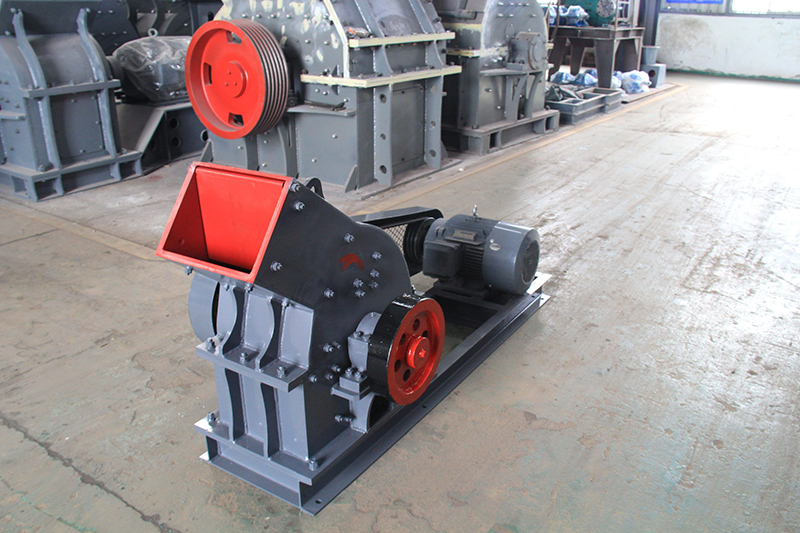
Raymond Mill: Cost-Effective Entry Option
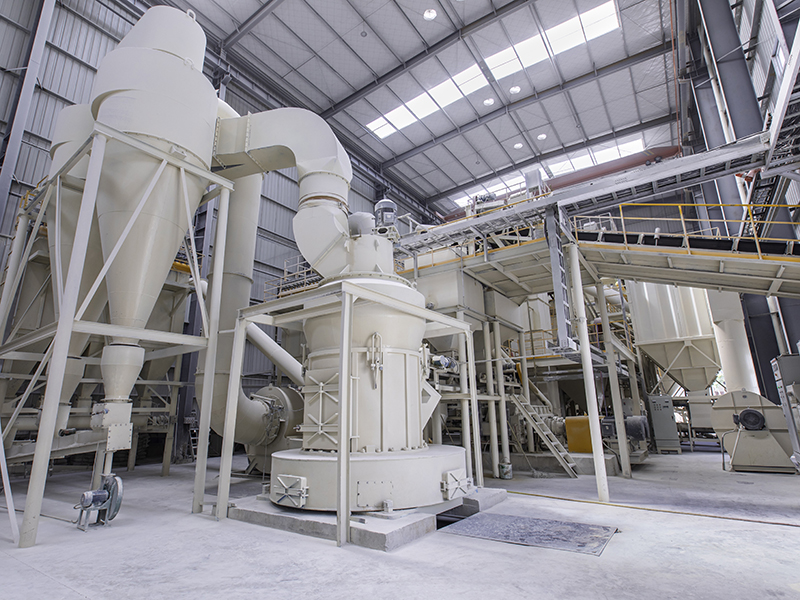
For small and medium-sized enterprises newly entering the refractory and ceramic industries, the Raymond mill is the top choice. Its biggest advantage can be summed up in four words: high cost performance.
The Raymond mill features relatively low overall equipment cost, highly mature technology and easy daily maintenance, with abundant professional technicians available for after-sales repair. In terms of fineness, it can stably produce bauxite powder of 80 mesh to 400 mesh, fully meeting most conventional industrial demands such as refractory bricks, castables and ceramic blanks. Compared with traditional ball mills, it reduces power consumption by around 30%, bringing considerable long-term electricity cost savings for processing plants in continuous operation.
Nevertheless, it has certain limitations. The Raymond mill is mainly designed for powder grinding and has strict requirements on incoming materials: raw materials need to be pre-dried to low moisture content, and feed particle size should generally be controlled below 30 mm. If the raw bauxite delivered from the mine is wet and in large lumps, additional crushers and dryers must be equipped in the front-end process.
In short, if you are a new investor with an annual output of tens of thousands to over 100,000 tons and a required fineness within 400 mesh, the Raymond mill is an ideal solution for quick project launch and fast capital return.
Vertical Roller Mill: High-Efficiency Integrated Long-Term Option
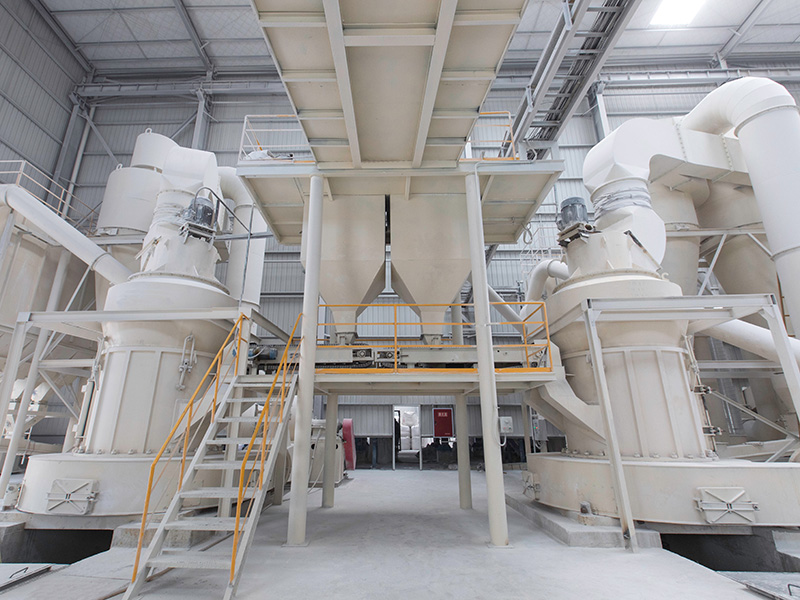
When the project scale reaches an annual output of hundreds of thousands of tons, or you need to process high-moisture bauxite and produce ultra-fine powder, the advantages of the vertical roller mill become prominent. It can be regarded as an all-in-one workstation integrating crushing, grinding, drying and classification functions.
First of all, its built-in drying function is a major highlight. Even if the moisture content of bauxite raw materials is as high as 15%, the vertical mill can dry materials with hot air during the grinding process, eliminating the need for independent dryers and reducing extra investment and energy consumption. Secondly, it delivers extremely high grinding efficiency, saving another 30% to 40% energy compared with Raymond mills. For large production lines running more than ten hours a day, the long-term electricity savings can well offset its higher initial equipment investment.
In terms of finished fineness, the vertical mill covers a wider range from 80 mesh to 2500 mesh. It is the preferred option if you plan to produce high-value ultra-fine powder such as 1200 mesh or even 2500 mesh products. From an environmental perspective, it is matched with a high-efficiency pulse dust collector, achieving a dust collection rate of over 99.8% and realizing nearly dust-free factory operation.
To put it simply, if your project is positioned for large capacity, high efficiency, wet material processing or ultra-fine powder production, the vertical roller mill is a worthwhile investment — slightly higher in initial cost but more economical and hassle-free in the long run.
What Does a Complete Bauxite Grinding Production Line Look Like?
No matter which grinding mill you choose, a stably operating production line requires front-end pretreatment and subsequent dust collection. The complete production line generally consists of four parts:
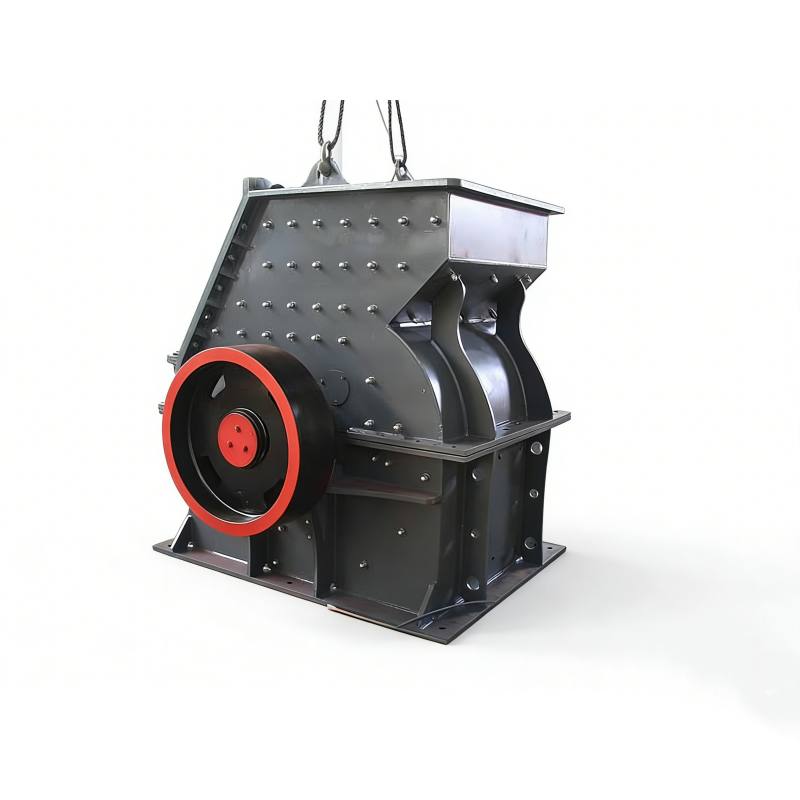
CrushingLarge raw bauxite from the mine is first coarsely crushed by a jaw crusher into small lumps below 30 to 50 mm, which can be smoothly fed into the grinding mill.
FeedingCrushed materials are stored in the silo, then evenly and quantitatively sent into the mill inlet by an electromagnetic vibrating feeder. This ensures the mill runs at optimal load all the time, avoiding efficiency loss and unstable product quality caused by uneven feeding.
Core GrindingThis is the working stage of your selected Raymond mill or vertical roller mill. Materials are crushed and ground into powder under the rolling and grinding action between grinding rollers and the grinding ring/grinding plate.
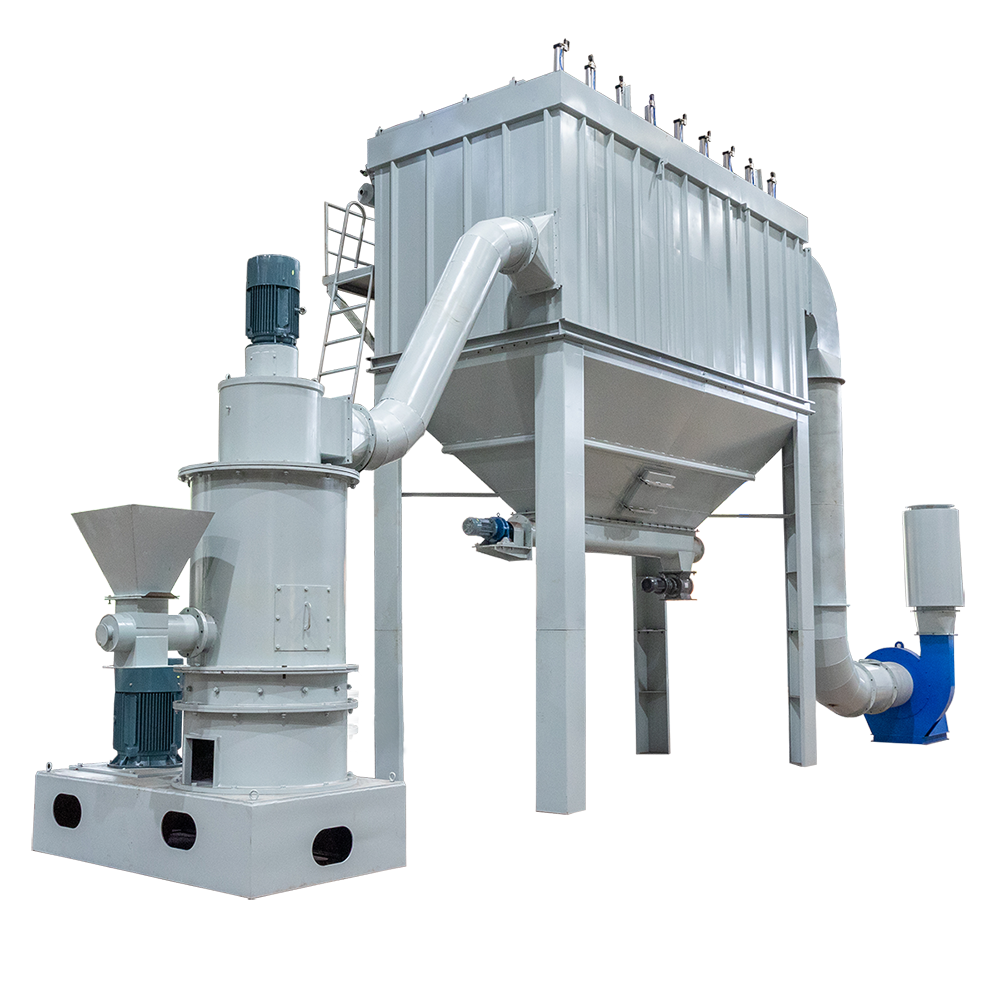
Classification and CollectionGround powder is carried upward by airflow to the classifier. Qualified fine powder passes through, while coarse particles return to the grinding chamber for regrinding. Finally, qualified finished powder is separated and collected by the pulse dust collector, and clean air is discharged into the atmosphere, realizing a fully clean and dust-free production process.
Summary
The selection of a bauxite grinding mill mainly depends on your production scale, raw material conditions and fineness requirements.
For new projects, conventional fineness within 400 mesh and small annual output: Raymond mill is sufficient.
For large capacity, high raw material moisture, or ultra-fine powder demand: vertical roller mill is a more far-sighted and economical investment.
Once you clarify your hourly output (such as 5 tons or 20 tons per hour) and required finished mesh size, you can lock in the specific equipment model. Manufacturers can then provide you with a detailed selection report, process flow drawings and accurate investment budget.