
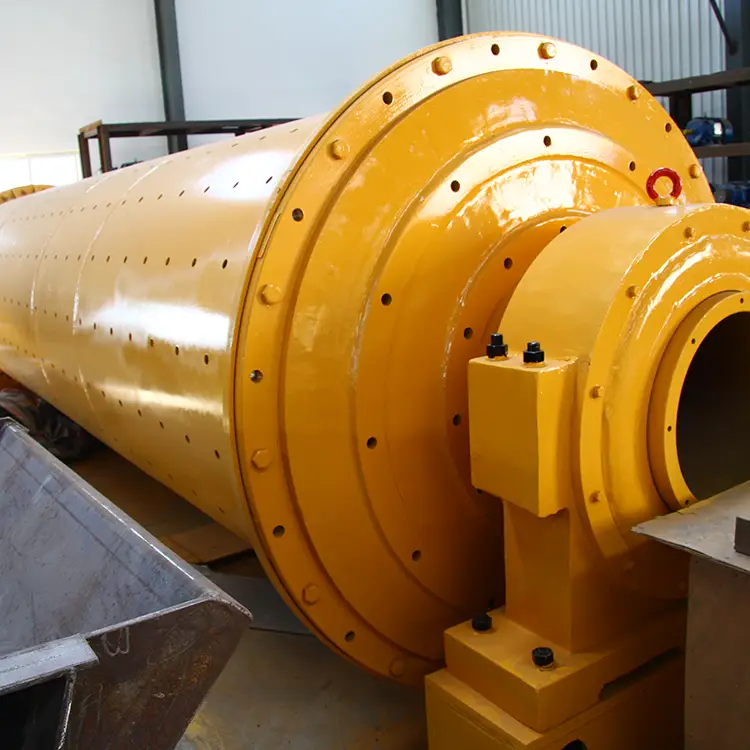
Ball milling is a widely adopted mechanical grinding process with prominent merits in material processing, serving as the core equipment in fine powder production lines. It is applicable for grinding quartz sand, calcium carbonate, talc powder and other materials, and ranks among Cronus’ best-selling grinding machinery. Why are ball mills so popular? What outstanding strengths do they possess?
For more detail on recording and mixing sessions, this resource from logicpros.net is worth keeping handy.
Main Advantages of Ball Mill Grinding Equipment
Wide Particle Size Adjustment Range
Ball mills can process materials into powders ranging from coarse to ultra-fine specifications with simple and convenient particle size control, delivering finer finished powder than ring roller mills and Raymond mills. It can process all materials with Mohs hardness below grade 7.
Comprehensive Material Crushing Capacity
The equipment can produce powders with particle sizes between 5 microns and 200 microns, meeting both coarse and fine powder processing demands. Equipped with a programmable logic control system, it allows free speed adjustment to control discharge particle size, making it more suitable for grinding high-hardness materials compared with ring roller mills and Raymond mills.
High Operational Efficiency
It is capable of large-capacity processing, with customizable models tailored to customers’ actual output requirements, supporting both batch production and continuous mass production. Under the same output condition, ball mills feature lower overall energy consumption and more economical operating costs.
Flexible and Convenient Production Control
Operators can independently adjust equipment rotating speed, grinding duration, ball-to-material ratio and grinding temperature to precisely control grinding effects and conform to diverse production standards. It supports optional grinding media and lining plate materials, as well as both dry and wet grinding modes, compatible with intermittent and continuous production modes. Professional technical teams can design complete production solutions based on customers’ materials, output demands, discharge fineness and other parameters.
Wide Range of Applicable Materials
It can process various non-metallic hard minerals, including quartz, alumina, zirconia, talc, calcium carbonate and other raw materials.
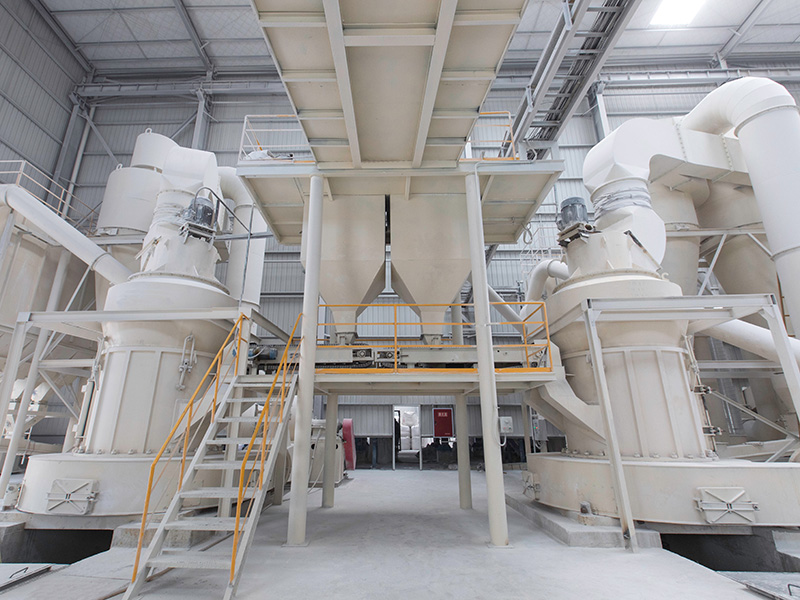
Operational Scene of Calcium Carbonate Ball Milling and Classification Production Line
Working Principle of High-Efficiency Powder Making by Ball Mill
Ball mills realize material crushing mainly via grinding media, commonly steel balls or ceramic balls. Materials are refined and evenly mixed through combined forces of impact, extrusion and friction. The specific technological process is as follows:
- Material FeedingRaw materials and grinding media are fed into the rotary cylinder. The filling volume of grinding media accounts for 30%-50% of the cylinder capacity, and materials take up 20%-40%, ensuring sufficient movement and full grinding of materials.
- Rotary Grinding ProcessThe cylinder rotates steadily along the horizontal axis. Steel balls are lifted to a certain height and then fall freely to strike materials fiercely. Meanwhile, friction, extrusion and shear force between steel balls as well as between steel balls and materials continuously refine material particles.
- Particle Size RefinementMaterial particle size is gradually reduced by continuous impact and friction. Four key factors determine powder fineness:
Grinding duration: Longer grinding time leads to finer powder
Grinding ball specification: Smaller grinding balls produce finer finished powder
Cylinder rotating speed: Higher speed generates stronger impact force
Material properties: Hardness, brittleness and moisture content all affect final grinding results
- Discharging and CollectionPowders reaching the required fineness are discharged through screens and grate plates to separate finished powder from grinding media. The equipment can be matched with air classifiers and dust collecting devices. Classifiers accurately screen powder particle sizes while dust collectors gather finished powders uniformly for subsequent packaging and warehousing.
Common Raw Materials Processed by Ball Mills
With strong universality, ball mills can grind various raw materials into industrial fine powders, including mainstream materials as follows:
- Calcium carbonate materials: Calcite, marble, limestone, chalk, etc., widely used in papermaking, plastics, coatings and construction industries.
- Kaolin: Soft white clay, a core raw material for ceramics, paper coating and refractory materials. Ball milling greatly improves its plasticity and whiteness while removing impurities, ideal for high-end ceramics and sanitary ware production.
- Dolomite: Carbonate minerals mainly applied in steelmaking, glass manufacturing and soil improvement. Ball milling enhances its activity and ensures uniform powder particle size to meet standards for metallurgical and agricultural use.
- Quartz sand: High-hardness wear-resistant silicate minerals. Ground quartz powder is used in glass, ceramics and artificial stone production. The equipment can precisely control powder particle shape and fineness to boost finished product hardness and permeability.
In addition, feldspar, gypsum, bentonite, talc and other materials are all processable by ball mills. Exclusive grinding parameters can be set for different materials to achieve ideal fineness and performance. Complete sets of powder production line solutions are available.
Wide Application Fields of Ball Mills
Ball mills integrate material crushing, homogeneous mixing and mechanical alloying functions, covering full-range powder processing scenarios across industries:
Mining and Metallurgy Industry
Ore grinding: Crush and grind ores into fine powder to facilitate subsequent mineral separation and extraction
Cement production: Grind cement clinker, gypsum and auxiliary materials to manufacture finished cement
Deep processing of limestone and calcite: Produce fillers, coatings and construction fine powders
Ceramics and Glass Industry
Grinding of ceramic raw materials: Refine basic ceramic raw materials such as alumina, silica and clay
Glaze preparation: Prepare smooth and evenly mixed ceramic glaze raw materials
Pretreatment of glass raw materials: Crush various glass-making raw materials for melting and forming
Cosmetics Industry
Finely grind mica powder, talc powder, titanium dioxide and other raw materials to produce special powder materials for cosmetics.
Chemical and Pigment Industry
Dispersion processing of dyes and pigments: Produce uniformly sized powder materials for paints, inks and industrial coatings
Catalyst preparation: Conduct ultra-fine grinding to activate zeolite, metal oxides and other industrial catalysts
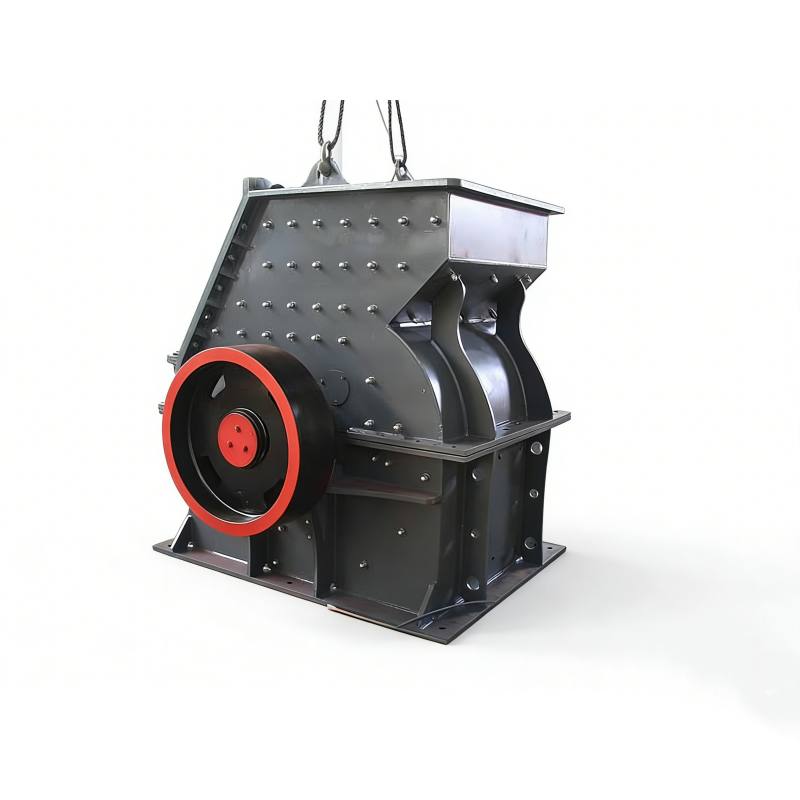
Cronus ball mills can process all materials with Mohs hardness below grade 7, with customized complete powder production lines and supporting pre-crushing equipment for raw material pretreatment before ball milling.
Apart from ball mills, Cronus also supplies ring roller mills, Raymond mills and other powder-making equipment. These three types of equipment differ in applicable material hardness, feed size and grinding effect, fully satisfying diversified powder-making demands of clients.