
Project Overview
| Project Location | Indonesia |
| Processed Material | Calcium Carbonate |
| Designed Annual Capacity | 60,000 tons |
| Finished Product Fineness | 45 microns (325 mesh) |
| Equipment Installation Period | 2025 |
| Main Unit Model | CRRM2500 Raymond Mill |
Project Background
The client is a diversified multinational group headquartered in Indonesia with abundant mineral resources. To increase the added value of mineral resources, the group introduced this complete calcium carbonate grinding production line between 2024 and 2025.
The designed hourly capacity of the whole line ranges from 20 to 25 tons, and raw ore can be ground to a fineness of 45 microns. The finished products are mainly supplied to the local cement industry, with part exported to high-end markets.
Main Equipment and Technological Process
1. Feeding and Conveying
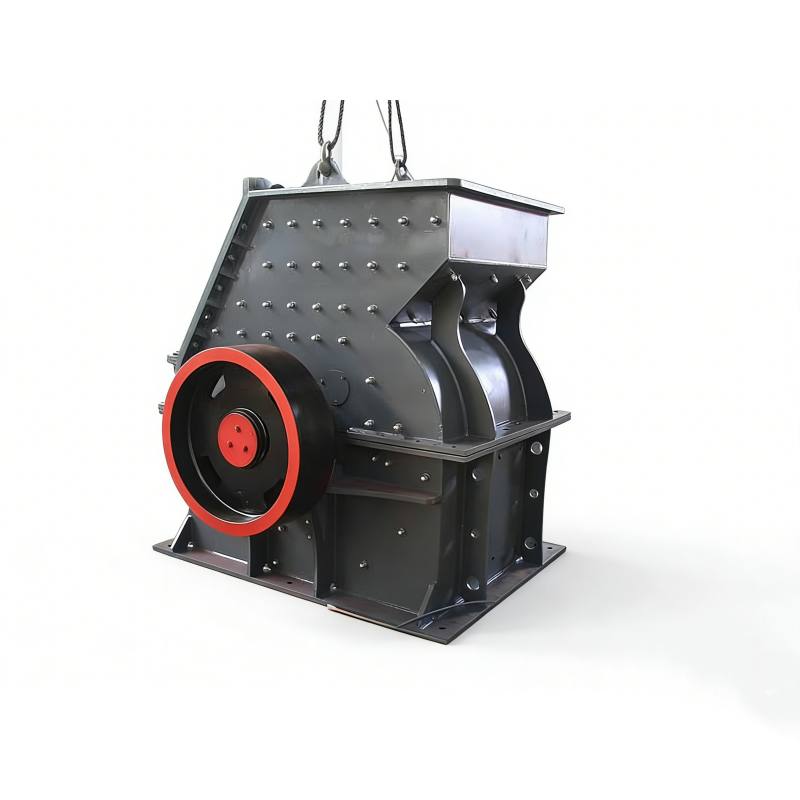
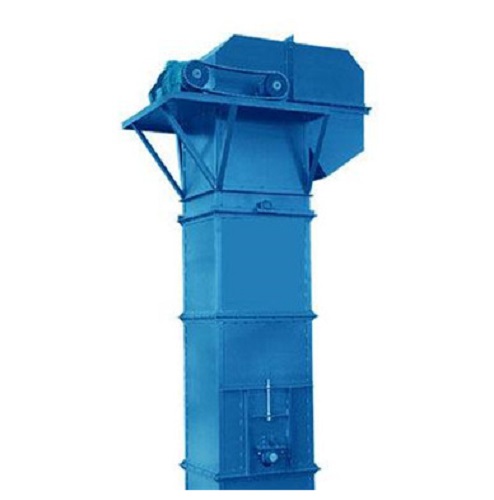
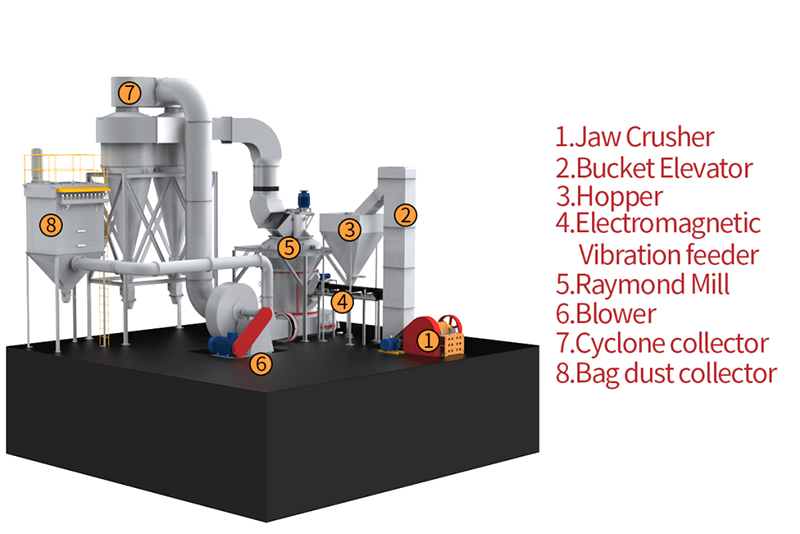
Raw ore is crushed to below 20 millimeters by a jaw crusher, then delivered to the storage silo via a bucket elevator. A variable-frequency vibrating feeder ensures uniform and continuous feeding to the mill, which effectively stabilizes the material bed thickness inside the mill and prevents motor overload caused by uneven feeding.
2. Main Unit of Raymond Mill
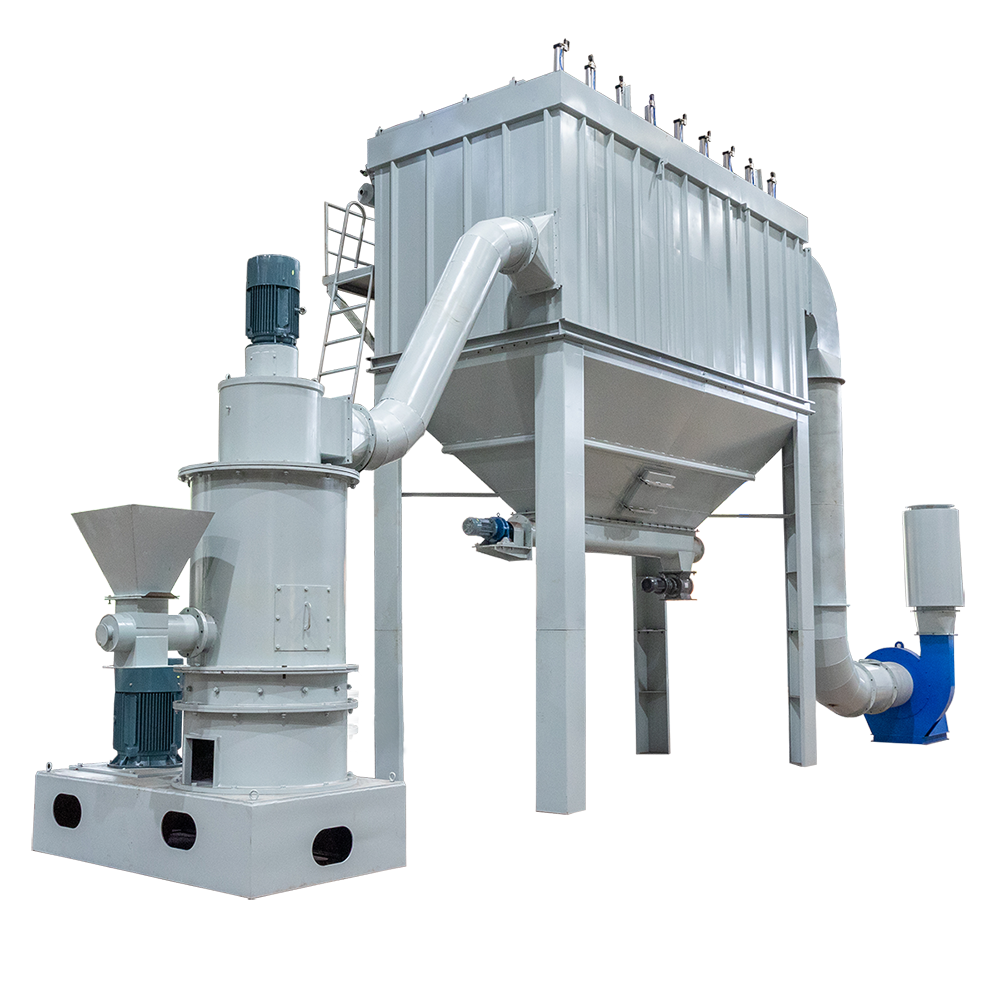
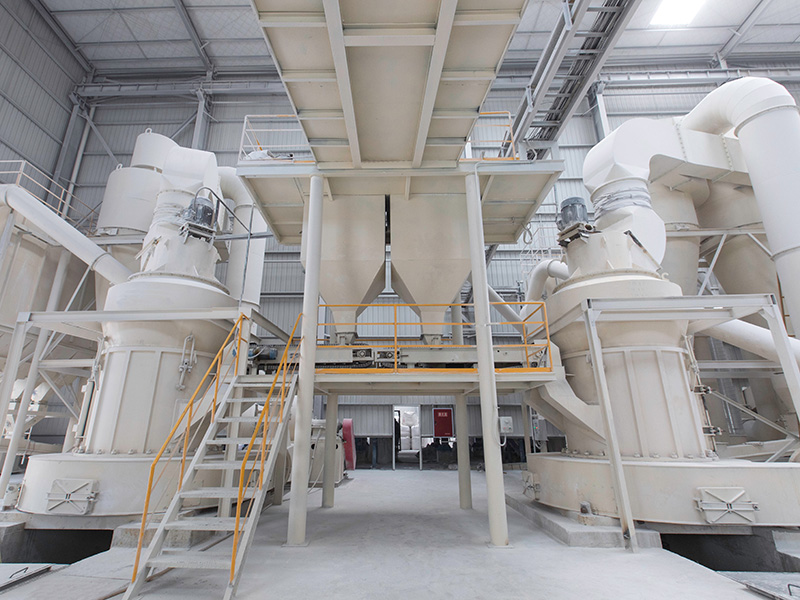
The CRRM2500 main unit adopts a pendulum grinding structure. As the main shaft rotates, the grinding rollers are thrown out by centrifugal force and pressed tightly against the inner wall of the grinding ring. The material scooping blades continuously lift materials and send them into the gap between grinding rollers and the grinding ring, where materials are pulverized through extrusion and shearing force.
3. Variable-Frequency Classifier
The classifier is mounted on the top of the main unit, and its rotating speed is adjustable via a frequency converter. The centrifugal airflow generated by high-speed rotation classifies powder materials. Fine powder moves inward with the airflow to the material collection system, while coarse particles are thrown back to the grinding area for reprocessing. By adjusting the rotating speed, the product fineness can be flexibly adjusted within the range of 80 mesh to 400 mesh.
4. Pulse Bag Dust Collector
It features a cabinet-type structure and is equipped with high-quality filter bags. The entire system operates under negative pressure with no dust leakage. After finished powder enters the dust collector along with the airflow, it is intercepted and collected by filter bags, achieving a powder recovery rate of over 99.9%. This not only complies with local environmental emission standards but also minimizes powder loss.
5. High-Pressure Fan
The fan provides circulating airflow power for the system and creates negative pressure inside pipelines to convey powder from the mill to the dust collector. Fitted with a silencing device, it reduces equipment noise, maintains stable air flow, and supports long-term continuous operation of the production line.
6. PLC Intelligent Control System
Operators can view key operational parameters in real time on the control cabinet, including vibration value, motor current, operating temperature and system negative pressure. The system is equipped with automatic fault alarm and emergency shutdown functions, which reduces manual intervention and ensures consistent product quality.
Technical Communication and Contract Signing
Prior to contract signing, representatives of the Indonesian client paid an on-site visit to inspect the manufacturing quality and assembly technology of the CRRM2500 equipment. Both parties conducted multiple rounds of in-depth technical discussions based on the client’s plant layout, capacity requirements and finished product indicators, and finally formulated customized equipment configuration and workshop layout solutions for this project.
The client recognized the actual performance of the equipment and the customized solution. The cooperation contract was signed on the spot, establishing a long-term cooperative partnership.
On-site Installation and Commissioning
After the equipment arrived at the client’s plant, professional technical engineers stayed on-site throughout the process to guide the assembly and wiring of the complete CRRM2500 production line in accordance with the customized layout plan.
During the commissioning phase, engineers repeatedly adjusted the rotating speed of the classifier, air volume of the fan and feeding rate. The finished product fineness was stably controlled at 45 microns, and the output reached the designed standard, fully meeting the material demand of the client’s local cement production. The production line was successfully put into operation, marking the full completion of equipment delivery.